Lots of folks figure that if their skin feels soft right after they put on a moisturizer, then it’s automatically “healthy” too. That part might feel true , because hydration does make things look nicer and feel better in the moment. But really, it’s only one piece of the whole resilient-skin puzzle. A moisturizer for skin barrier can replenish moisture and at the same time help support the skin’s natural protective layer. Still, not every moisturizer is made for that job, some are more about surface comfort. If you know the difference between just moisturizing and then genuinely strengthening the barrier, you can put together a routine that supports long‑term skin wellbeing, not just that quick little relief.
If you’re dealing with dry patches, or the skin runs a little oily, plus sensitivity now and then, your skin barrier is still doing its own little job, around the clock, sort of calmly shielding you from environmental stressors, preventing too much water loss, and keeping everything in a steadier state. But when that barrier gets weakened, then even the best moisturizers kind of struggle to give that ongoing, lasting comfort you want. So figuring out how these two things, barrier health and moisture support, are different is kinda like, the first step for choosing the right products and routines that genuinely work for your skin.
Why Your Skin Barrier Matters More Than You Think

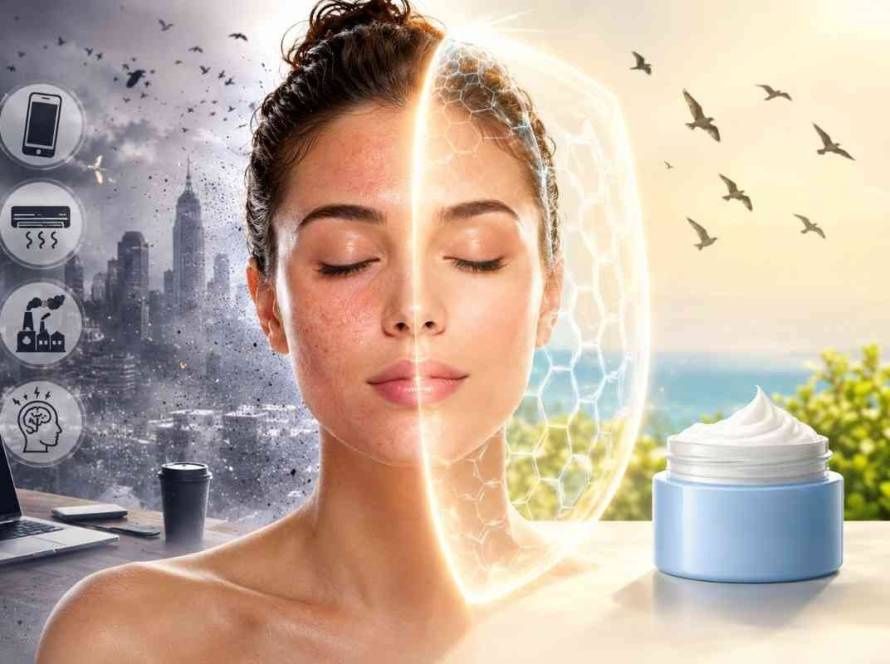
The skin barrier is basically the outermost layer of your skin, and people often compare it to a brick wall, sort of. Skin cells are the bricks and then the natural lipids, like ceramides, cholesterol, and fatty acids kind of act as the mortar, keeping everything together.
- When this structure is intact, it kind of does a bunch of essential jobs, like holding moisture inside the skin, keeping things from drying out too much.
- It also plays a part as a kind of defense against pollution and environmental aggressors and, somehow makes the irritation caused by allergens a bit less noticed.
- On top of that it encourages healthy skin renewal, and assists with keeping that top layer smooth with better elasticity, so it feels more resilient overall.
When the barrier starts to thin, your skin kinda gets more exposed. Moisture can leave more easily, irritation can pop up more often, and those usual things you use every day might suddenly sting or burn a little. Not always, but it can.
That’s why dermatologists usually suggest picking a moisturizer for skin barrier, rather than just depending on products that only give surface hydration, glossing over the problem.
Moisturizing Skin and Supporting the Barrier Are Different Goals
Even if people use these terms back and forth, they really talk about two different processes.
Moisturizing, mostly aims to boost the skin’s water content or to curb water loss. Helping the skin barrier is mostly about patching up and keeping that safeguard layer going, the part that really traps moisture in, and at the same time it helps defend you from outside stressors as well, like irritants and changes in the surroundings.
Consider it as:
Imagine a house with a roof that leaks , and you just keep pouring water inside . The air might feel less dry for a little while or two, like some temporary relief, but the roof is still actually broken. Then sooner or later you’re back to square one, exactly where you started, no real change. Fixing the roof prevents the repeat issues and keeps the inside protected.
Skincare works in a similar way .
A standard moisturizer might briefly make rough skin feel smoother. But a moisturizer for skin barrier helps rebuild the right background conditions so the skin can hold onto hydration on its own, gradually, over time.
Ingredients That Do More Than Hydrate

Not every moisturizer does the same thing. Some mostly draw water in, yet others help rebuild the skin’s natural defenses, and sort of keep it steady.
Here are a few ingredients people often link with barrier support.
| Ingredient | Primary Benefit | Why It Supports the Barrier |
| Ceramides | Replenish natural lipids | Help restore the skin’s protective structure |
| Squalane | Softens and reduces moisture loss | Mimics skin’s natural oils |
| Fatty Acids | Strengthen lipid layers | Build resilience and flexibility |
| Panthenol | Calms irritation | Supports recovery from dryness |
| Cica Extract | Calms visible redness | Helps stressed skin feel more comfortable |
| Peptides | Support healthy skin renewal | Contribute to stronger-looking skin |
A lot of these modern formulations stack a few of the same ingredients together, and so they become suitable for folks who are trying to look past basic hydration, not just keep things plain and watered down.
What a Healthy Skin Barrier Actually Does
Your skin barrier sort of works like the body’s first line of defense , warding off environmental irritants, pollutants, allergens, and harmful microorganisms while also helping to stop too much moisture from escaping. But when that protective layer gets damaged , the skin can start feeling dry, irritated, inflamed, or just unusually sensitive, even when you regularly apply moisturizer.
A bunch of things can mess with the barrier, like over-cleansing, rough exfoliating, too much sun exposure , and even general environmental stress . So supporting the barrier is not only about adding hydration. It also means using a softer skincare routine and picking products that include ingredients such as ceramides, fatty acids, and humectants , which help keep the skin’s natural architecture and its normal role.
So, moisturizing can make things feel more at ease, but it’s the healthy barrier that actually helps the skin stay hydrated more easily, be able to bounce back, and in general feel a lot more shielded as time moves forward.
Why Overusing Active Ingredients Can Damage the Barrier
Today’s skincare routines often pile on exfoliating acids, retinoids, vitamin C acne treatments and then multiple serums layered together.
Even if each ingredient can help by itself, using too much, or way too often, can leave the skin feeling kind of overwhelmed, and it starts to act up.
Over exfoliation is maybe one of the most common causes of barrier disruption. When you take off more than the skin can really manage, the protective outer layer gets weaker, so it can’t keep moisture in the same way. Then you notice dryness, redness , and irritation.
Instead of stacking stronger actives every day, it can help to simplify your approach, and also add a moisturizer meant for the skin barrier, so your skin can recover in real time.
Sometimes doing less is exactly what your skin needs, no extra drama.
Looking Beyond Hydration: The Importance Of Skin Barrier Care
As skin care education keeps evolving, more people are realizing that long lasting results usually come from safeguarding the skin rather than constantly trying to correct it. That change toward skin barrier care really stresses keeping the skin’s own defenses intact, through gentle cleansing, steady sun protection, balanced moisture, and using ingredients that help strengthen the barrier itself.
Rather than hunting down fast fixes for every breakout, dry patch, or sudden flare up, a barrier first routine tries to set up a situation where the skin can actually work the way it should. In time, this method may make things feel more comfortable, lower the look of irritation, and help support a more even overall complexion, too.
How to Tell if Your Moisturizer Supports the Skin Barrier

With so many products that claim they hydrate, ease, or repair the skin, it can be kinda tricky to figure out if a moisturizer actually helps the skin barrier, or if it’s more like a temporary calm, surface smoothing thing. The label on its own almost never tells the whole story, and you usually end up doing some guessing. Instead, go look at the ingredient list and also think how it kind of plays out day by day in real life over time. Like, you know, not just on paper, but what actually happens, when.
A moisturizer for skin barrier usually includes ingredients that help rebuild important lipids, lower transepidermal water loss, and calm what you can clearly see as irritation, yet it should still deliver honest moisture. It’s not only about that quick, gentle comfort-on-contact moment, no, a skin barrier moisturizer should help your face feel calm and steady for longer periods. Ideally you’ll see less tightness, and less reactivity in between uses.
Conclusion
Hydrated skin and a healthy skin barrier kind of go together, but they aren’t the same thing. Moisturizing is mostly about refilling water and adding comfort, while barrier support feels more like strengthening the skin’s own defenses, so it can lock in that hydration and deal with the usual little stressors a bit better. When you get this difference you can make more informed skincare choices instead of just covering up the signs of dryness.
If you simplify your routine, dodge unnecessary irritation , and pick products that strengthen your skin protective layer naturally, you end up supporting healthier skin over time. A well composed barrier support moisturizer can end up being a key part in that routine, it helps your skin stay comfortable, more resilient, and better prepared to manage the everyday challenges.
FAQs
1. What is the difference between moisturizing the skin and repairing the skin barrier?
Moisturizing mainly adds or retains water in the skin to reduce dryness and improve softness. Repairing or supporting the skin barrier focuses on restoring the outer protective layer that keeps moisture inside while shielding the skin from irritants, pollution, and environmental stress. While hydration offers immediate comfort, a healthy barrier contributes to lasting skin health and resilience.
2. How can I tell if my skin barrier is damaged?
Common signs include persistent dryness, redness, stinging when applying skincare products, increased sensitivity, rough texture, and flaky patches that do not improve with regular moisturizing. If your skin feels irritated despite using hydrating products, your barrier may need additional support rather than simply more moisture.
3. Can California Skin+ Barrier Repair Moisturizer help support a weakened skin barrier?
Yes. California Skin+ Barrier Repair Moisturizer is formulated with ingredients such as ceramide complex, cica extracts, nonapeptide, olive squalane, and Pentavitin, which are known for helping replenish moisture while supporting the skin’s protective barrier. Together, these ingredients help soothe dryness, improve moisture retention, and promote a healthier-looking complexion, making it a suitable option for skin that feels stressed or compromised.
4. Can oily skin also have a damaged skin barrier?
Absolutely. Oily skin can still experience barrier disruption due to excessive cleansing, over-exfoliation, harsh acne treatments, or environmental factors. In fact, some people notice oily skin becoming dehydrated at the same time, which can be a sign that the barrier needs support rather than stronger oil-control products.
5. How long does it take for the skin barrier to recover?
The recovery period varies depending on the severity of the damage and the consistency of your skincare routine. Mild barrier disruption may improve within a few weeks, while more significant damage can take longer. Using gentle products, limiting unnecessary active ingredients, protecting your skin from the sun, and maintaining a consistent routine all contribute to healthier barrier function over time.