Healthy, glowing skin is usually linked with that smooth, almost fresh look , but honestly getting that “balance” takes more than just wiping away dead cells. Exfoliating can help with that flat-looking dullness, it can loosen stubborn little buildup hiding inside pores, and give the skin a brighter, more radiant mood, as long as it’s done in the right way. But then again, if you go too hard, or if you use too aggressive scrubs, you might end up disturbing the skin’s natural barrier defense, and after that everything feels off, like suddenly it’s not agreeing with you. That’s where hydration and recovery matter a lot. A barrier repair moisturizer, for example, can help after exfoliation, by keeping the skin comfortable, well fed, and steady instead of reactive.
What Is Exfoliation and Why Does Your Skin Need It?
Exfoliation is this sort of act of removing dead skin cells that start piling up on the outermost layer of skin. The skin itself kind of sheds those cells on its own, as part of a renewal cycle, but a few things can mess with it. Like pollution, environmental strain, excess oil and product residue, can slow things down a bit.
When dead skin cells start to stack up, they kind of end up making the surface look less lively, a patchy spots situation and just a bit harsh. At the same time that buildup can also help clog the pores, and it might cause other skincare products to work a little less effectively, later on too. Exfoliation, sort of sweeps away that layer of leftover residue so the active ingredients in your skincare can get through and do their job more efficiently.
There are two types of exfoliation:
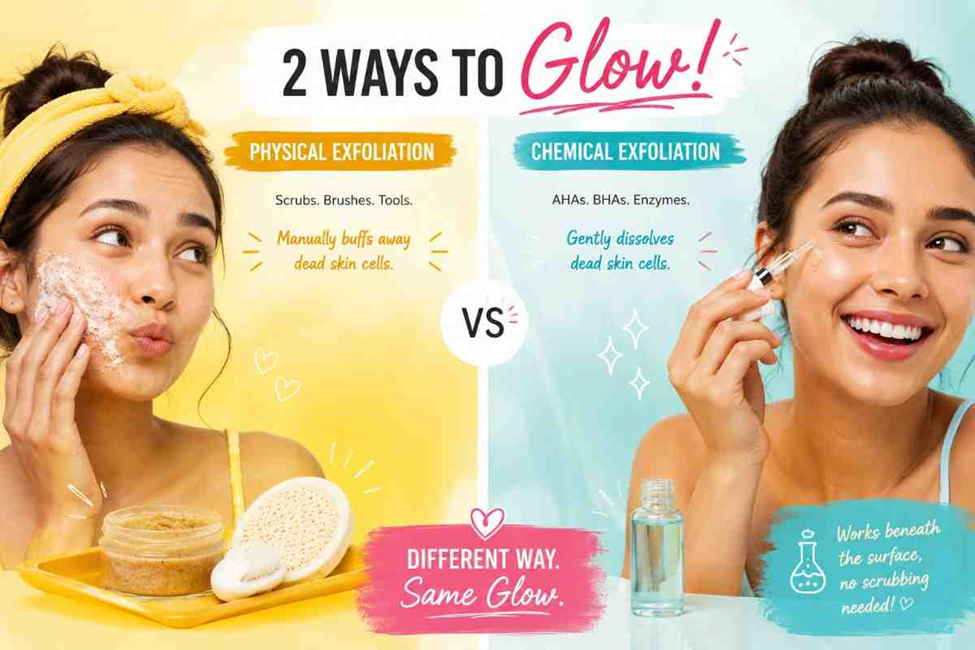
Physical Exfoliation
Physical exfoliation is mostly where you manually sort of lift away dead skin cells using scrubs, brushes, or other exfoliating tools. It can give you that instant more smoother texture, but if you press too hard with the scrubbing, it may end up irritating the skin, and slightly weakening the barrier too.
Chemical Exfoliation
Chemical exfoliation kind of relies on specific ingredients like alpha hydroxy acids, (AHAs) , beta hydroxy acids (BHAs) and even enzymes so the top layer can loosen up dead skin cells, a bit more easily. The nice part is, these ingredients work on their own, without you doing physical rubbing, so it tends to be a more steady choice for controlled exfoliation.
Exfoliation is meant more like, to help the skin with a better, renewed surface, rather than to strip it hard. After you do exfoliation, using a barrier repair moisturizer can help keep hydration in place and lessen that kind of rough feeling from dryness.
Understanding the Skin Barrier Before You Exfoliate
The skin barrier is kinda like the outer protective layer of your skin, it helps it hang onto moisture, and also block outside stuff such as pollution, bacteria, and those environmental changes. If the barrier stays healthy, the skin usually feels softer, more hydrated, and it can be more durable in a real meaningful way too.
When the barrier gets a bit weakened, you may see some pretty typical signs like:
- Dryness
- Tightness
- Redness
- Increased sensitivity
- Flaking
- Burning sensations when applying products
Over exfoliation can be one of the reasons the skin barrier ends up getting compromised . If you use exfoliating acids too frequently, or you’re stacking multiple active ingredients together, it can feel like a lot at once, and then skipping hydration too , is also a problem. In the end , this kind of approach often brings unnecessary stress onto the skin, even if the goal is smoother texture or a brighter glow.
A balanced skincare routine is mostly about clearing away that extra buildup, while still keeping the skin’s own defenses in place. So in a lot of ways, a barrier repair moisturizer can be pretty valuable here, it helps with hydration and also keeps skin feeling more at ease after exfoliation, even when the routine feels a bit intense.
Barrier Repair Moisturizer: The Key Step After Exfoliation
Exfoliation clears away dead skin cells, but afterwards the skin kind of still needs support, you know. Hydrating it is usually what helps, because moisturizing helps restore hydration and makes the skin feel less dry or just generally more comfortable.
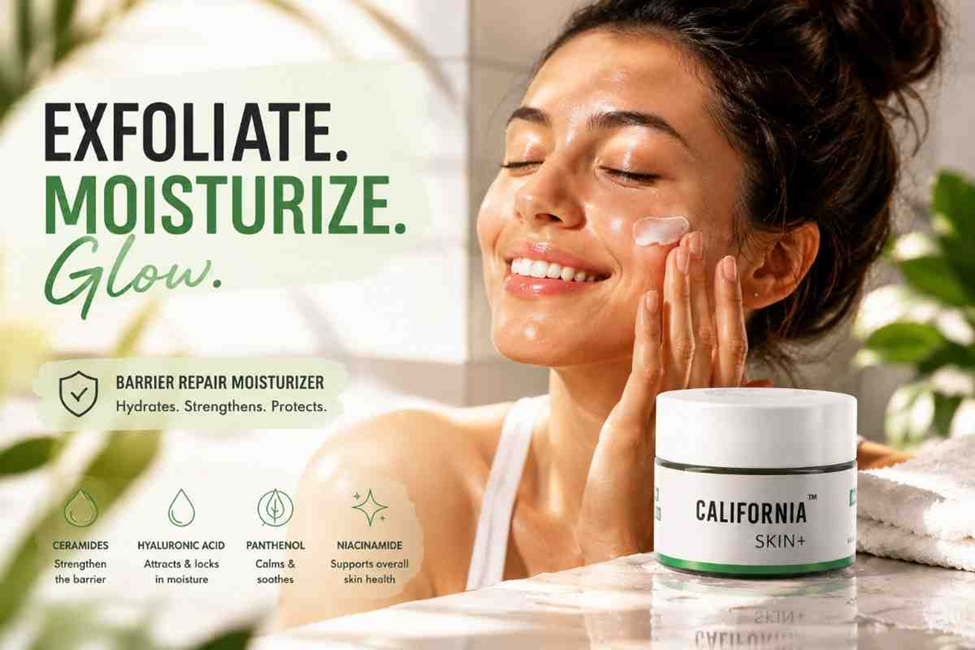
A barrier repair moisturizer is made to support the skin’s protective layer, using ingredients that help keep the moisture balance steady. A lot of formulas include barrier-supporting ingredients such as:
- Ceramides, which help keep the skin barrier stronger.
- Hyaluronic acid that sort of attracts and holds onto moisture, basically.
- Then panthenol, that can calm the skin down, and make it feel more settled.
- Also niacinamide, that supports overall skin health in general.
Using a barrier repair moisturizer right after exfoliation kind of keeps things balanced in a more steady way, like it helps your skin stay calmer. Exfoliation is more about renewing cells, while moisturizing is more about protection and recovery, not just softness though, it supports the whole thing.
How Often Should You Exfoliate Based on Your Skin Type?
The perfect exfoliation cadence really depends on what sort of skin you have, which exfoliating agent gets used, and then, basically how your skin reacts day to day, like not the same every time. There isn’t some one-size-fits-all plan, because each person’s skin has its own needs, so it can be a little different even if you’re using the same product.
| Skin Type | How Many Times Should You Exfoliate | Recommended Way |
| Skin sensitivity | Weekly or less | For sensitive skin, you might want a softer approach, like mild exfoliation that doesn’t feel so abrasive |
| Dry, Itchy Skin | Weekly | Use hydrating exfoliants and follow with moisturizer |
| Normal Skin | 1-2 times weekly | Maintain a balanced exfoliation routine |
| Oily Skin | 2-3 times weekly | BHAs may help with excess oil and clogged pores |
| Acne-Prone Skin | 1-3 times weekly depending on tolerance | Avoid combining multiple strong actives |
After you exfoliate, putting on a barrier repair moisturizer can help support hydration, and keep the skin feeling kinda balanced, you know. Beauty folks often say that how you exfoliate should shift depending on how your skin responds, not just by some fixed routine you repeat over and over. If you exfoliate too much, it can cause irritation, and even a bit more sensitivity, so yeah moderation really matters there.
Signs You May Be Over-Exfoliating Your Skin
Lots of people think that doing a harsher exfoliation will make things go quicker, like faster results, but if you overdo it, the skin can end up getting hurt or stressed, which is kinda counter productive actually.Then it starts losing that protective power it’s supposed to keep on, so instead of helping it can backfire, more or less.
Signs that you may be exfoliating too often include:
- Persistent redness
- Increased dryness
- Peeling skin
- A burning sensation after applying skincare products
- Sudden sensitivity
- More frequent irritation or breakouts
When these signs show up, reduce exfoliation frequency a bit and instead focus on hydration, so the skin can find its balance again. Throwing in a face moisturizer into your routine can give that needed support for your skin’s recovery, you know.
Physical vs Chemical Exfoliation: Which One Should You Choose?
Both physical and chemical exfoliation can be kind of effective, but the better choice really depends on your skin type and what you’re trying to do. Sometimes it’s like, you know, one works great for some people and not as much for others.
Physical exfoliation can give fairly quick smoothness, though you have to be careful with how you do it because too much pressure can quickly irritate the skin, and then things feel kinda off. Chemical exfoliation tends to feel more in control, like the active ingredients do their thing, step by step, loosening away dead skin cells as you move along. For example salicylic acid can be pretty helpful, if your skin leans oily, but AHAs often help with surface texture and that whole general look.
If you’re just starting out, beginning an exfoliation rhythm around once a week is usually the cleanest, most practical move. Once your skin gets used to it then, you might increase the frequency, if it still feels good and if it seems actually needed.
No matter which method you pick, a barrier repair moisturizer is still a key step. Healthy skin really needs that slow kind of renewal and the protective layer too, not just one part, so just don’t skip it, because it all works together kind of.
Common Exfoliation Mistakes to Avoid

Exfoliating Every Day
Daily exfoliation might be not so needed for plenty of skin types, because the skin kind of renews itself on its own. When you go overboard with exfoliation , it can throw everything out of harmony, leading to an imbalance.
Combining Too Many Active Ingredients
When someone uses exfoliating acids, retinol and harsh scrubs all at once it can sort of overwhelm the skin and make it a bit more reactive or sensitive, like you’re pushing too hard.
Skipping Moisturizer
If you just pull off those dead skin cells, but you don’t really bring back hydration, the skin can feel oddly uncomfortable. A barrier repair moisturizer helps keep those moisture levels steady, and it also backs up the skin’s recovery, sort of like a calm, protective layer.
Ignoring Skin Signals
Let your skin response kinda lead the way. When irritation shows up, tweaking your exfoliation frequency can be a lot more helpful than you’d expect, so follow that cue closely.
Conclusion
Exfoliation can be a pretty effective method for getting smoother, more “fresh” skin, yet the real trick is balance and not overdoing it. If you take away dead skin cells too often, it can mess with the skin barrier a bit, and then that texture and comfort start feeling kinda off, like uneven or tight. Yet if you go about it with care,not rushed, you can still nudge a more fresh look, calmer skin, and a smoother overall feel. Also, afterward when you use a barrier repairing moisturizer, it helps seal in hydration, backs up the skin’s own defenses, and keeps your whole skincare routine more steady and consistent.
FAQs
1. How often should I exfoliate my skin without damaging my barrier?
The ideal exfoliation frequency depends on your skin type, the exfoliating ingredients you use, and how your skin responds. Most people can exfoliate one to three times per week, while those with sensitive or easily irritated skin may need to exfoliate less often. Starting slowly and observing how your skin reacts is the best approach.
2. Can exfoliation damage the skin barrier?
Yes, exfoliation can damage the skin barrier when done too frequently or with products that are too harsh for your skin type. Over-exfoliation may remove too many protective oils, causing dryness, sensitivity, redness, and discomfort. Using gentle exfoliating products, avoiding the combination of too many strong active ingredients, and following exfoliation with proper hydration can help protect the skin barrier while still allowing you to enjoy the benefits of removing dead skin cells.
3. How does California Skin+ Barrier Repair Moisturizer help after exfoliation?
California Skin+ Barrier Repair Moisturizer helps after exfoliation by providing hydration and supporting the skin’s natural barrier function. After dead skin cells are removed, the skin may need extra moisture and comfort to maintain balance. This moisturizer can help replenish hydration, reduce the feeling of dryness, and support smoother-looking skin, making it a useful addition to an exfoliation routine focused on maintaining healthy and protected skin.
4. Is chemical exfoliation safer than physical exfoliation?
Chemical exfoliation can be a more controlled option for many people because it works by loosening dead skin cells without the friction involved in scrubbing. However, safety depends on the ingredients used, their concentration, and how frequently they are applied.
5. Should I apply moisturizer immediately after exfoliating?
Yes, applying moisturizer after exfoliating is an important step because it helps restore hydration and supports the skin barrier. Exfoliation removes buildup from the skin’s surface, but the skin may temporarily need additional nourishment to stay comfortable.