Forehead acne can be kind of shockingly stubborn. A lot of people put money and time into cleansers, serums and moisturizers to help their skin, yet they still keep getting recurring breakouts along the hairline, and the forehead too. It seems unfair, but one cause that gets missed a lot is hair product buildup. Things like styling gels, leave-in treatments, oils, and even conditioners can end up on the skin, then slowly help pores get blocked. When that happens a forehead pimple remover can become a useful add-on to your skincare routine, because it helps go after those annoying little spots where they like to show up, and it can also support a more clear looking complexion over time.
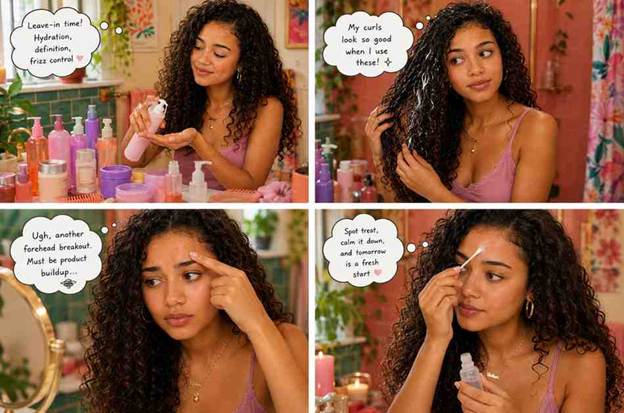
Hair products are made to help with texture, hydration, radiance, and overall manageability. They mostly help hair but, some components can end up bothering the skin in a way that nobody really asked for. When the formula sits near the scalp it can slowly travel up to the forehead, kind of through direct touch, sweat, or just normal daily movement. That tends to show up a lot for people with bangs, fringes, or styles that sit against the forehead all day long, so the skin gets that extra contact without you even noticing.
The forehead naturally makes quite a lot of oil, I mean it is part of the T-zone so it does that all the time. When extra sebum mixes with hair product residue, dead skin cells, and that environmental debris stuff, the pores can start getting clogged. And then over time, that accumulation ends up setting the stage for blackheads, whiteheads, and even more inflamed pimples.
Why Hair Product Buildup Causes Forehead Breakouts and How a Forehead Pimple Remover Can Help
People often say there’s a connection between hair products and acne, usually called “pomade acne,” sort of a breakout linked with oily or heavy products on the hair. Not everyone gets this problem though, and some folks are totally fine, but if your skin is acne-prone you might be more vulnerable to it, like more easily affected.
A forehead pimple remover can help with the visible effects of that buildup, by kinda going after clogged pores and making active bumps look less intense. Instead of going all in across the whole face in a harsh way, it just zeros in on a zone that tends to get hit again and again by acne triggers, like the skin there is sort of more exposed.
Several common hair products can contribute to forehead congestion:
- Hair oils
- Pomades, and waxes, kind of like the classic hold stuff
- Leave-in conditioners, for that softer and calmer feeling
- Styling creams, use them for that kind of refined, easy finish
- Hair serums
- Hair sprays
The heavier the product is, and the more it comes in contact with skin, the more chance there is of buildup going on over time.
How Residue Travels From Hair to Skin
Lots of people think that if a product only gets put on the hair, the skin is somehow safe, like it can’t really be involved. But in the real world, there are a few ways residue can end up at the forehead anyway.
Throughout the day, hair keeps moving, it bumps and rubs against the skin, kinda constantly. Sweat can also do its job by softening and carrying ingredients from the hairline downwards. And at night, while you’re sleeping , the hair product can pass onto pillowcases then return back onto your skin night after night, so it’s a loop that never really stops.
With this repeated exposure, even tiny bits of residue can keep piling up over time, like it’s a slow echo. If you use a forehead pimple remover regularly it can help you cope with this continual issue, while a few other prevention strategies are put into place too.
Signs That Hair Products May Be Contributing to Acne
Hair product-related breakouts often show up with fairly certain patterns that kind of make them different from other kinds of acne, at least in how they appear, and how they behave.
You might think hair product stuff is going on if:
- Pimples show up mostly on the upper forehead.
- Breakouts tend to gather near the hairline, like, right around it.
- Acne gets worse after you try some new styling product.
- Your skin seems kind of greasy even after cleansing it.
- And those forehead spots can get better once your hair is kept away from your face.
If a few of these signs show up , it might be worth looking at both hair care products and your skincare habits, kind of at the same time, because they can be connected or something like that.
Common Ingredients That Can Lead To Buildup
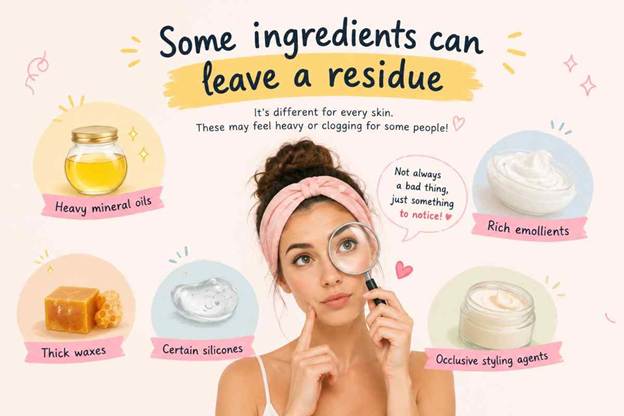
Some ingredients are a little more prone to leaving a residue on the skin than others and it seems like this is really an individual thing. Those ingredients are not necessarily problematic for everyone but some may find that they somehow contribute to congestion or make it feel more clogged up.
Examples include:
- Heavy mineral oils
- Thick waxes
- Certain silicones
- Rich emollients
- Occlusive styling agents
Anovernight spot treatmentcan help with the noticeable results of these ingredients, especially when breakouts are already there. Sometimes it’s more about dealing with what you can see, rather than just hoping the whole thing works later.
Hair Products and Forehead Acne Are More Connected Than Many People Think
Forehead breakouts tied to hair products are pretty common, so much so that dermatology even has a term for it: “pomade acne”. Fashion and beauty outlets have lately kept drawing attention to how styling stuff can lead to stubborn forehead blemishes, like it’s a whole thing. In interviews with Allure, dermatologists explain that oily or waxy hair products can end up sliding onto the forehead, and there they may clog pores and trap oil, sweat, and debris. The same article also points out that bangs and any hairstyles that sit against the forehead can nudge the odds even higher, mainly because they keep those pore clinging, clogging substances in close, constant touch with the skin.
This insight kind of helps explain why some people still deal with forehead acne even when they keep up a pretty consistent skincare routine. If hair products are actually playing a role, then using a focused forehead pimple remover can help take care of what’s already showing up, while adjusting haircare habits helps prevent that future grime buildup, you know. Put together, these tactics can be really effective especially for recurring breakouts that cluster around the hairline and upper forehead.
Comparing Hair Products and Their Potential Impact
| Hair Product Type | Potential Effect on Forehead Skin | Likelihood of Residue Transfer |
| Hair Oil | May create an oily film on skin | High |
| Pomade | Can contribute to clogged pores | High |
| Leave-In Conditioner | May transfer during daily wear | Moderate to High |
| Styling Cream | Can build up along hairline | Moderate |
| Hair Serum | Depends on formulation | Moderate |
| Hair Spray | Fine particles may settle on skin | Moderate |
This table explains why figuring out product triggers is beneficial , in handling those recurring forehead acne cases.
The Role of Targeted Treatment
Switching hair products can help reduce what comes next with breakouts, but it won’t wipe out the blemishes you already got right away. That’s where a forehead pimple remover gives extra leverage, a little more support on the surface.
Targeted treatments are often designed to help:
- Minimize visible blemishes
- Reduce excess oil
- Support clearer pores
- Improve skin texture
- Also reduce the appearance of redness
Since the forehead acne seems to linger in one spot, or really a small region, localized ways can be quite effective, like using a aimed little bit of care instead of doing too much everywhere all at once.
Supporting Pore Health
Healthy pores are essential for keeping skin looking clearer. When pores get blocked up with oil, residue, and those dead skin cells they just keep piling in, acne becomes more likely to show up.
A forehead pimple remover helps support pore clarity by working with the buildup of materials that lead to congestion, kind of like clearing the pathway, you know. Over time, that may help lower how often recurring blemishes come back.
Still, it’s important to remember that no product can really erase acne overnight, not fully. With steady use and just following the directions on the product you usually get the best results, then you adjust from there, not before.
Conclusion
Hair product buildup is pretty common, and somehow it gets overlooked as a real trigger for forehead breakouts. Basically oils, conditioners, styling creams, serums and sprays can slowly stack on the skin. Then you end up with a higher chance of pores getting clogged, and those little visible bumps suddenly starting to show up. If you mix improved hair care habits with more targeted skincare, people can go after both the source and the side effects of these breakouts at once. A dependable pimple remover can also help support clearer looking skin, while at the same time lowering the overall impact of recurring acne that comes from product residue and normal, everyday buildup.
FAQs
1. Can hair products really trigger acne on the forehead?
Yes. Hair products can transfer onto the skin through direct contact, sweat, or pillowcases. When these residues mix with oil and dead skin cells, they may contribute to clogged pores and breakouts.
2. How can I tell if my forehead acne is caused by hair product buildup?
Breakouts concentrated near the hairline, worsening after introducing new styling products, or improvements when hair is kept away from the face may indicate that hair products are contributing to the problem.
3. Is California Skin+ 1 Hour Acne Spot Relief helpful for breakouts linked to hair product residue?
Yes. California Skin+ 1 Hour Acne Spot Relief is particularly useful for targeting visible pimples that develop due to clogged pores and product buildup. Its focused application helps address individual blemishes without requiring treatment across the entire face. For people dealing with forehead acne caused by hair products, it can support faster-looking improvement in active spots while fitting easily into an existing skincare routine. When combined with proper cleansing and mindful hair product use, it can become a valuable part of a comprehensive acne management strategy.
4. Should I stop using hair oils completely if I get forehead breakouts?
Not necessarily. Many people can continue using hair oils by applying them carefully, avoiding the hairline, and ensuring that excess product does not come into contact with the skin.
5. How long does it take to see improvement after addressing hair product buildup?
Results vary from person to person. Some individuals notice changes within a few weeks, while others may require longer periods of consistent skincare and haircare adjustments before significant improvement becomes visible.