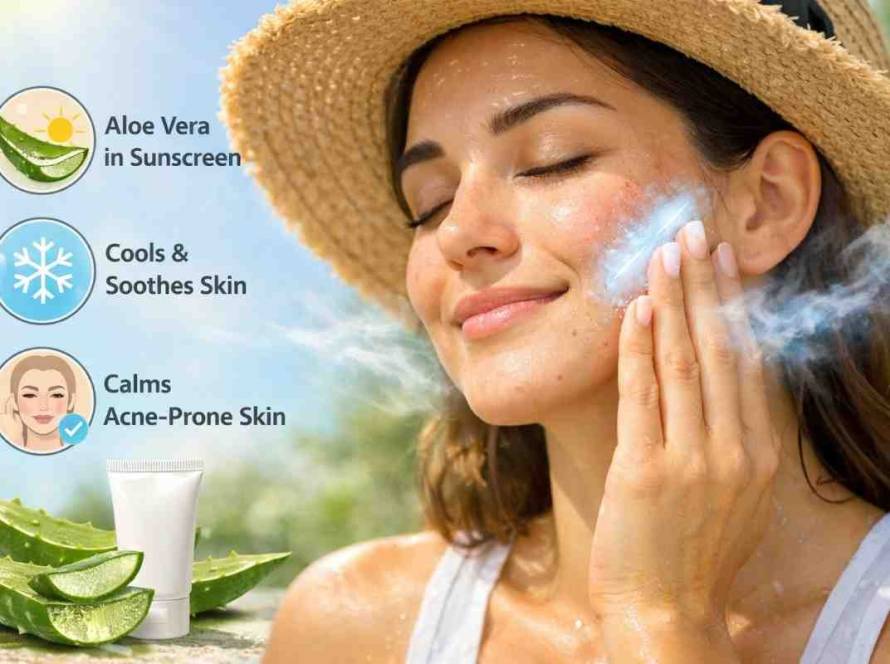
Have you ever noticed that your skin seems a bit brighter, smoother, and more “healthy” looking when you’re on vacation, even if you’re doing a simpler routine. It’s not only because you’re getting better photos in natural light. Your skin reacts to what is around you, to how you feel, to your sleep schedule, and honestly even to your mental state. Using a sunscreen cream is still absolutely crucial, but that vacation glow is kind of connected to lower stress, steadier routines, and a more varied environment that can shift your skin biology, just a bit.
The connection between your mind and skin is, honestly, stronger than lots of folks think.Your skin isn’t just some outer covering, it’s more like a living organ that’s always active and in touch with your nervous system, and also your immune system too. If you get hit with stress day after day, your body starts releasing certain hormones, and those can touch oil production, inflammation, how well you stay hydrated, and even how “tough” that skin barrier feels. Then when you finally take a vacation, those same stress signals tend to calm down, and that’s when your skin usually slides back into a more steady, even, sort of balanced mode.
Why Your Skin Looks Better on Holidays: The Impact of Stress Hormones on Skin Health

Stress hormones like cortisol, for example, sort of dictate how your skin behaves. Cortisol is made up in the adrenal glands, when your body notices physical or emotional pressure. In brief bursts it helps you adapt to challenges, more or less on the fly. But when stress just keeps hanging around all the time, higher cortisol levels can mess with a couple of skin processes, not only one, like it is some kind of domino thing.
When cortisol is high, it can sort of push inflammation higher, mess up the skin barrier a bit and also adjust the sebum release. So that’s why a lot of people end up with more breakouts , looking more dull, feeling extra sensitive, or noticing an uneven texture, when they are under stress.
When you go on vacation your brain gets signals that you are away from the daily pressure so it kind of shifts gears, like a little off switch for the constant stress. That drop in stress responses can lower cortisol activity, and then your skin may keep a better equilibrium. This doesn’t mean your skin changes over night, but the mix of calm downtime, plus sensible routines can slowly show up as noticeable improvements.
Many people even find that they are able to better tune their skincare habits when they are away, even without catching them. They’re out more, they drink more water, they rest longer and they become a little more thoughtful about keeping their skin safe. Using a steady sunscreen spf 50, like every day, turns out to be extra important too because during a trip the whole atmosphere tends to mean stronger sun time, it does not matter if you are at a beach, hiking around somewhere, or just wandering through a brand new city.
The Connection Between Sleep, Relaxation, and Skin Repair
One of the biggest reasons your skin may look better while you’re on vacation is that your sleep gets a lot more solid, and somehow it shows. Sleep is basically when the body shifts into repair mode, and the regeneration part starts getting attention. During deep sleep, the skin steps up cellular repair, it restores hydration balance, and helps barrier recovery really get back on track.
In everyday life, stress can mess with the sleep cycles. Late night work, too much screen exposure, and general mental exhaustion can lower the quality of rest you’re actually getting. If sleep is poor, you might notice a more tired look, more inflammation, and slower skin recovery, kind of all at once.
On vacation, people tend to experience:
- Sleeping for longer periods
- Reduced mental stimulation when going to bed
- More exposure to daylight
- A less rigid daily routine
These little adjustments can make the general look of the skin a bit better, honestly.
How Environment Changes Affect Your Skin

Your vacation destination seems to matter for how your skin ends up looking, like it can shift things in a small way, really. Things such as the climate, how humid it is, the air quality, how much sun you get, and even water quality can all nudge your skin’s condition.
For instance, in a humid environment, some people notice their skin looks more well hydrated. That’s because the extra moisture in the air helps limit water loss from the skin surface. At the same time, being outside more often may boost circulation, and that can give the face a kind of natural glow.
Still, not every place affects skin the same. A tropical vacation could make dry skin feel a little gentler and calmer, but for some people, it may also nudge oil production higher, especially if your skin is acne inclined. And if you’re going somewhere cold, your skin might seem more radiant or refreshed, though dryness can quietly creep in.
This is why keeping a protection lotion going with sunscreen cream is crucial, no matter the place. UV exposure still remains one of the primary environmental influences on early skin ageing, plus uneven pigmentation and the whole inflammation thing.
The Science of Vacation Skin: Stress vs Relaxation
| Factor | During High Stress Periods | During Vacation Periods |
| Cortisol levels | Often elevated due to constant pressure | May decrease due to relaxation |
| Sleep quality | Frequently disrupted | Usually improved |
| Skin inflammation | Can increase sensitivity and redness | May reduce with lower stress |
| Skincare consistency | Often neglected due to busy schedules | More intentional routines |
| Sun exposure | Usually limited or inconsistent | Often increased, requiring protection |
The difference between stressed skin and vacation skin is usually a mix of internal, as well as outside factors; it’s kind of both. Your skin is reacting to your whole routine, not just the products you put on. You can be doing everything “right” and still notice changes, because your body has its own little rhythms you can’t really see from the surface.
Inside the “Stressed Skin” Effect: Why Your Complexion Reacts Like a Fashion Mood Board
In the same way, fashion kind of reflects the shifting moods and seasons, your skin sorta quietly mirrors your internal world. When stress walks into the picture, it doesn’t really stay tucked away, it shows up on your face, like an unfiltered backstage moment. Dermatologists now broadly recognize what beauty editors have been saying for ages, stress can visibly reshape your skin’s tone, texture, and clarity.
People often mention that stress kind of kicks off a hormonal domino effect, with cortisol first, which is basically the body’s main stress hormone. Then, if cortisol stays high for a long while, it may throw the skin’s internal clock out of step , promote more oil, raise inflammation, and weaken the protective barrier. This imbalance usually shows up as break outs, redness, rough flakiness, or this overall kind of drained appearance that even a whole lot of concealers can never truly cover up.
It is not only a surface thing. Stress messes with the skin’s ability to hold itself together and also to mend itself, which makes it more reactive to stuff in the surroundings like pollution , sudden weather changes and even skincare items that used to be totally fine. Over time this increased alertness can make the face look kind of uneven, and visibly worn out, like it’s been running on empty.
Why Sun Protection Becomes More Important During Vacations

Even though relaxation can help your skin feel better, vacations usually come with a lot more UV time. Picture eating outside when the sun is kind of late, those off hour meals, plus little getaways to the beach, some sight seeing here and there, all that stuff can make your skin take in more sunlight than it usually would.
UV rays create oxidative stress, they can start breaking down collagen, lead to uneven pigmentation, and push premature aging earlier than expected.
So that regular sunscreen lotion, applied consistently, becomes a kind of essential routine even if your skin seems more “alive” than before.
A thing lots of people do is assume that a glowing complexion equals truly healthy skin. Sometimes that bright look is just from extra blood flow, better hydration, and genuine rest, However, UV harm can still be happening beneath the surface, quietly, without showing immediately.
A good sun protection routine should consist of:
- Use Sunscreen Before Sun Exposure
- Reapply after sweating or swimming
- Sufficient product for good coverage
- Protecting often neglected areas such as ears and neck
Conclusion
Your skin looks better on vacation not because of one magical product or a single pretty destination, it’s more like a bunch of small things happening at once, kind of all together in the same week. Less stress hormones, better sleep, a mood that feels steadier, plus different environmental exposure , and you naturally end up doing more mindful self care. Even if relaxing can make your face seem “healthier” for a while, protecting your skin from all that environmental damage is still essential.So if you start using a solidanti acne sunscreen in your routine, it can help support a clearer looking complexion while also helping shield against UV related stress. That vacation glow is kind of a reminder that skin wellbeing is linked to your overall wellness, and yeah , even small lifestyle adjustments can show up in a pretty noticeable way.
FAQs
1. Why does my skin become clearer when I travel?
Your skin may improve during travel because stress levels decrease, sleep improves, and your routine becomes more relaxed. Lower stress hormone activity can reduce inflammation and support healthier skin balance.
2. Can stress really affect how my skin looks?
Yes, stress can influence hormones, inflammation, and the skin barrier. Long-term stress may contribute to concerns like breakouts, sensitivity, and dullness.
3. Does vacation weather affect skin health?
Yes, climate, humidity, pollution levels, and sunlight exposure can change how your skin behaves. Different environments can either improve or trigger certain skin concerns.
4. Why is California Skin+ Cica Sunscreen SPF 50 PA++++ suitable for maintaining healthy vacation-like skin?
California Skin+ Cica Sunscreen SPF 50 PA++++ is beneficial because it combines strong sun protection with skin-soothing properties. Its cica-based formulation helps support sensitive and stressed skin while SPF 50 PA++++ protection helps defend against UV damage. This makes it suitable for daily use, especially when your skin needs protection from outdoor exposure while maintaining comfort and balance.
5. How can I keep my skin looking fresh after returning from vacation?
Maintaining good sleep, managing stress, staying hydrated, and following a consistent skincare routine can help. Daily sun protection also plays an important role in preserving healthier-looking skin.