Everyone experiences this situation at some point. You use your skincare products according to your established routine while using your preferred acne face wash two times every day yet your skin still develops an irritated appearance with tightness and unresponsiveness. The situation you describe seems to match our common experiences. The problem might not be what you’re putting on your skin. It might be what your skin has lost.
Your skin barrier functions as the protective shield which safeguards your skin. The system maintains internal moisture while it blocks external elements such as irritants and bacteria and pollutants from entering. The system becomes dysfunctional when people damage it through excessive cleansing and use of strong substances and experience regular stress and normal daily life. A barrier repair moisturizer functions as the solution to this problem.
Your skin barrier damage assessment requires you to assess your current skin condition. You can relax now. Your skin is already sending you signals. Here are 5 clear signs you need a barrier repair moisturizer in your life right now.
Sign #1: Your Skin Feels Tight and Dry Even After Moisturizing
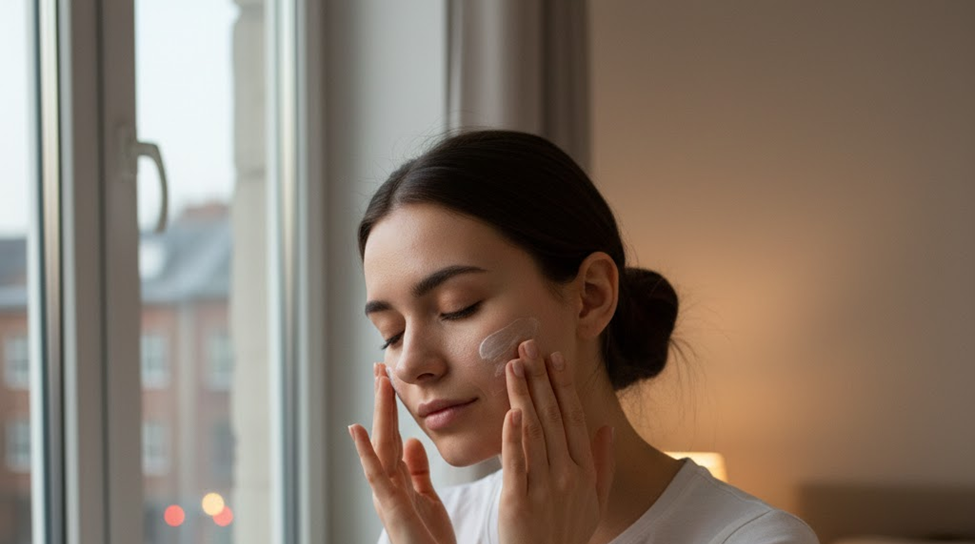
You’ve just splashed water on your face or used your acne face wash, and within minutes your skin feels like it’s being pulled taut. You moisturize, and it still feels dry. Sound relatable? This is one of the earliest and most telling signs that your skin barrier is compromised. When the barrier is healthy, it holds onto moisture naturally. When it’s damaged, that moisture evaporates faster than you can replenish it, a process called transepidermal water loss (TEWL).
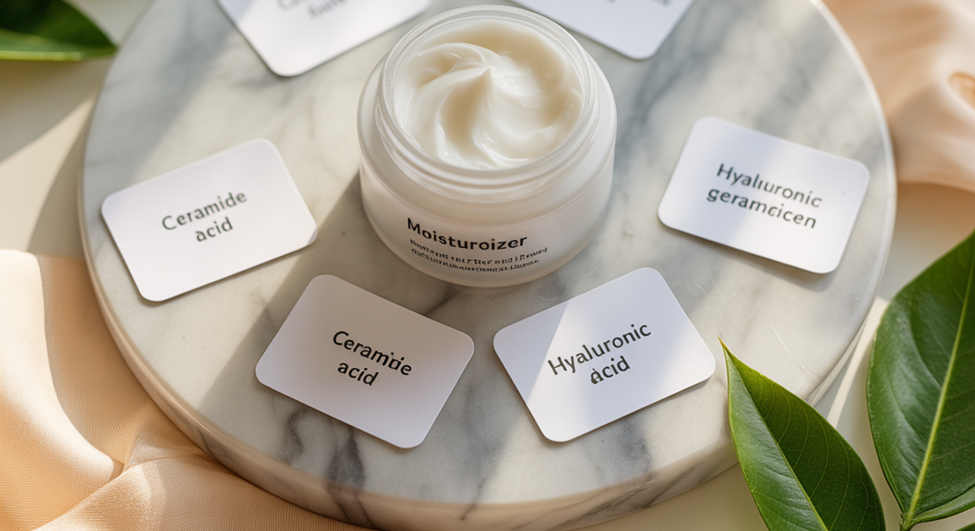
A regular moisturizer might hydrate the surface, but a barrier repair moisturizer goes deeper. It contains ingredients like ceramides, fatty acids, and cholesterol that actually rebuild the lipid structure of your barrier, not just sit on top of it. Think of it less like putting a bandage on and more like actually stitching the wound.
Sign #2: You’re Breaking Out More Than Usual Even With a Good Acne Face Wash
Here’s something that surprises a lot of people. A damaged skin barrier can actually cause more breakouts, even if you’re using a solid acne face wash consistently. When your barrier is weakened, acne causing bacteria find it much easier to penetrate the skin. On top of that, a damaged barrier triggers inflammation, which makes existing breakouts angrier and slower to heal.
Here’s the tricky part. If you’re using a strong or foaming acne face wash twice a day, it might be stripping your skin’s natural oils along with the bad stuff. This creates a vicious cycle. You cleanse to fight acne, but the cleansing weakens your barrier, which leads to more acne. The fix? Pair your acne face wash with a barrier repair moisturizer. This helps counteract the drying effects of active ingredients like salicylic acid or benzoyl peroxide and keeps your skin’s defences intact.
Sign #3: Your Skin Looks Red, Blotchy, or Feels Constantly Irritated
Does your skin flush easily? React to products it used to tolerate just fine? Feel like it’s always one product away from a meltdown?
Redness and irritation are classic signs of a compromised barrier. When the barrier isn’t functioning properly, your skin becomes hypersensitive. It can’t distinguish between harmless ingredients and actual threats, so it reacts to everything. This is especially common in people with acne prone skin who have been using too many actives at once. Think retinol, AHAs, BHAs, and a strong acne face wash all in the same routine. Your skin is basically overwhelmed.
A barrier repair moisturizer helps calm this reactive state by reinforcing the skin’s structure and reducing inflammation. Ingredients like niacinamide, oat extract, panthenol (vitamin B5), and allantoin are particularly soothing and work brilliantly in barrier focused formulas.
What to avoid while repairing:
- Fragrance
- Alcohol
- Essential oils
- physical scrubs.
These will only set you back further.
Sign #4: You’re Noticing Flaking or Rough Texture Out of Nowhere
Flaky skin isn’t always about dryness. Sometimes it’s a direct sign that your barrier is struggling to shed dead skin cells properly and retain enough moisture to keep the surface smooth. If your skin suddenly looks rough, feels sandpapery, or has dry patches in areas that don’t normally get dry like around your nose, chin, or cheeks, your barrier is waving a red flag.
People with acne prone skin often make the mistake of reaching for more exfoliation when this happens, assuming it’s a buildup of dead skin cells. But exfoliating a damaged barrier is like scrubbing a sunburn. It makes things significantly worse. Instead, pause the exfoliants, ease up on the acne face wash frequency if you’re using it twice daily, and focus on restoration. A rich barrier repair moisturizer used consistently morning and night can dramatically improve texture within just a couple of weeks.
Consistency is everything here. Barrier repair doesn’t happen overnight, but the results are absolutely worth it.
Sign #5: Products That Used to Work Are Suddenly Stinging or Burning
This one is a big one. If you apply your usual toner, serum, or even just water and it stings, your barrier is in distress. Healthy skin doesn’t sting from normal skincare products. When the barrier is damaged, the nerve endings just beneath the surface become more exposed and reactive, causing that uncomfortable burning or stinging sensation that makes you dread your skincare routine. This is your skin’s loudest way of saying: stop, strip back, and repair.
If this is happening to you, simplify your routine immediately. Cleanser, barrier repair moisturizer, SPF. That’s it. Cut out all actives including your acne face wash with salicylic acid, your retinol, everything, until your barrier has had a chance to recover. Reintroduce slowly once your skin feels calm again.
How to Repair Your Skin Barrier: A Simple Routine
Ready to give your skin the reset it needs? Here’s a gentle, effective routine:
- Morning: Gentle, low pH acne face wash (non stripping), barrier repair moisturizer with ceramides, broad spectrum SPF 30+.
- Evening: Gentle acne face wash, barrier repair moisturizer (a slightly richer formula works great at night). Skip actives until skin feels stable. Give this routine at least 2 to 4 weeks before reintroducing any exfoliants or treatment products.
Conclusion
Your skin is constantly working to protect you, but sometimes it needs a little help in return. If you’ve been noticing tightness, unexpected breakouts, redness, flaking, or product sensitivity, these are all signs that your skin barrier is calling for backup. The California Skin+ Barrier Repair Moisturizer sets the foundation your entire skincare routine needs to actually work.
And remember, your acne face wash is an important part of fighting breakouts, but it needs to be balanced with proper barrier support. Together, the right cleanser and the right moisturizer can completely transform how your skin looks and feels. Listen to your skin. It knows what it needs.
FAQ’s
Q1: Can I use a barrier repair moisturizer if I have oily, acne prone skin?
Absolutely! Barrier repair moisturizers come in lightweight, gel cream, and oil free formulas that work beautifully for oily and acne prone skin.
Q2: How long does it take for a barrier repair moisturizer to work?
Most people notice an improvement in tightness and sensitivity within 5 to 7 days.
Q3: Can California Skin+ be used alongside an acne face wash?
Yes and it’s actually one of the best combos you can do for your skin!
Q4: What ingredients should I look for in a barrier repair moisturizer?
Look for ceramides, cholesterol, fatty acids, niacinamide, panthenol, squalane, and oat extract.
Q5: Which is the best barrier repair moisturizer for acne prone and sensitive skin?
If you’re looking for a tried and tested option, California Skin+ is honestly one of the best barrier repair moisturizers out there for acne prone and sensitive skin.