Skincare has moved way past being a simple routine of cleansing and moisturizing. Nowadays, people are really hunting for products that fit their schedules, little habits, their environments and also what they personally want to achieve. Someone working long hours, traveling a lot, trying to manage stress, doing workouts, and handling skin that keeps changing doesn’t really want some tricky routine with dozens of steps. They want answers that feel natural, almost seamlessly into their regular day. That’s part of why things like an overnight spot treatment have started to show up everywhere, because they promise focused care without making your life more complicated. For the modern skincare buyer, it’s not only about buying a product, it’s more like investing in convenience and personalization, and choosing ingredients that support the full well-being vibe.
The new skincare consumer is kind of more informed than ever. Like, with access to dermatologists, ingredient breakdowns, reviews, and educational content online, people don’t really choose products just because the packaging looks good, or because marketing promises something huge. They want formulas that target real issues, but also they need to fit into their daily routines, not only in theory, but in the way the product actually behaves once you use it. Whether it is dealing with occasional breakouts, keeping the skin barrier defended, easing day to day environmental stress, or just trying to keep skin looking healthy and steady, consumers are basically on the hunt for options that feel practical, and work as they should.
This lifestyle centered way of thinking has kinda changed how people see skincare. A skincare routine is no longer treated as its own little beauty thing. Instead it feels tangled with sleep, fitness, nutrition, mental well being, and everyday habits too. People also expect skincare products to move with them, not the other way around, where they have to force themselves into some overly complicated routine.
The Shift From Beauty Products to Lifestyle Products
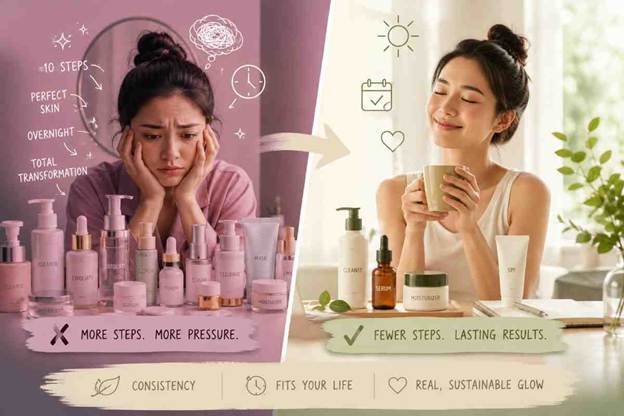
Traditional skincare marketing used to feel like a whole transformation thing. Like one day you are not glowing, and then after a few steps you are suddenly, sort of reborn. Brands often promised huge results and basically nudged people into strict routines that had to be followed, no matter what. But now modern consumers seem a bit more grounded. They’re seeing it more clearly that good skin is usually about consistency, staying power, and using products that sit well with their daily life, not against it.
Like, take for example someone with a super busy work schedule, they might not really want this 10 step nighttime routine. Instead they might choose a simpler way, where only a handful of effective products cover the main concerns without a whole big process. And if someone is constantly on the move, they’ll probably look for items that are easy to pack and do more than one job, kind of multi-use. Then there’s the person with occasional breakouts, they might want a more focused solution such as anacne corrector that works while they’re asleep.
This change has created demand for skincare products that offer:
- Convenience without compromising results
- Ingredients that support long-term skin health
- Products designed for specific concerns
- Simple routines that are easier to maintain
The modern consumer values efficiency a bit too much maybe. They mostly want fewer products that do more, instead of piling up things they use rarely, or not at all. It’s kind of a shift toward what works immediately, and away from random little collections that feel important but really aren’t.
Why Personalization Has Become the Future of Skincare
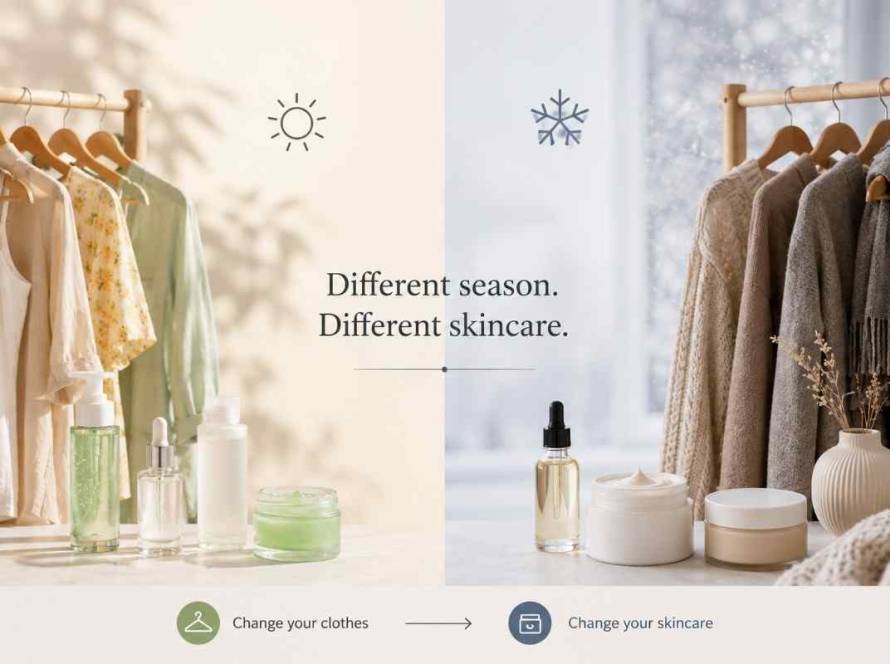
One of the biggest shifts in skin care is the move toward personalization. People are starting to realize that skin care really is not one size fits all ,even if it sounds simple and easy, you know. It’s more like a tailored approach that follows your own skin profile, not just a generic promise. Like, you kinda get it that different skin types, moods, and even seasons need different stuff, not the same routine every day. Things like age, surroundings, stress levels , lifestyle routines and skin sensitivity can all change what the skin is asking for.
Like if someone lives in a polluted city they might put antioxidant defense first, but someone who spends more time indoors may lean on deep hydration and barrier support. And then there is also the consumer who deals with occasional blemishes, they often want a more targeted acne remedy instead of spreading stronger products all over the face, every day.
This has increased the popularity of targeted products, like an overnight spot treatment, because people want solutions that go straight to specific concerns, without swamping the rest of their skin.
The growth of personalized skincare also points to a wider cultural shift. Consumers are drifting away from chasing perfection and putting more weight on keeping balanced and healthy skin , rather than going all-in on constant corrections.
The Connection Between Lifestyle and Skin Health
Modern consumers understand that skincare does not exist, in total isolation. Sleep rhythms, stress levels, what you eat, pollution exposure, and how much screen time you get they all end up shaping how the skin behaves, in that slightly annoying slow way. A person going through a high stress phase might notice more breakouts or even unexpected sensitivity , like the skin is quietly complaining. Someone who spends hours in air-conditioned spaces may find dryness shows up more often, it’s not always dramatic. And people living in urban environments can run into skin troubles that connect back to pollution even if they can’t see it right away.
| Lifestyle Factor | Common Skin Concern | What Consumers Look For |
| Stress and long hours | Sensitivity, dullness, breakouts | Easy to utilize targeted products |
| Urban pollution exposure | Uneven texture and irritation | Protective and barrier-supporting formulas |
| Frequent travel | Dehydration and skin imbalance | Portable and convenient skincare |
| Limited routine time | Difficulty maintaining consistency | Multi-benefit products |
Consumers Want Science, Not Just Trends
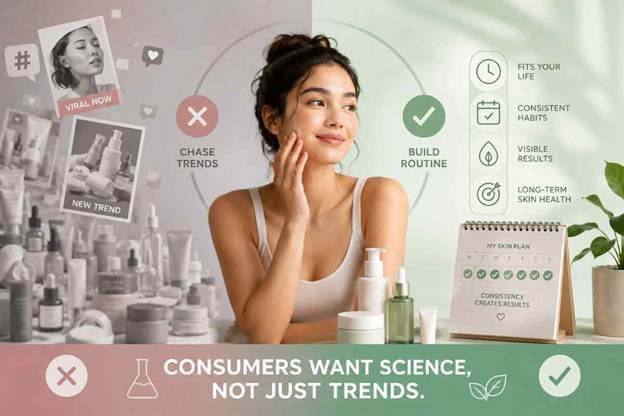
Nowadays, the modern skincare person kind of shapes the decision making more around how a product blends into their whole routine life, not only whatever is showing up as viral beauty trends. Skincare in 2026 is kind of not considered as this separate cosmetic ritual anymore, but more like a daily system, driven by routine habits, time limits, stress states, and those long-range skin wellbeing targets. People are going for formulas that are easy enough to use regularly, that still make a visible difference and that fit in with daily life.
This shift is pretty strongly reflected in current industry insights , where it looks like skincare users are getting more behavior driven and purposeful about what they pick. In Nuon Medical’s analysis of 2026 skincare priorities , consumers now seem to lean toward routines that are simpler, more practical and built around real life usage rather than drowning in product overload, or chasing trend based experimentation. The report also points out that “effectiveness” is being judged more often by consistency , like how well something stays in your daily rhythm and actually shows results over time, not only because of marketing claims or ingredient hype.
Source
The Rise of Minimal Yet Effective Skincare Routines
Another big trend with skincare consumers is minimalism. The idea isn’t about having the biggest collection of products anymore, it’s more like, people want a smaller routine with items that actually do something clear and specific.
This change is also tied to worries about overusing active ingredients. Many folks have noticed that constantly switching products, or stacking too many formulas at once can make the skin feel kinda unpredictable. Like you’re never sure what caused what, or why it suddenly got better or worse.
With a simplified routine , people can sort out what sort of things actually help their skin, and what doesn’t, without all that noise. A basic set , like a cleanser, a moisturizer , sunscreen and a targeted treatment , usually gives more value than having a whole shelf full of items with unclear pay off.
An example like an overnight spot treatment fits that same way of thinking. It gives focused help when it’s needed, without forcing a huge lifestyle adjustment or turning everything into a complicated system.
What Brands Need to Understand About the New Skincare Consumer
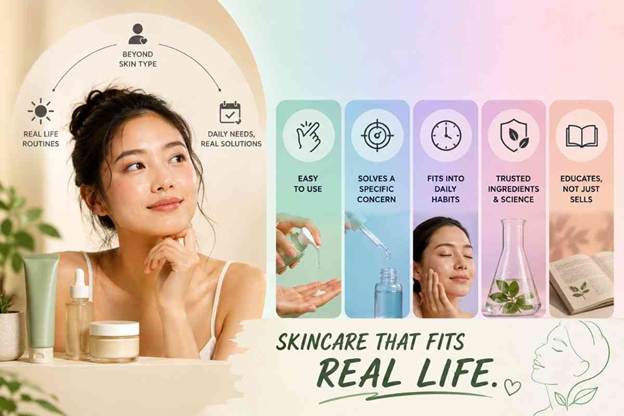
The future of skincare belongs to brands that grasp consumers beyond just their skin type, it’s kinda more than that. People are not only getting products for dry skin or for oily skin, or even the acne-prone kind. They’re actually buying remedies that fit their day to day, their routines and little habits. So it’s less about a label, more about how they live, and what they need.
Successful skincare products today need to consider:
- How easy the product is to use
- Whether it solves a specific concern
- Whether it fits into daily habits
- Whether consumers trust the ingredients and science behind it
The modern consumer wants some transparency and also real functionality, y’know. They’re searching for brands that teach things, not just dump marketing on them.
Conclusion
The new skincare consumer is kind of redefining what it means to care for skin, like really, because today people want products that can kind of “read” their routines, deal with their problems, and blend into their daily lives. It’s more than just a basic step now, it feels a little personal, like the product is in on the whole plan. They end up choosing practical solutions for real, that give targeted benefits but also feel like they naturally belong in everyday life, not like some extra chore or step.
Whether it is dealing with those on and off breakouts, keeping the skin barrier safe, or just making things easier, consumers seem to be leaning into smarter skincare decisions. Like, products such as an acne drying lotion are sort of showing that change, because they give a more targeted fix for a specific issue, yet still fit what people want these days, which is convenience plus real results. So the future of skincare is not really about collecting more products. It is more like picking the correct products that really support how people live day to day, not only how it sounds on a label.
FAQs
1. Why are skincare consumers moving toward simpler routines?
Consumers are becoming more aware that complicated routines are not always better. They prefer fewer products that address their specific needs and are easier to maintain consistently.
2. How does lifestyle affect skincare choices?
Daily habits such as stress, sleep, environment, and work schedules influence skin concerns. Consumers are now choosing products that support these lifestyle factors.
3. Why are targeted skincare products becoming more popular?
Targeted products appeal to consumers because they focus on specific concerns without requiring a complete routine change. They offer convenience and practical solutions.
4. Why is California Skin+ 1 Hour Acne Spot Relief a suitable product for modern skincare needs?
California Skin+ 1 Hour Acne Spot Relief fits the needs of today’s skincare consumer because it focuses on quick, targeted acne care without adding unnecessary steps to a routine. Its formula is designed to help reduce the appearance of breakouts while supporting a convenient skincare approach, making it suitable for people who want effective solutions that fit into busy lifestyles. The product aligns with the growing demand for skincare that is simple, functional, and focused on real concerns.
5. What should consumers consider when choosing skincare products?
Consumers should look at their specific skin concerns, ingredients, lifestyle needs, and how easily a product fits into their routine. The best products are those they can use consistently.