You finish your skincare routine and apply your makeup but soon your makeup starts to break down. It rolls, it flakes and separates from your face. It’s annoying because you want to protect your skin and still look put together. The sunscreen cream you use does not create any problems by working well with the other components. Makeup pilling is usually caused by layering mistakes, incompatible ingredients, rushing the application or simply using product textures that don’t get along.
The daily battle with this problem represents the main challenge which many individuals face throughout their day. Your foundation will show a flawless appearance during the first few minutes but it will start to peel off in small flakes. The process occurs with two different timing patterns because it can begin suddenly or it can start after someone sweats or touches their facial skin. The complete understanding of product interaction between makeup and skincare products needs to be understood.
Why Is Your Sunscreen Cream Pilling Under Makeup?
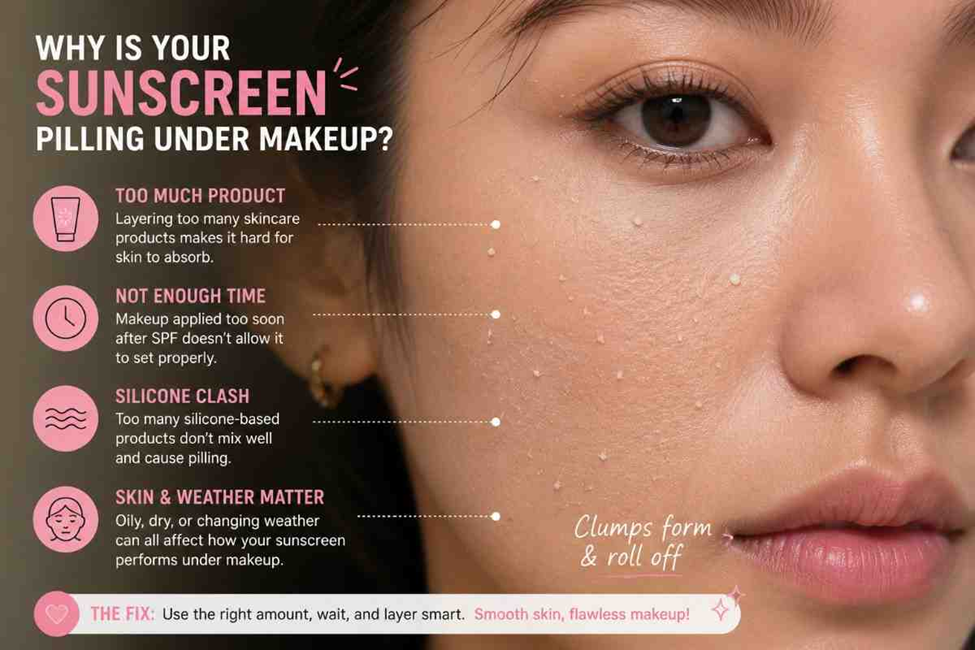
Pilling occurs because products do not properly absorb into the skin. The surface of the material starts to show clumps because the layers do not mix together. The situation happens when your skincare products and makeup products have conflicting formulas.
The primary cause of this problem comes from excessive product application. Your skin will have difficulty absorbing all products when you apply multiple serums and moisturizers and oils and SPF products together. The combination of makeup and friction leads to layer buildup which results in peeling.
Another common issue is applying makeup too quickly after SPF. Your sunscreen cream needs time to settle properly before foundation or concealer touches the skin. The products will develop an uneven mix which leads to rolling off if you attempt to rush the process.
Silicone-based products present difficulties for beauty applications. Many primers SPFs and foundations use silicones to achieve their smooth appearance. The application of multiple silicone products leads to formation of an undesirable outcome because the products fail to combine properly. People need to understand that skin type reaches greater importance than they currently perceive. Oily skin produces excessive sebum which causes rapid degradation of skin products while dry skin develops flaky patches that disrupt product application. The way your sunscreen cream performs under makeup depends on the current weather conditions.
The Most Common Ingredients That Cause Makeup Pilling
Certain ingredients create a higher chance of producing texture conflicts. The ingredients exist as good options for usage. The ingredients require products which contain matching components.
| Ingredient Type | Common Use | Why It Causes Pilling |
| Silicones | Smooth finish and blurring | Creates slippery layers that separate |
| Heavy Oils | Deep hydration | Prevents proper absorption |
| Thick Polymers | Long-lasting wear | Balls up under friction |
| Excess Powder SPF | Oil control | Creates uneven texture |
| Waxes | Water resistance | Can sit heavily on skin |
When there are film-forming substances within your sunscreen cream, makeup products may have trouble adhering to the skin properly.
Your Application Technique Matters More Than You Think
Even expensive products can pill if they are applied incorrectly. Most people rub products into their skin with excessive force, which creates additional friction between their skin layers.
Instead of rubbing:
- To apply products to the skin you should press them into the skin.
- The application needs to use thin layers which should replace thick coats.
- The skincare routine requires a 60 second waiting period between its different steps.
- The SPF needs a 5 to 10 minute resting period before you start applying makeup.
- Users should apply foundation with a sponge by dabbing it instead of dragging the product across their skin.
The sunscreen cream pilling problem can be solved through this straightforward modification. The amount of product you apply stands as a hidden dimension that people tend to ignore. The application of excessive sunscreen creates a thick barrier which fails to dry completely. The process requires you to apply multiple thin layers while waiting for each layer to absorb before proceeding.
The Hidden Role of Skin Barrier Damage
The actual problem occurs when the two products of makeup and SPF sunscreen become the main focus of their investigation. The skin barrier damage causes all products to apply to the skin in an uneven manner.
The following effects happen to your skin when your protective barrier sustains damage:
- The skin develops a rough appearance with flaky texture
- The body loses moisture at a rapid rate
- The products demonstrate inconsistent absorption patterns
- Makeup products adhere to the dry areas of the skin
- The sunscreen protection factor breaks down at an increased rate.
Excessive exfoliation serves as a primary factor which disrupts skin barrier protection today. People often use acids, scrubs, retinol, and acne treatments too frequently without allowing the skin to recover.
The pilling of sunscreen cream could be due to a damaged skin barrier and therefore, the initial stage of such a process would be to attempt repairing the skin barrier.
Statistical Insight on Sunscreen and Makeup Pilling
Sunscreen pilling occurs more frequently than people realize because the practice of applying makeup too rapidly leads to this problem. A layering study tested 528 women between 20 and 49 years old who used various skincare and makeup products in authentic situations to investigate the reasons behind product pilling during makeup application. The study results demonstrated that incompatible product textures together with excessive product application and insufficient time for products to dry led to SPF and makeup products separating from each other.
Why Matte Makeup Often Makes It Worse
The skin requires products for matte foundation and oil-control products because these products need to establish strong adhesion to the skin. The product helps makeup last longer but the product breaks the protective layer which your sunscreen cream creates.
When matte products are applied on top of SPF sunscreen:
- The surface of the skin develops an irregular texture.
- The skin shows signs of dry patches.
- The resistance between products increases when they touch each other.
- The makeup starts to break apart at a faster rate.
Hydrating foundations and natural-finish foundations show better performance with SPF products because their application creates smooth results that maintain the integrity of the base makeup.
The Waiting Time Rule Nobody Follows
The most effective solution requires people to wait for a complete solution. People who have busy lives tend to apply their skincare products and makeup products without taking enough time to do so.
Here is a better layering timeline:
| Step | Recommended Wait Time |
| Cleanser to serum | 30 seconds |
| Serum to moisturizer | 1 minute |
| Moisturizer to SPF | 2 minutes |
| SPF to makeup | 5 to 10 minutes |
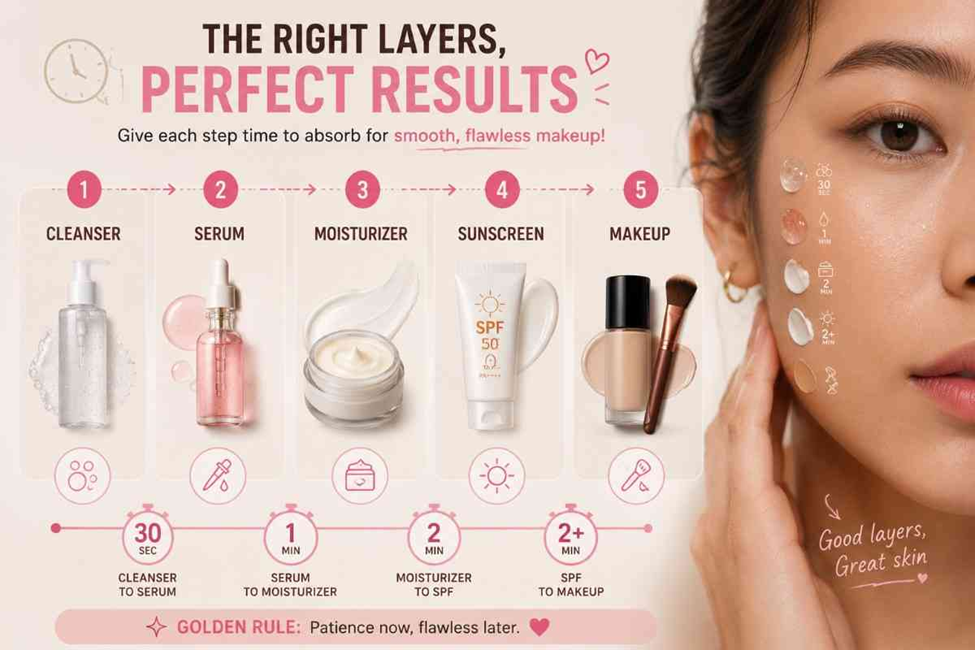
It is better to wait some time for the sunscreen to dry so that you get a more stable facial surface for putting on makeup.
Water-Based vs Silicone-Based Products
Mixing formulas that are incompatible is another hidden cause of pilling.
Water-Based Products
The products have a light weight which allows them to take in moisture with rapid speed. The product shows better effectiveness when used on individuals who have oily skin and who experience acne breakouts. The product demonstrates superior performance when applied to people with oily skin who suffer from acne breakouts.
Products Containing Silicon
The products produce a smooth blurred effect but their performance conflicts with water-based formulas. Your makeup starts to separate immediately when your primer and SPF products use different base formulas. Thin texture products seem to be ideal in keeping the sunscreen natural under makeup.
Why This Problem Is More Likely To Occur In Acne-Prone Skin
People who have acne-prone skin tend to use higher concentrations of active ingredients which include salicylic acid and benzoyl peroxide and retinoids for their acne treatment. The treatments lead to skin dehydration which results in heightened sensitivity.
SPF application develops uneven adherence to skin surfaces. Makeup application produces makeup which makes skin texture visible. Skin exhibits increased flaking due to excessive oil on its surface. Excess oil on skin creates faster breakdown of skin layers.
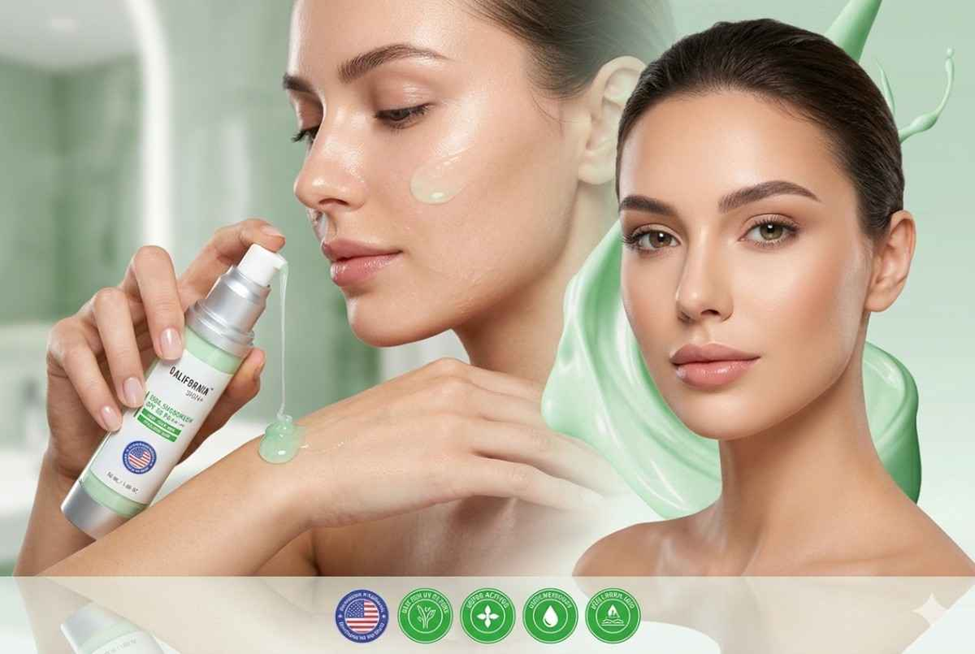
The conditions will create an ideal situation for pilling to occur. The application of lightweight oil free sunscreen spf 50 which contains calming ingredients will decrease skin irritation and enhance makeup longevity.
Simple Ways to Stop Your Makeup From Pilling
If you constantly struggle with SPF and makeup separation, these small adjustments can make a major difference.
Use Less Layers
All at the same time, your skin doesn’t actually require you to dole out moisturizer, toner, serums, primer, SPF, essence, and foundation.
Choose Lighter Weighted Formulations
A lightweight sunscreen cream allows for improved penetration and less occlusion.
Pressure rather than scrubbing
Gently pat in versus rub harshly on your daily products.
Pair Product Bases
Water-based products play well with other water-based formulas.
Skin Preparation
Give the skin a proper scrub once or twice a week to get rid of all the dead skin.
Hydrating Without Overloading
Hydrated skin makes skin a balanced surface for foundation to sit on.
Why SPF Reapplication Creates Even More Texture
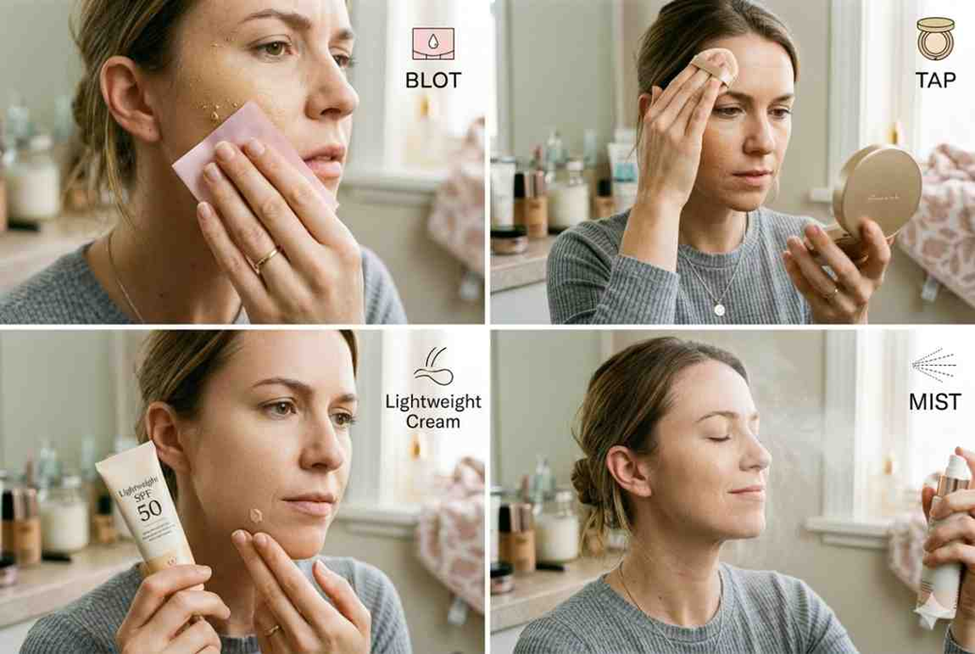
The process of reapplying SPF protection over existing makeup needs to be done but results in quick messy application problems. The application of powder SPF products leads to cakey makeup results while cream products for reapplying makeup create disturbances to the makeup base beneath them.
The following methods will help you to decrease skin texture issues:
- You need to apply lightweight SPF mists with precise control.
- You should use SPF cushions by applying them through soft tapping.
- You should remove extra oil from your face before you apply another layer of makeup.
- People should not use thick creams when they need to put makeup on top of heavy foundation. The application of sunscreen cream becomes simpler when you use lighter sunscreen products.
Conclusion
Your makeup starts to peel off because of sunscreen because of multiple factors that include your choice of products. The main reason for this issue originates from three different factors namely texture problems and your application methods and the current condition of your skin barrier. The way your makeup appears throughout the day will improve when you select matching products and minimize your skincare routine and wait for products to completely soak into your skin.
An SPF formula that is lightweight and soothing offers huge benefits for those with sensitive and breakout-prone skin. People can opt for cica sunscreen for acne prone skin because it provides skin irritation relief with a lightweight texture that allows comfortable makeup application.
FAQs
1. Why does makeup look flaky after skincare?
This usually happens when products have not absorbed fully into the skin. Too many layers or incompatible textures can cause foundation to separate and collect into small flakes throughout the day.
2. Can oily skin make foundation separate faster?
Yes, excess oil can break down skincare and makeup layers more quickly. This causes products to shift, slide, or bunch together, especially in humid weather conditions.
3. Should I wait before applying foundation after SPF?
Yes, waiting a few minutes helps products settle properly. Applying foundation immediately after skincare increases the chance of friction and uneven layering.
4. Is California Skin+ Cica Sunscreen SPF 50 PA++++ suitable under makeup?
Yes, California Skin+ Cica Sunscreen SPF 50 PA++++ works especially well under makeup because of its lightweight and breathable texture. Unlike heavy SPF formulas that can feel greasy or start pilling after foundation application, this sunscreen absorbs smoothly into the skin and creates a more even base for makeup. Its cica-infused formula also helps calm redness and irritation, making it a great option for sensitive or acne-prone skin.
5. Can damaged skin texture affect makeup application?
Absolutely. Dry patches, irritation, and uneven texture can prevent products from blending properly. Keeping the skin barrier healthy helps makeup appear smoother and more natural.