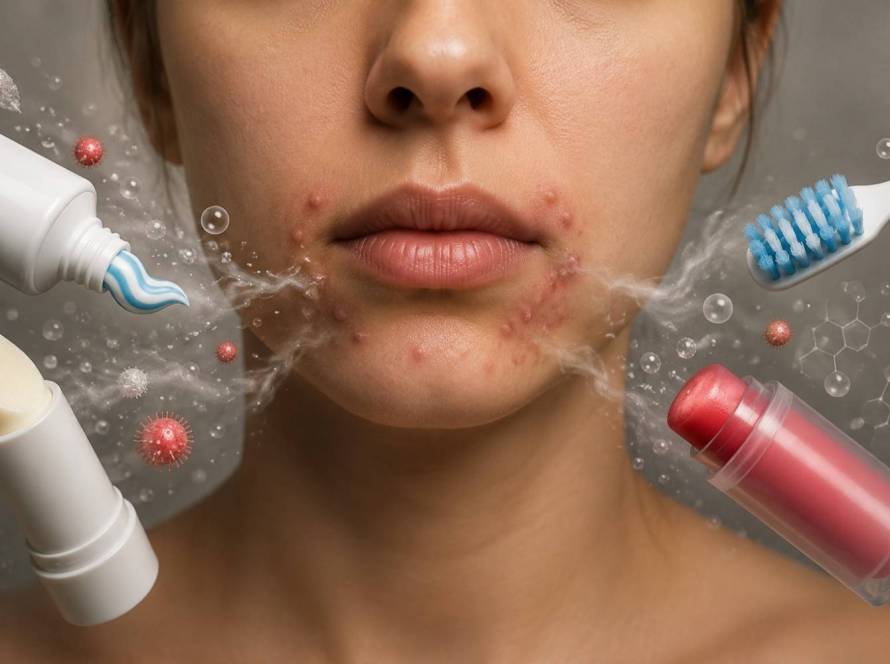
Having to wake up to a sore, red pimple before attending an important meeting or a long-awaited social occasion has been common to many people across the globe. We are all too familiar with the dilemma of either risking scarring the affected area by picking the pimple out or hiding it beneath multiple applications of concealer, which seem only to highlight the imperfection. The process of controlling the emergence of acne has come a long way from the days of scrubbing and harsh cleaning routines. To successfully control acne within a short time period requires an integrated process. Applying a strong cystic pimple remover during the active periods and switching to a pimple patch at night has proven to be quite effective.
The science behind the concept of “acne for 24 hours” is based on the theory of occlusion and selective delivery of ingredients. According to recent dermatology statistics, around 85% of individuals aged 12 to 24 have some form of acne problem, yet the adult acne market is booming owing to environmental factors affecting us today. Studies have shown that applying treatment only to the site of the blemish can decrease its life span by up to 40% than not treating it at all.
The Daytime Phase: Rapid Intervention and Invisible Care
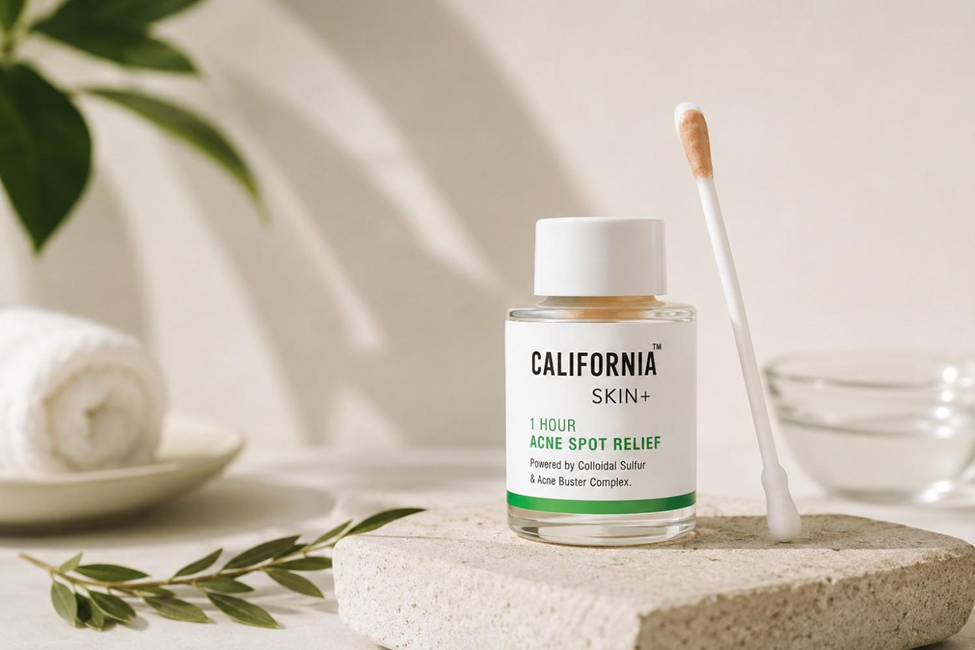
Stabilization and protection are the objectives behind the morning procedure. In cases where you detect the formation of a spot, especially those hard-to-tackle, pain-causing spots, the use of a rapid-acting cystic pimple remover that leaves no chalky film behind is vital. The purpose of the daytime procedure is to prevent further development of the inflammation.
An excellent liquid spot remover is indispensable during this stage. Contemporary products incorporate an amalgamation of minerals and calming substances. The most efficient are those containing Colloidal Sulfur since it functions as a keratolytic agent, causing the top layer of the acne lesion to dry up while removing surplus sebum. Coupled with the effects of Zinc PCA and Zinc Oxide, the result is both oil regulation and formation of a physical barrier to external irritants.
The most common mistake that individuals commit in the course of the day is using too many products that tend to dry the skin. Applying harsh chemicals and exposure to the sun will result in chemical burns and post-inflammatory hyperpigmentation. That is why there are now individuals who are becoming aware of what a balanced product can do for them. The use of the fast-acting solution allows an individual to get rid of the “head” of the zit. Another method that individuals who constantly touch their face can benefit from is a pimple patch.
The Science of the Pimple Patch: Why it Works
As the sun sets, your skin enters its peak regenerative mode. This is the most critical time to apply a hydrocolloid patch. To understand why this technology has revolutionized skincare, we have to look at its origins in medical wound care. Hydrocolloid is a moisture-retentive dressing that was originally designed to heal ulcers and surgical sites. When applied to acne, it creates a “vacuum” effect.
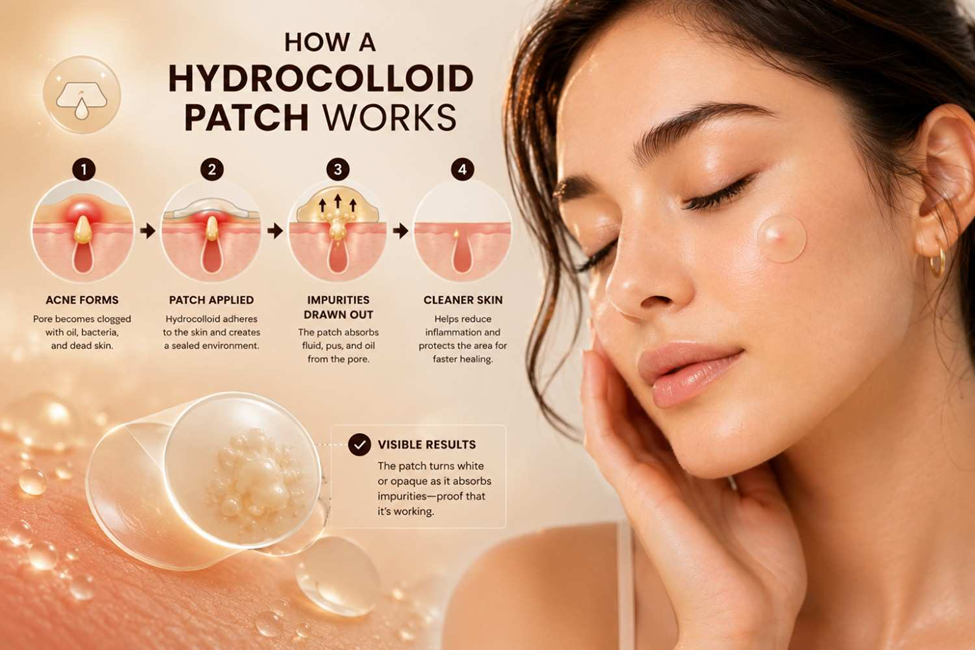
The hydrocolloid patch works by drawing out the fluid, pus, and oil from the pore and trapping it within the matrix of the patch. You might notice the patch turning white or opaque after a few hours; that is a visual sign of the impurities being extracted from your skin.
Beyond just extraction, the pimple patch serves three vital functions:
- Moist Environment: Contrary to popular belief, wounds (including acne) heal faster in a moist environment than a dry, crusty one. The patch prevents a hard scab from forming, which significantly reduces the likelihood of scarring.
- Physical Protection: It acts as a shield against “PIH” (Post-Inflammatory Hyperpigmentation) by blocking UV rays from hitting the vulnerable, inflamed tissue.
- Ingredient Infusion: While basic patches are just hydrocolloid, advanced versions are infused with active ingredients. When you use a pimple patch that contains Salicylic Acid, you are delivering a BHA directly into the pore to dissolve the glue holding the clog together.
Managing the Deep Stuff: The Cystic Pimple Challenge
Cystic acne is a different beast entirely. Because these lesions are deeper in the dermis, topical creams often struggle to reach the source of the infection. This is where a dedicated cystic pimple remover becomes indispensable. During the day, applying a treatment with Calamine can help take the “heat” out of a cyst. Calamine is renowned for its anti-pruritic (anti-itch) and cooling properties, which can make a painful bump feel significantly more manageable.
At night, the strategy shifts. Using a hydrocolloid patch on a cyst might not “drain” it in one go like it would a whitehead, but it serves to bring the inflammation closer to the surface. By keeping the skin soft and hydrated under the patch, you encourage the cyst to either resolve on its own or come to a head much faster than it would if left to the open air.
Research studies published in clinical dermatology journals have noted that occlusion (covering the skin) increases the penetration of active ingredients by several-fold. Therefore, if your pimple patch is infused with Cica (Centella Asiatica) or Tea Tree oil, those healing agents are forced into the skin rather than evaporating off the surface.
Ingredient Spotlight: What to Look For
To achieve the 24-hour turnaround, your products must contain a specific harmony of ingredients. Here is a breakdown of what makes the “Attack Plan” successful:
- Salicylic Acid: A beta-hydroxy acid that is oil-soluble, meaning it can get deep into the pores to clear out debris.
- Tea Tree Oil: A natural antiseptic that helps kill the bacteria (P. acnes) responsible for breakouts.
- Cica (Centella Asiatica): Known as “tiger grass,” this is a powerhouse for skin barrier repair and reducing redness.
- Calendula Oil: Derived from marigolds, this oil provides antifungal and anti-inflammatory benefits, ensuring the skin doesn’t become too irritated by the stronger acids.
- Colloidal Sulfur & Zinc: These are the heavy lifters for daytime drying. They target the blemish without being as aggressive as benzoyl peroxide, which can bleach your clothes and linens.
The Step-By-Step 24-Hour Routine
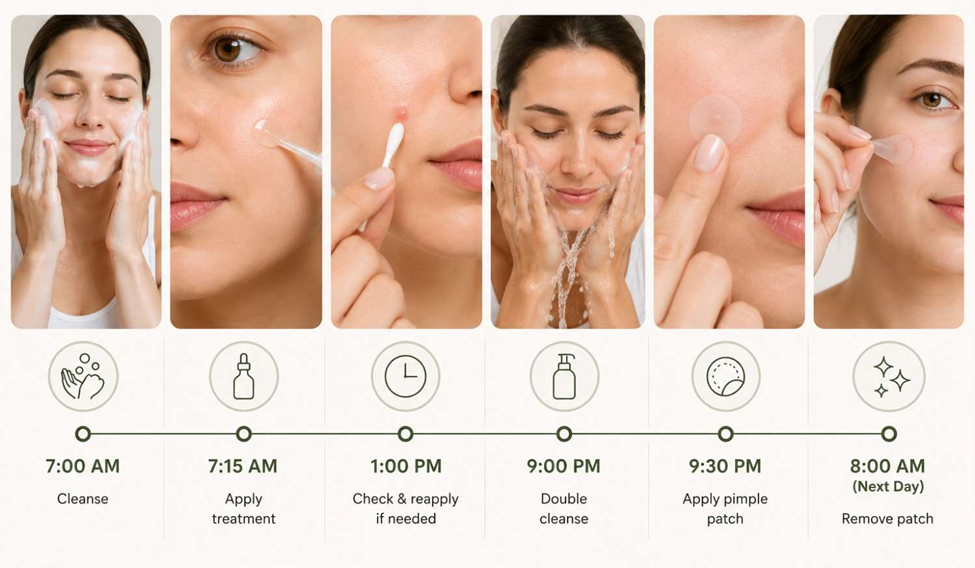
To get the most out of your pimple patch and spot treatments, follow this structured timeline:
7:00 AM: Cleanse the skin with a gentle, non-stripping cleanser. Pat dry completely. Any moisture left on the skin will prevent your treatments from adhering.
7:15 AM: Apply your liquid cystic pimple remover directly to the active spots. Let it dry completely for at least two minutes before applying moisturizer or SPF around it.
1:00 PM: Check the spot. If it is a whitehead and has started to “weep,” gently dab it with a clean tissue and reapply your daytime treatment.
9:00 PM: Double cleanse to remove the day’s SPF and pollutants. This is the most important step for the night phase.
9:30 PM: Apply a hydrocolloid patch over the most prominent breakouts. Ensure the patch extends slightly beyond the edges of the redness. Press down firmly for 5 seconds to ensure the edges are sealed.
8:00 AM (Next Day): Gently peel off the pimple patch. You should see a visible reduction in the size and flatness of the bump.
Why Consistency Trumps Aggression
Many people fall into the trap of using too many actives at once. If you use a high-percentage retinoid, a glycolic peel, and then a cystic pimple remover, you may compromise your skin barrier. When the barrier is broken, more bacteria can enter, leading to a cycle of “reactionary acne.”
The beauty of using a pimple patch is that it is a localized, controlled treatment. It doesn’t interfere with the rest of your skincare routine. You can still apply your hydrating serums and creams to the rest of your face while the patch does the heavy lifting on the problematic area.
Statistics show that people who use targeted patch treatments are 30% less likely to develop long-term acne scarring because the patches discourage picking. Picking at a blemish is the primary cause of scarring and the spread of bacteria to neighboring pores. By committing to a “hands-off” policy and letting the hydrocolloid patch do its work, you are investing in the future health of your skin. (Source)
Environmental and Lifestyle Factors
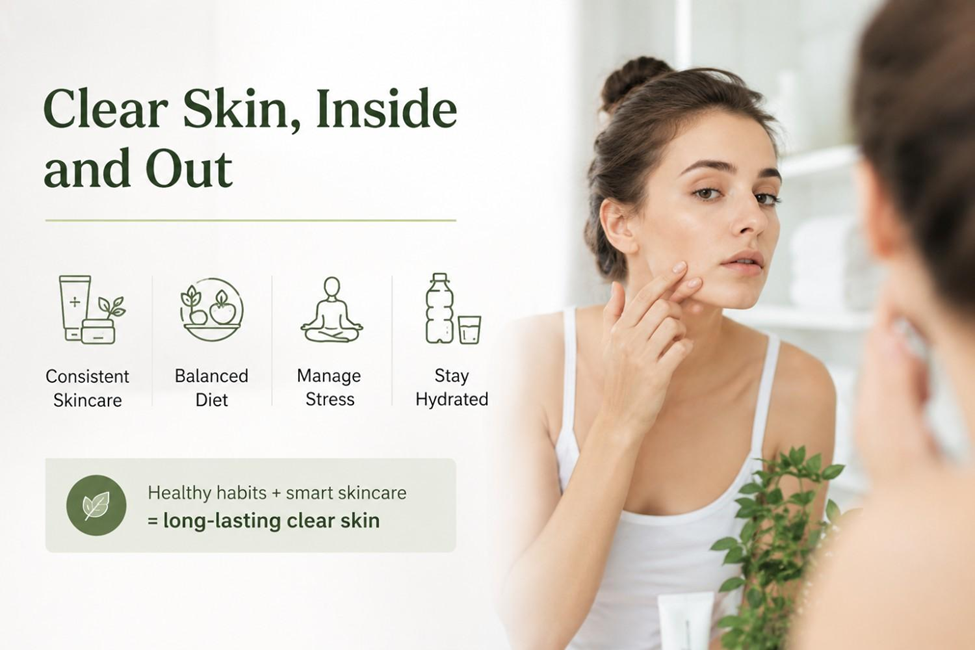
While the 24-hour plan is highly effective for immediate results, it works best when supported by lifestyle choices. High-glycemic diets and high stress levels have been clinically linked to increased sebum production. If you find yourself reaching for a cystic pimple remover every single week, it may be worth investigating internal triggers.
However, for the occasional hormonal flare-up or “maskne” caused by friction, the combination of daytime drying and nighttime hydrocolloid suction is the gold standard. It addresses the three pillars of acne care: bacteria, inflammation, and debris.
Common Myths About Acne Patches
One common myth is that you can’t use a pimple patch on “blind” pimples (those that haven’t come to a head). While it’s true that the suction effect is most dramatic on a whitehead, a patch infused with Salicylic Acid can still help penetrate a blind pimple to reduce its size before it ever becomes a visible bump.
Another myth is that you should “pop” the pimple before putting the patch on. Dermatologists generally advise against this. The hydrocolloid material is strong enough to pull fluid through the skin’s surface without you needing to create a wound. If the pimple has popped naturally, the patch is even more vital, as it will keep the “open” site sterile and suck out the remaining infection.
Final Thoughts on the 24-Hour Attack Plan
The transition from a liquid daytime cystic pimple remover to a nighttime pimple patch creates a seamless healing environment. You are attacking the blemish when it’s most active during the day and protecting it when your body is most focused on repair at night. This dual-action approach is not just about vanity; it is about providing your skin with the medical-grade tools it needs to function at its best. By keeping a stash of hydrocolloid patch options in your vanity, you ensure that you are never caught off guard by a breakout again.
Frequently Asked Questions
How long should I leave a pimple patch on for maximum effectiveness?
For the best results, wear a pimple patch for at least 6 to 8 hours, preferably overnight. This gives the hydrocolloid enough time to absorb oil, pus, and impurities from the blemish properly.
Can I wear makeup over a cystic pimple remover or patch?
Yes, most modern patches are thin and blend well under makeup. In fact, applying makeup over a patch is often better than applying it directly onto an active breakout.
What makes the California Skin+ Triple Action Acne Relief Pimple Patches different?
These patches do more than absorb impurities. They combine hydrocolloid technology with Salicylic Acid, Tea Tree, Cica, and Calendula Oil to help unclog pores, target acne-causing bacteria, and calm redness at the same time.
Will a hydrocolloid patch work on a blackhead?
Usually no. Hydrocolloid patches work best on whiteheads and inflamed pimples that contain fluid. For blackheads, a BHA exfoliant is generally more effective at dissolving trapped oil and buildup.