Individuals seeking a flawless and radiant complexion have to find their way through an unending list of cosmetic products. There is one critical factor in maintaining a perfect skin tone: your beauty regimen should involve no more than five steps. Your skin’s outermost layer protection depends on its microscopic structural design. The complete structural integrity of your skin depends on how well your skin barrier repair systems function. The protective shield functions as the foundation for all other systems to operate. Your skin may develop redness and constant dryness while you also experience irritation from using basic skincare products. The scientific evidence for effective skin repair moisturizers reaches its critical point at this specific moment.
The complete restoration process requires us to analyze your skin’s fundamental “bricks and mortar” components. Your skin cells function as bricks while a special lipid matrix serves as the mortar that binds them together. The two substances that scientists most frequently study in their work on skin restoration processes are Ceramides and Peptides. The combination of these two components creates benefits that extend beyond hydration because it transforms the entire process of skin barrier repair through cellular mechanisms.
The Biological Blueprint: What is the Skin Barrier?
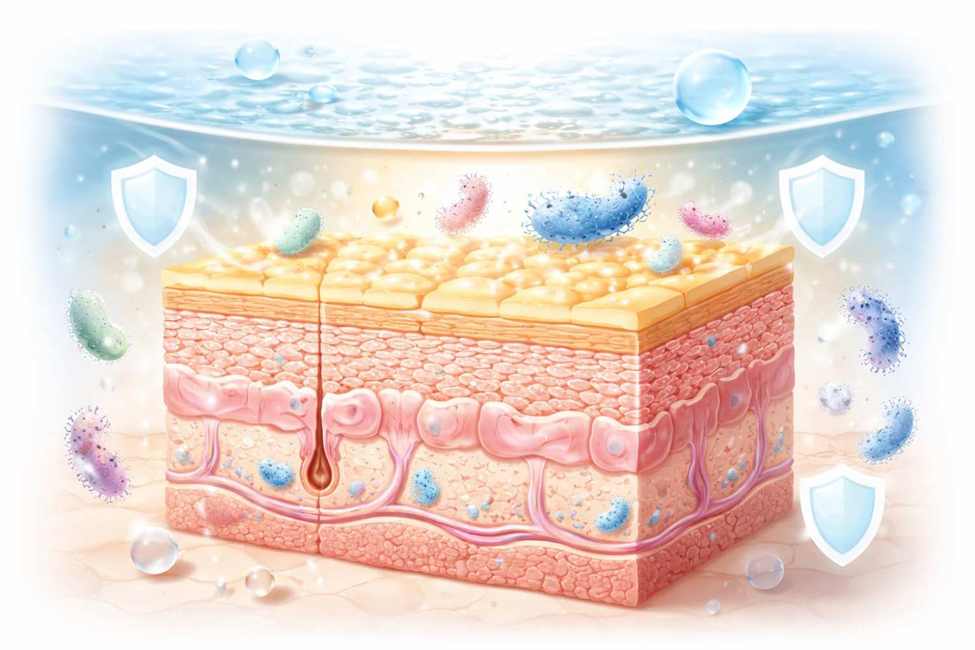
Your body’s defense system starts with the skin barrier known as stratum corneum. The main function of this barrier is dual in nature: it keeps the good things inside you while keeping bad things from getting in. If that wall is compromised, your body acts immediately to protect itself by skin barrier repair first.
In studies conducted, it has been demonstrated that ceramides comprise 50 percent of the lipid matrix of your skin. Without enough ceramides, the “glue” (mortar) or bond between your cells will become permeable. This condition will result in transepidermal water loss (TEWL) and moisture will evaporate from your face. Subsequently, your expensive skin care products will likely no longer work, because the foundation will no longer be able to retain the active ingredients in your products.
The Role of Ceramides: Your Skin’s Natural Sealant
Think of ceramides as the glue that keeps your skin from falling apart. They are long-chain lipids that provide structural integrity. As we grow older, or if we abuse the skin by using too many abrasive ingredients, the levels of ceramides in our skin plummet. This depletion makes consistent skin barrier repair much harder for your body to manage alone. By the time we hit our 30s, we’ve often lost up to 40% of our natural ceramides. By 50, that number can drop by over 60%.
The use of a skin repair moisturizer with a combination of ceramides in the form of Ceramide NP, AP, and EOP simply replicates the composition of healthy skin. Research suggests that using these lipids topically can boost skin hydration by as much as 30% in two weeks. By replenishing these fats, you are facilitating immediate skin barrier repair by “resealing” the surface, which noticeably calms sensitivity and redness.
The Role of Peptides: The Cellular Messengers
If ceramides are the sealant, peptides are the foremen on the construction site. These are short chains of amino acids that act as the building blocks for proteins like collagen. In the world of high-performance skin care products, peptides function as “cell-signaling” agents. They are the ones that trigger the biological processes necessary for deep skin barrier repair.
Upon injury to the skin, peptides generate a strong message that prompts your cells to begin the process of healing. These messages instruct the skin to increase the production of collagen and fortify the basement membrane.This matters because true skin barrier repair isn’t just about lipids; it’s about the underlying protein structure that keeps your skin firm. Statistics from dermatological reviews suggest that certain signal peptides can boost collagen synthesis significantly, smoothing out that rough, “crepey” texture often linked to a damaged shield.
Why Ceramides and Peptides Work Better Together
The real magic happens when you combine these two. The active ingredients in ceramides deliver swift results by forming protective patches which seal your skin’s damaged areas while peptides work to gain skin barrier repair through extended treatment.
The combination of these two treatments serves as the most effective method to restore skin function which has been damaged. The product combination provides complete treatment for your symptoms which include dry skin and itchy skin while it also tackles the fundamental problem of your skin cells becoming exhausted. The distinguishing feature of skin repair moisturizer lies in their ability to deliver advanced performance through dual-action mechanisms which set them apart from ordinary drugstore lotions.
Research and Statistics: The Reality of Barrier Health
Scientific data proves that we need barrier-focused care now more than ever. A study on UV-damaged skin found that ceramide-based treatments supported skin barrier repair 40% more effectively than standard lotions. Research also shows that a compromised barrier is the leading cause of “cosmetic intolerance” that frustrating cycle where your skin reacts to almost everything you try to use. (Source)
In an era where many skin care products focus on high-percentage acids and “stripping” the skin for a quick glow, the data suggests we need to pivot back to protection. Maintaining a healthy pH balance and lipid density is the only way to ensure that active ingredients like retinol can work without causing a massive flare-up.
Identifying a Superior Formulation
Not all moisturizers are created equal. When you’re looking for the right tool for the job, you need a profile that puts skin barrier repair at the forefront. A superior skin repair moisturizer should also include ingredients like Squalane, which mimics your skin’s natural oils, and Pentavitin, which binds to the skin for up to 72 hours of hydration.
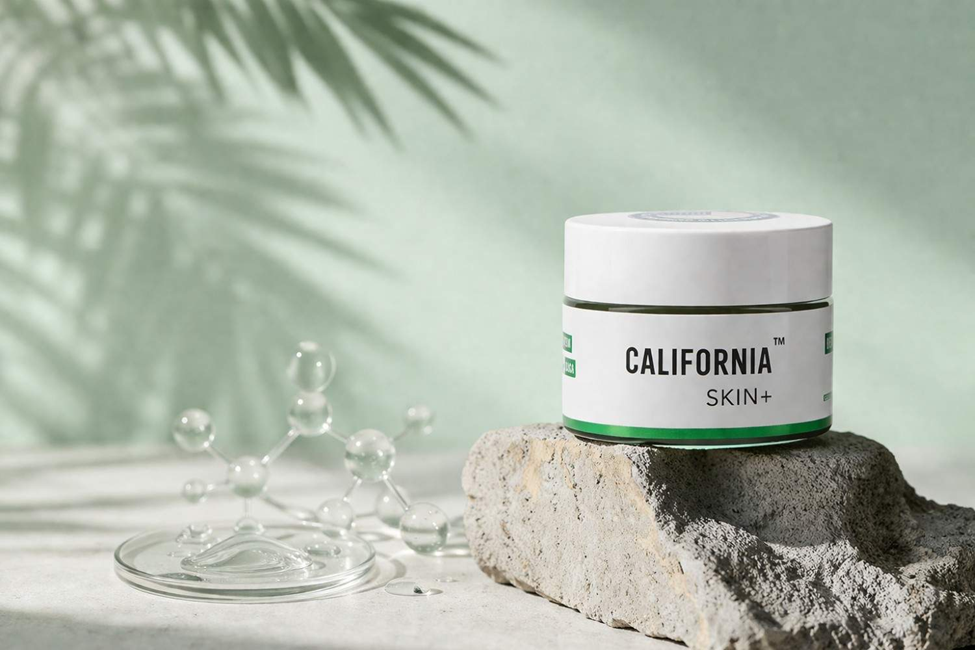
One standout example of this science in action is the California Skin+ Barrier Repair Moisturizer. By utilizing three essential ceramides alongside advanced nonapeptides, this formula creates a breathable shield. It doesn’t just sit on the surface; it integrates into the stratum corneum to facilitate deep skin barrier repair, restoring the “bounce” and resilience we all want.
Steps to Actually Restore Your Barrier
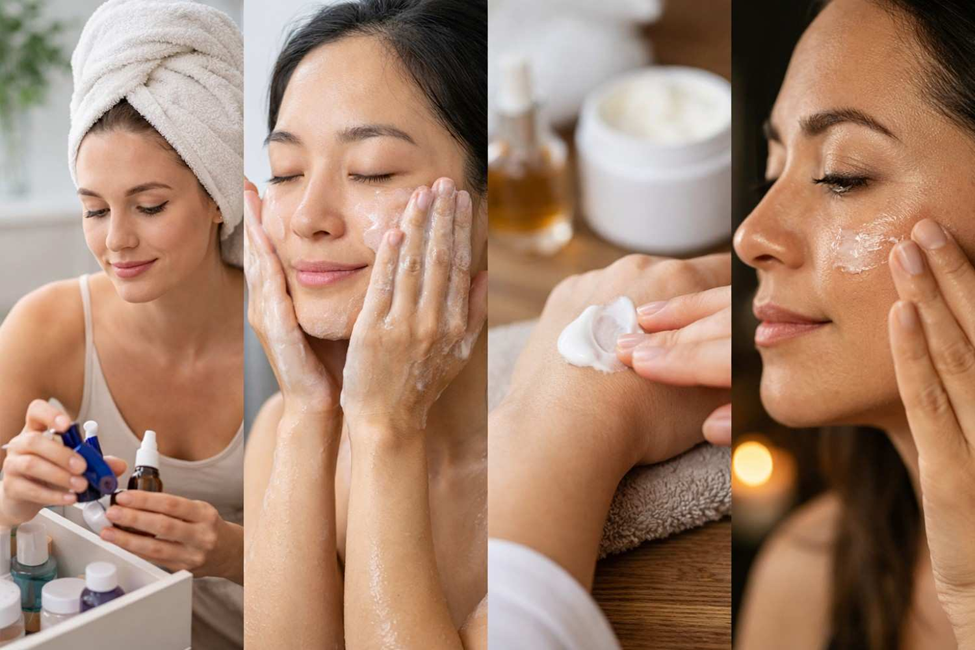
If your skin is currently freaking out, follow this strict protocol for skin barrier repair:
- Stop the Actives: Put away the AHAs, BHAs, and retinoids for at least 10 days. Your skin needs a break to focus on skin barrier repair.
- Cleanse Gently: Use a non-foaming, pH-balanced cleanser that won’t strip your remaining lipids.
- Apply on Damp Skin: To maximize your skin repair moisturizer, apply it while your skin is still slightly damp. This traps extra moisture.
- Seal the Deal: In the evening, layer a tiny bit of an occlusive balm over your moisturizer to prevent “nighttime evaporation,” creating the perfect environment for skin barrier repair.
The Long-Term Benefits
Investing in skin barrier repair today pays off massively down the road. A strong barrier is your best defense against premature aging. When your lipid wall is intact, fine lines appear plumped and your skin is better equipped to fight off the pollution that causes dark spots.
Moreover, consistent skin barrier repair makes your entire routine work better. When your “house” is structurally sound, those expensive serums can actually penetrate and do their job, rather than just leaking out.
Final Thoughts
The science is simple: your skin is an intelligent organ that knows how to heal, it just needs the right materials. By prioritizing ceramides to seal the surface and peptides to signal repair, you are giving your skin exactly what it needs to thrive. In a world of flashy, harsh trends, focusing on skin barrier repair is the most grounded and effective way to care for yourself.
Choose your skin care products with intention. Look for clinical backing and a focus on long-term health. Your skin barrier is your shield treat it with the respect it deserves.
FAQs
How long does it take to repair a damaged skin barrier?
For minor irritation, you might see a change in 1 to 2 weeks with a consistent skin repair moisturizer. However, for deep damage, it can take 4 to 6 weeks for the skin cells to fully turn over and stabilize. Patience is the hardest but most important part of the skin barrier repair journey.
Can I use ceramides and peptides if I have oily or acne-prone skin?
Yes! In fact, many acne treatments are incredibly drying. Using a moisturizer that supports skin barrier repair helps manage the peeling and redness that comes with those treatments. Look for non-comedogenic formulas that won’t clog your pores.
Is the California Skin+ Barrier Repair Moisturizer suitable for very sensitive skin? Absolutely. The California Skin+ Barrier Repair Moisturizer was designed specifically for reactive and barrier-damaged skin. It cuts out common irritants and focuses on soothing ingredients like Green Cica and Squalane, making it a safe harbor for skin that usually burns when it touches anything.
Should I only use a skin repair moisturizer at night?
While your skin does its heaviest lifting while you sleep, it’s a great idea to use it morning and night. During the day, it protects you from the wind, cold, and pollution. Keeping that shield up 24/7 ensures your skin barrier repair is never interrupted.