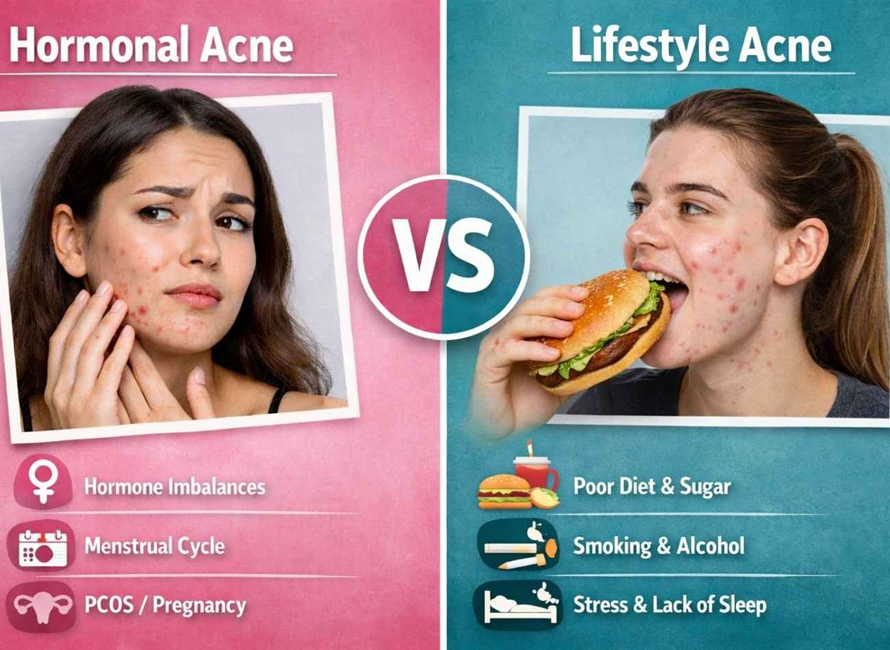
One thing that the concept of beauty is very related to is the way people perceive themselves and other people. Throughout the years, a particular group has been very affected by the media and advertisements, among other things. As a result, the concept of beauty is defined as the characteristics that an individual is supposed to have by the standards set to represent characteristics like having straight hair, light skin tone, and flawless skin. In conclusion, everybody’s lifestyle has been appropriately adapted to fit well the newly designed look.
Whether it’s looking for radiant complexion products or celebrating products for various skin concerns such as texture and pigmentation, representation plays a significant role in how people choose what they put in their skin. For instance, people today are entering the market looking for a pore minimizing face serum that deals with skin texture and clogged pores; however, the search for different products depends upon the skin concerns that people see represented in the media and pop culture. When there was a lack of representation for people of diverse skin tones, people defined certain skin concerns as ‘normal.’
The Impact of Representation on Skincare Choices and Colourism
The role of representation in skincare is substantial and has an important impact on the development of perceptions. Some of the key points are:
- The representation specifies to whom skincare is directed at and which issues are of primary importance.
- Advertising that emphasizes mostly lighter skin tones can leave people with darker skin feeling out of place.
- These perceptions, however, are expected to shape consumers’ purchase decisions towards brands that offer fairness and skin lightening, even if they have potential risks to their health.
- Marketing of beauty linked with lighter skin promotes negative beauty ideologies and societal biases.
- The controversy surrounding “fairness” creams in particular, which are widely used in South Asia, demonstrates the influence of dominant ideologies of body image.
- Women too formed the target group for these programs, with the messages conveying the association with social worth and light skin tone.
Therefore, inclusive representation within the realm of the world of skincare is the ultimate key to building products and advertising that embrace diverse skin types and skin tones.
How Representation Affects Product Development
Representation even has a direct impact on product development. For example, brands that fail to include individuals of various tones, skin conditions, and textures are essentially slowing down the formulation of effective products for those consumers. There have been academic studies with evidence of bias when it comes to dermatology and medical imaging tools, where they function better on lighter skin tones compared to darker ones.
Consumer Trends: Shifting Standards and Expectations
Consumer behaviour translates to substantial gains in economic terms, as the recent industry analysis of the subject demonstrated that nearly half of younger generations would no longer support their favourite brand if it does not portray inclusivity through proper representation. Today, there is significant pressure to ensure that the brand’s products appeal to individuals of different backgrounds by means of inclusion. Such changes are not superficial, as the desire to ensure authenticity, inclusivity, and the stocking of products that resonate against a plethora of living experiences drives the change in the marketing of brands. Today, the youth, particularly Gen Z, is likely to change their marketing approach from fairness products to brightness, radiance, and the promotion of healthy skin tones rather than the pale tones that the older generation often espouses. They also prefer to affirm their purchases based on the ethical standing of the company before making the purchase.
Representation Impact on Skincare Market Trends
| Trend Category | Representation Influence | Market Outcome |
| Inclusivity in Advertising | More diverse models and skin tones | An increase in brand loyalty and consumer engagement |
| Product Development | Formulas for various concerns/tones | Expanding shade range and specific treatments |
| Ethical Marketing | Avoidance of colourist narratives | Enhanced brand credibility |
| Consumer Expectations | Demand for inclusive imagery | Pressure on brands to reformulate & expand lines |
The Psychological Effects of Beauty Ideals
Beauty parameters based on skin tones affect psychological states to a great extent. When fewer variations of skin tones and other facial features are projected in most advertisements, such psychological effects manifest in individuals as a lack of self-confidence. “Black is beautiful” is an initiative that emerged to counterbalance Euro-American beauty parameters by highlighting the beauty of dark complexion. However, it is still hard to assert this beauty feature externally.
Social Media and the Democratization of Beauty Standards
Social media has had a dual effect as it has contributed to the perpetuation of the concept of the homogeneous idea of beauty that focuses on tone and the appearance of a woman. On the other hand, it has helped women of varying racial backgrounds across the globe to share their stories with the audience and display the various ways of looking beautiful. Today, people look up to the social media influencers who share the same problems as the audience too. These problems include the issue of pigmentation, texture, and the science of skincare.
Statistical Insight: The Scale of Perception Gaps
A research report identified a particular statistic that stated only 17 percent of women from racially diverse backgrounds believe that the beauty of these women is accepted by society. Also, a fourth of women who are of the Black, Hispanic, and multiracial race are of the view that the beauty norms prevailing in society are racist. Such a statistic demonstrates the penetration of beauty norms based on colour.
The Role of Skincare Choices in Identity and Empowerment
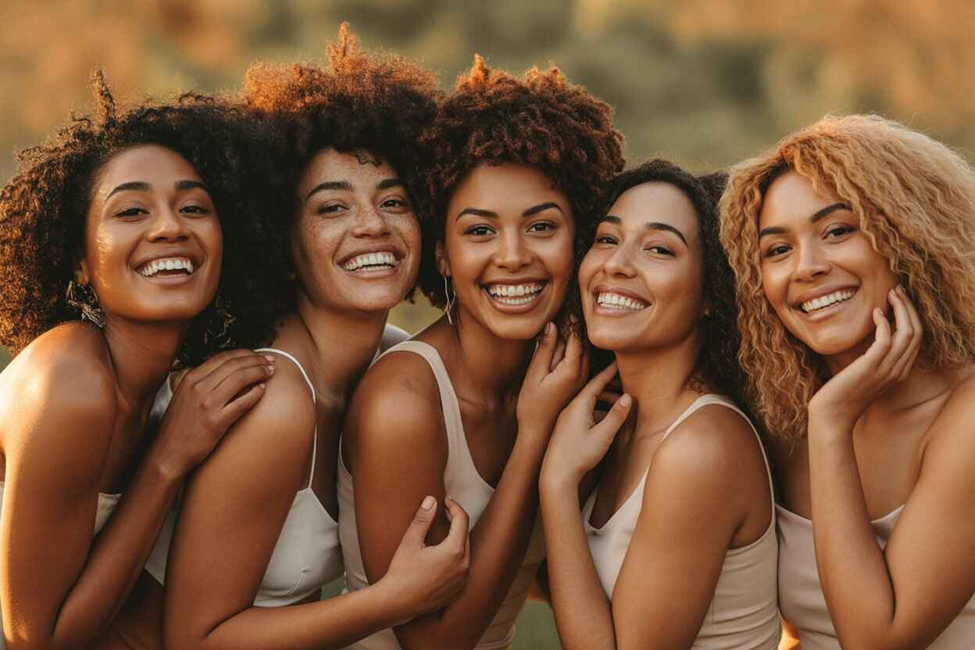
It is not just the product; it is associated with personal identity as well as cultural identity. Furthermore, it has been found that an individual who is able to visually associate themselves with the identities presented within the beauty advertisement or product range may lead to a level of self-acceptance, which in turn may increase confidence levels. It has been noted that the consumer has become even more discerning and would opt for a brand that appreciates uniqueness as opposed to one that continues to follow norms.
Looking Ahead: Changing Guidelines and Inclusive Developments
In the inclusive skincare of the future, the individual will be prioritised over the idea of beauty. There has been a rising trend towards more products and regiments that not only embrace the diversity that exists within each race, type of skin, and culture but also respect it. Among the strongest leading trends is:
- Personalized formulations to address certain skin concerns and skin types
- Digital diagnostics that help identify individual skin needs
- Representation of diversity in marketing and products
- Increased consumer demand for inclusive products at varying price points
- Holistic methods that address the health of the skin as opposed to the aesthetic appearance of the skin
These progresses are the harbingers of a skin care world that is more equal and efficient for all.
Conclusion
The beauty trends of skin tone and color have remained key in shaping different dimensions of skincare, emphasizing the beauty of lighter skin. However, with the changing trends towards inclusiveness and originality, individuals have started defining their own kinds of beauty while choosing different kinds of skincare.
These changes are the result of a shift in the cultural narrative and hold great potential for a future where the world of skincare reflects every person’s needs and experiences in a way that is understood and respected. Within this new chapter of the narrative, the products and products systems become conduits of empowerment and nonconformity, encouraging every individual to take pride in their own beauty and skincare regimen, whether the focus be hydration solutions, texture, or inclusive products that celebrate all tones and identities. Concepts in moisturizer for men also cater to a new understanding of representation in the beauty and skincare world.
FAQs
1. How do beauty standards impact the decision-making process concerning skin care?
Beauty, as a whole, mainly defines beauty pertaining to skin care, as well as the kind of products an individual seeks to use.
2. Why is representation significant in skincare advertisements?
There is also a sense of inclusivity as the user feels represented due to the consumption of a similar skin tone.
3. What have changed in recent beauty trends with an inclusive emphasis?
However, there are current trends towards the production of more colourless stories, as well as the celebration of diversity.
4. How do the representations of skin colour in the media impact self-esteem?
Because images of the narrow definition of beauty abound, there is a problem with low self-esteem for people who do not fit the images depicted, hence the need for inclusionary images.
5. To what extent can skincare routines represent one’s cultural identity?
Yes, personalized skin care means skincare that concerns skin issues and cultural context, supports self-expression, and empowers the owner.