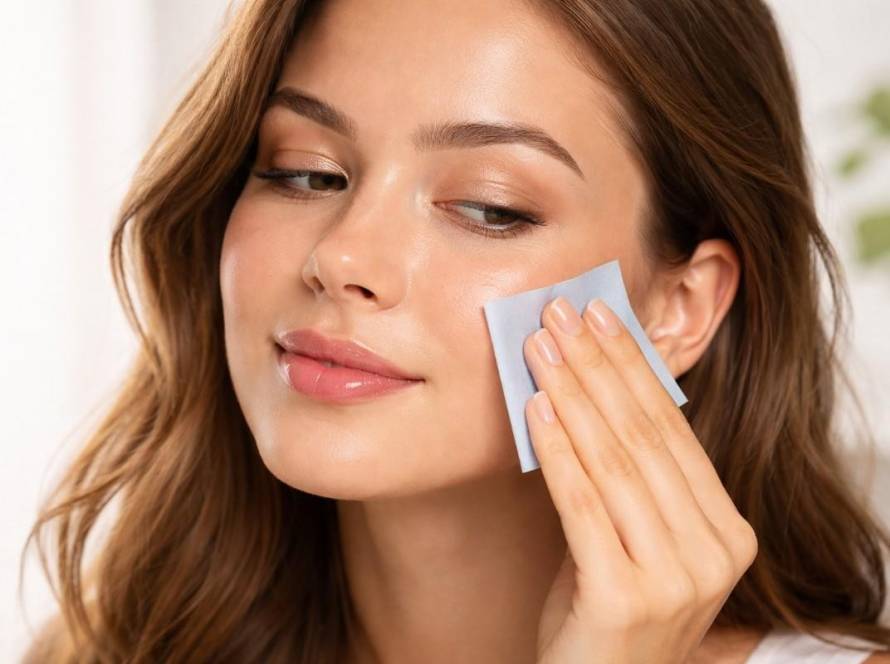
The complete suspension of all activities creates a revolutionary effect in an industry which uses acids and active compounds and requires extensive work processes. Many of us have spent time investigating the most effective salicylic acid serums while creating skin care routines which combine toner with essence and address specific skin needs. The complete removal of all elements from your life presents an interesting situation. No cleanser. No serum. No toner. No moisturizer. No treatments. This is the ultimate question posed by skin fasting, a stripped-down philosophy that defies the conventional wisdom that more products mean better skin. On the opposite side is skin feeding, a philosophy based on nourishment, support, and ingredient use. An understanding of the difference between these two philosophies will teach more about skin biology than any trend ever will.
What Is Skin Fasting
Skin fasting is the act of temporarily cutting out most or all skincare products to give the skin a reset. This is based on the idea that the overuse of products will disrupt the natural regulatory systems of the skin. It is suggested that by taking a step back, the skin will be able to self-hydrate, self-regulate oil, and self-function.
Supporters usually choose one of three variations:
• Complete fasting with no products except water
• Partial fasting with only cleanser and sunscreen
• Targeted fasting where actives are eliminated but basic hydration is retained
The reasoning is simple. The skin needs products which do not contain ingredients and preservatives and fragrances and exfoliants because these products will cause skin irritation and skin inflammation.
What Is Skin Feeding
Skin feeding is the complete opposite of the philosophy. It involves giving the skin the necessary nutrients, water, and protecting ingredients. Rather than removing products, the philosophy aims at building the barrier.
Skin feeding often includes:
• Gentle cleansing
• Hydrating serums
• Barrier supporting moisturizers
• Targeted actives used with intention
Proponents of the product claim that modern lifestyles cause the skin to come into contact with pollution, stress, UV rays, and indoor lighting. In this case, stripping the skin of all support could make the skin imbalanced rather than balanced.
The Science of the Skin Barrier
In order to comprehend both philosophies, it is necessary to explore the skin barrier. The outer layer of skin which protects the body functions as a stratum corneum barrier. The body uses this mechanism to stop water loss through skin and to create protection against skin harmful substances. The skin barrier damage results in skin that becomes dry and sensitive while developing acne.
Acne affects 50 million Americans each year according to the American Academy of Dermatology. The data shows how widespread inflammatory skin disorders are while showing the vital role that skin barrier protection plays in stopping and treating these conditions.
Over-exfoliation and overactive product use can compromise this barrier. Conversely, neglect can impair it if hydration is not adequate.
What Happens When You Stop Using Everything
The first days of skin fasting will create discomfort for people who start the practice. The skin can develop a tight and oily and lumpy condition. This is because the skin is readjusting its oil and water levels.
Short term effects may include:
• Increased oiliness as sebaceous glands adjust
• Dry patches due to water loss
• Temporary breakouts if buildup is not removed
After one to two weeks, some individuals report improved tolerance and reduced irritation. The persistent congestion of others results from their failure to practice proper cleansing and exfoliation. Skin is dynamic. It adapts to its environment. Removing products does not necessarily restore balance if environmental stressors remain high.
Comparative Overview
Below is a simplified comparison of skin fasting and skin feeding to illustrate potential outcomes.
| Factor | Skin Fasting | Skin Feeding |
| Barrier Support | Minimal external support | Active reinforcement with hydrators |
| Oil Regulation | May normalize over time | Managed through targeted ingredients |
| Breakout Control | Limited active prevention | Ingredients address inflammation |
| Sensitivity Risk | Reduced exposure to irritants | Reduced irritation through repair |
| Long Term Sustainability | Varies by skin type | Often adaptable to changing needs |
This comparison shows that neither approach is universally superior. Outcomes depend heavily on individual skin biology.
The Psychological Dimension
There is also a psychological component. Skincare routines often create a sense of control. Removing them can feel freeing or unsettling. For some, fasting reduces anxiety by simplifying choices. For others, it creates stress because they feel unprotected.
Modern skincare culture encourages optimization. Skin feeding aligns with this mindset by offering improvement through measured support. Skin fasting challenges it by suggesting restraint.
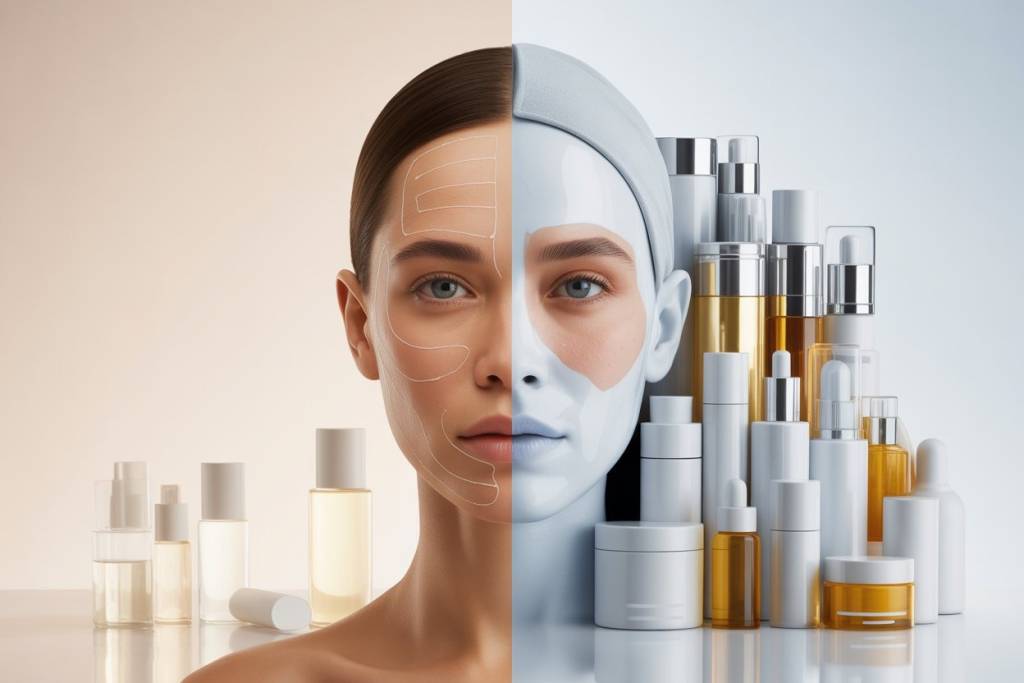
Who Might Benefit from Skin Fasting
Skin fasting may benefit individuals who:
• Experience constant irritation from over layering
• Frequently switch products
• Use multiple exfoliants simultaneously
• Notice increased sensitivity
In such cases, reducing product load allows inflammation to calm.
However, not having moisture or particular care methods may be difficult for those who have very dry skin or skin that is prone to acne. In addition, not cleansing the skin in a polluted environment can create congestion.
Redness, irritation, and skin peeling can occur if gentle exfoliation and skin fasting hydration are skipped. Those with sensitive skin or skin of a mixed type may see breakouts and a rough skin quality if fasting durations are excessive. Pay attention to what your skin is saying and be prepared to adjust your fasting to include some hydration or other protective actions to keep your skin from becoming unbalanced or damaged chronically.
Who Might Benefit from Skin Feeding
Skin feeding may be more appropriate for individuals who:
• Have compromised barriers
• Live in dry or polluted climates
• Experience chronic breakouts
• Use prescription treatments
Flare-ups are avoided and resilience is fostered when the skin is moisturised and maintained. You need to discover your effective solutions. You should use light moisturizers and serums and skin repair treatments to restore your skin to its normal condition. People who treat their skin with excessive strength and who fail to use hydrating moisturizers for too long will experience skin damage. Your skin needs proper skincare maintenance and hydration to heal and achieve balance and function at its natural state.
The Microbiome’s Function
The research conducted in recent times has demonstrated that skin microbiome research holds significant value. The beneficial bacteria decrease skin inflammation while providing protection against harmful bacteria. The microbiome becomes harmed when people use excessive amounts of strong products on their skin. The skin requires maintenance because its absence will create an uncontrolled growth of harmful bacteria. The combination of skin feeding with gentle cleansing and microbiome-friendly hydration provides better balance than total fasting.
Finding Equilibrium
Rather than strictly following one opinion, many dermatologists recommend a combination of approaches. A balanced reset routine may include:
• Gentle cleanser once daily
• Basic moisturizer
• Sunscreen
• Temporary pause on strong actives
This method reduces overload without eliminating essential support.
Long Term Impact
The long-term effects of skin fasting vary according to skin type, environment, and conditions. Oily skin can be more adaptive as compared to dry or eczema skin. People with inflammatory acne may need additional care to reduce scarring. With the right application, skin feeding can be altered to seasonal and hormonal changes. It allows for adaptation instead of desertion. After all, skin is an organ. It must be respected and protected for its intrinsic purpose.
Conclusion
The two extremes of the skincare philosophy viewpoint are skin fasting and skin feeding. One focuses on doing more, while the other on doing less. Sometimes neither is correct. A more balanced approach often also results in better outcomes. Keeping unneeded steps in a process distracts from its essential stages. Most important is that you listen to your skin and not to trends. Moisturizing is essential for some people’s skin to achieve balance and clarity. This is equally true for those purchasing a face moisturizer for women or for any skin type.
FAQs
1. Is it safe to fast if you have acne?
The severity determines this. While inflammatory acne may require specialised therapy, mild discomfort can be resolved with fewer products.
2. What is the ideal duration for a skin fast?
The overall consensus for evaluation is one to two weeks. Extended periods of fasting require careful observation.
3. Can skin feeding cause breakouts?
Over layering heavy products may clog pores. Using lightweight, non comedogenic products can prevent this.
4. Does skin fasting reduce pore size?
Pores are primarily determined by genetics. Inflammation reduction could make pores appear smaller, but it won’t decrease their size.
5. What is the best reset regimen?
Sunscreen, a basic moisturiser, and a mild cleanser will provide you with a strong base and reduce active overload.