Skincare communities these days are pretty ingredient aware, more than before, it feels like. People don’t really chase those harsh treatments that promise overnight miracles anymore. Instead, they usually go hunting for things that help the skin stay in a better shape, over time, kind of slow. And there’s this one ingredient that keeps popping up everywhere in beauty forums, dermatologist notes, TikTok skincare routines, and Reddit discussions, azelaic acid. A bunch of folks who are searching for a solid cream for pimple marks end up gravitating toward azelaic acid, because it sort of handles more than one worry at the same time. Also it usually does this without being too rough on the skin, which is a big deal for a bunch of people.
From dialing back that post-acne pigmentation, to easing down the stubborn redness, and even making the whole vibe of your skin feel a bit more crisp, azelaic acid has kinda turned into one of those ingredients people talk about nonstop in modern skincare. The buzz isn’t just from influencer momentum either because more people are casually saying they notice long lasting changes in acne marks , and uneven tone after sticking with it consistently. Like, it handles multiple problems together not in a dramatic one by one order, so it keeps showing up everywhere lately.
Why Azelaic Acid Cream For Pimple Marks Is Getting So Much Popularity
Azelaic acid is basically a naturally occurring acid, you can find it in grains like wheat barley , and rye. For skincare it is usually put into creams, gels, and serums, to help with acne, dullness or discoloration, inflammation, and that general face redness. A lot of dermatologists end up recommending it because it tends to act in a gentler way than more intense exfoliating acids, or even retinoids, so it feels more mild on the skin.
It’s kinda the reason it stands out as a go-to cream for pimple marks, because it goes at both the still active acne and the leftover, kind of faded marks. A lot of people deal with post-inflammatory hyperpigmentation after a breakout , and that happens especially if someone has melanin-rich skin tones. With azelaic acid you can gradually lighten those marks, and at the same time it helps lower the chance of new breakouts too.
Unlike some stronger treatments that can mess with the skin barrier, azelaic acid is often considered a bit more compatible for sensitive , and acne-prone skin. That’s why it gets talked about so much by people who’ve had issues with stinging or general irritation from harsher acids, or from just over exfoliation, honestly.
One more reason why skincare communities bring up azelaic acid more often is, it seems, that the whole barrier-friendly skincare trend keeps getting bigger. People are leaning toward stuff that helps in a steady kind of way, not the quick results that can end up feeling a bit harsh. It’s like everyone wants those calm, gradual improvements rather than anything that pushes the skin too much, too fast.
How Azelaic Acid Works On Acne Marks
Azelaic acid kinda works in a few different ways, which is why it can be handy for skin that’s acne prone and gets grumpy kinda fast.
- It helps reduce the amount of acne causing bacteria around, also it supports a calmer looking complexion over time.
- It also supports a smoother, steadier cycle of skin cell turnover, so things sort of reset more evenly
- Then it reduces inflammation, and that can mean less redness showing up
- It can help fade the dark marks left after breakouts, like those stubborn spots
- And overall it tends to improve skin texture, not just the pimples
This multi-functional approach is why a lot of users find it a steady cream for pimple marks, instead of having to use multiple separate treatments.
In those dermatology talks, as they show up in various beauty publications, azelaic acid is pretty often mentioned as something else too, like it’s appreciated because it can help regulate uneven pigmentation by easing the overproduction of melanin.
For folks who are dealing with repeat acne and those stubborn, lingering marks all at once, this mix of advantages makes azelaic acid pretty practical.
The Shift Toward Gentler Skincare
Over the last few years, skincare culture has been changing a lot, kind of noticeably. In the earlier days people leaned hard into powerful exfoliation, rougher peeling solutions, and those complicated routines with way too many active ingredients all at once. But now, consumers are really leaning toward skin barrier restoration and overall long-term skin wellness.
Azelaic acid really fits in perfectly with this new skincare philosophy. Beauty publications have been talking about azelaic acid as one of the major components getting attention, because it gives visible results while staying fairly mild on sensitive skin.
Many skincare enthusiasts that previously used strong acids, are now switching to azelaic acid based routines because they notice, in a kind of gradual way, less drama on the skin surface, a calmer glow, and a more even tone over time.
| Skin Concern | How Azelaic Acid Helps |
| Dark acne marks | Gradually brightens uneven tone |
| Redness after acne | Helps calm inflammation |
| Active breakouts | Supports clearer pores |
| Rough texture | Encourages smoother skin |
| Sensitive skin | Usually gentler than stronger exfoliants |
This balance between effectiveness and gentleness is a huge reason why that ingredient still trends in skincare communities around the world, honestly.
Social Media And Community Discussions Increased Its Popularity
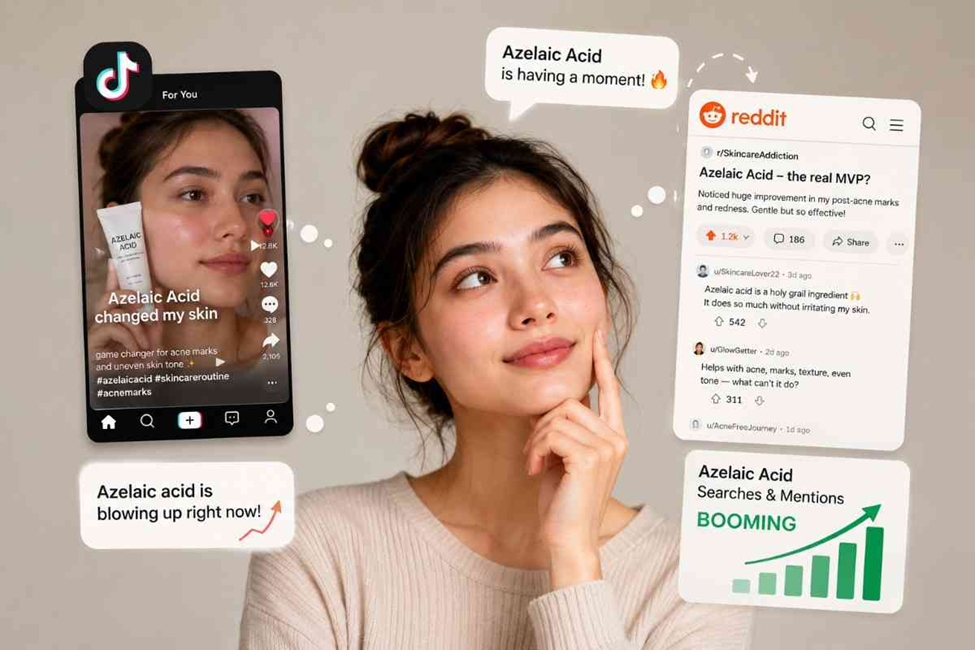
Another reason azelaic acid got more popular, is because real user experiences are all over the place online. On Reddit skincare forums, YouTube skincare creators, and different beauty communities people keep talking about the ingredient and they post the sort of before and after progress , kind of like updates. It almost feels like a whole chorus of “I tried it, it worked” stories, even when the details vary a lot.
On Reddit, people often say it’s not an instant thing, like you won’t see results overnight or anything, but then again , if you keep using it steadily, they claim you start noticing this gradual fading of dark marks and even a smoother skin feel over time. A bunch of people end up searching for apost acne marks treatment after reading other folks’ improvement stories posted online. Those threads also make azelaic acid feel kind of more credible, because people talk openly about the good side and the adjustment period, like the “waiting phase” you have to get through.
Some Myntra users say they get a little tingling or dryness at the start, but a good number also say that the ingredient feels more workable once it is paired together with moisturizers and sunscreen.
This kind of transparency in skincare communities has made azelaic acid feel a bit more approachable, compared to the more aggressive treatments that usually show up with stronger side effects and all that. It’s like people talk about it in a more grounded way, not so harsh, you know.
Why Skincare Communities Keep Recommending Azelaic Acid
One of the biggest reasons azelaic acid keeps getting more attention is that skincare communities are, honestly, increasingly leaning toward ingredients that make acne marks better, without messing with the skin barrier too much. Instead of jumping straight to overly harsh stuff, a lot of people are now hunting for components that support post acne pigmentation, calm redness, and smooth out an uneven texture, but still stay friendly for long-term use . It kind of feels like a slower, smarter route.
Beauty editors and dermatology leaning skincare articles have been, for a while now, talking about azelaic acid, as this versatile ingredient for acne-prone skin because it helps with clearer looking skin while still feeling fairly kind compared to stronger exfoliating acids. And yeah, that interest keeps building so much that it became one of the most discussed ingredients inside routines for post-acne recovery, and that smoother skin texture goal too.
Why People Prefer Azelaic Acid Over Harsh Spot Treatments
Traditional acne spot treatments can sometimes leave the skin feeling dry, flaky, or kind of irritated, you know. Some really strong formulas temporarily reduce the blemishes but they also make the skin more sensitive over time.
Azelaic acid gives a sort of more balanced alternative today. People using a cream for pimple marks are not only aiming for quick results now, they also want products that:
- Don’t damage the skin barrier too much
- Works well for sensitive skin, even when it gets a bit reactive
- Fits into a straightforward routine, like no extra fuss
- Helps ward off future breakouts, so you’re not stuck repeating the same thing
- Improves the overall skin look, more radiant and clear, rather than just “fine”
Azelaic acid kind of covers these expectations quite well. You can generally stack it into your skincare routine without too much excess irritation if you introduce it properly, like not too fast.
Another really important factor is that azelaic acid can often be used alongside stuff like niacinamide, and also with hydrating moisturizers, so it becomes easier to build a more sustainable skincare routine, and you kind of keep it going over time, without feeling too stressed about it.
Why It Appeals To Different Skin Types
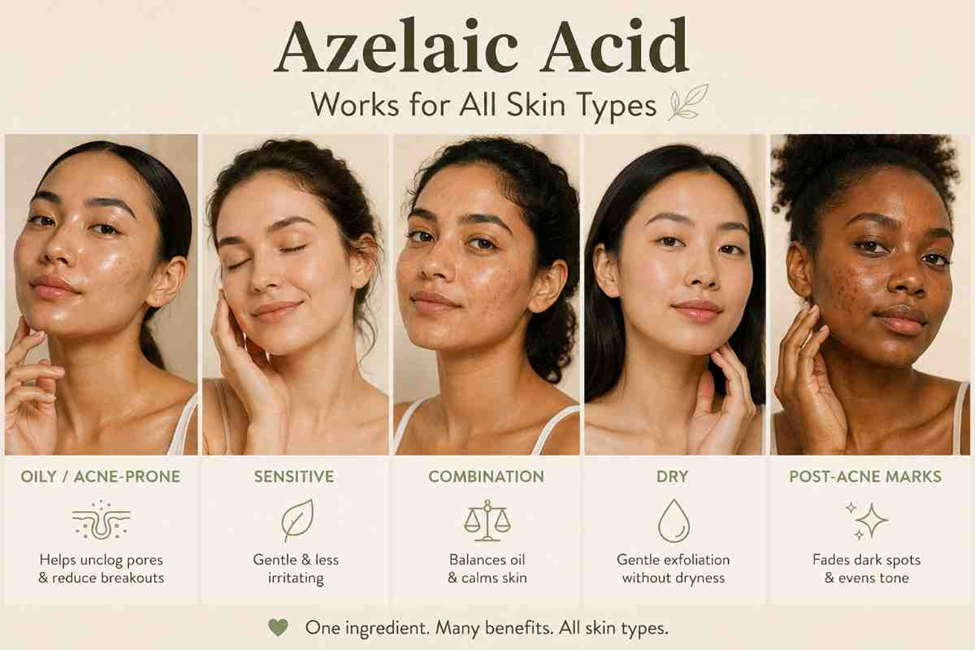
One major reason azelaic acid has become so wildly recommended is, because it fits a broad range of skin types, honestly it tends to work for a lot of people.
People with oily skin seem to enjoy it, because it supports the way clogged pores and breakouts kinda settle down. If your skin is more on the sensitive side, you might lean toward it too, since it tends to feel less aggressive than a lot of other exfoliating acids. And for those dealing with post-acne marks, it’s often liked for that slow, steady brightening effect rather than anything harsh and immediate.
This versatility of azelaic acid based products makes them kind of appealing to a larger audience, compared to those more niche acne treatments you only hear about now and then, it feels more accessible somehow.
People who are searching for a cream for pimple marks also often like the idea that azelaic acid can handle a bunch of issues at the same time instead of needing separate products for acne, that annoying redness, and discoloration, like pigmentation.
Patience Is One Of The Biggest Reasons It Works
One thing skincare communities keep repeating is consistency. Like, azelaic acid isn’t really marketed as some instant overnight rescue or miracle fix. Instead it starts to work, when you use it regularly and you stay patient about it. This realistic expectation has actually increased trust in the ingredient.
A lot of online conversations say there is usually visible improvement after a few weeks of use, not some instant dramatic change right away. People often seem to feel more at ease when they keep using a cream for pimple marks, mainly because the whole thing feels gradual, and it does not feel that harsh on the skin barrier. In other words, the process feels more steady than sudden.
The whole skincare industry is kinda moving into long term skin care mode, like not so much going for harsh correction all the time, more like keeping things steady and calm, and that matches really well with how azelaic acid works in the first place.
The Importance Of Pairing It With Barrier Support
Skincare experts often suggest mixing azelaic acid with hydration and calming, ingredients or something like that. The goal is to reduce irritation, while also helping the skin become healthier overall, yeah. When it’s paired with those more gentle components it tends to behave better, and the texture starts to look more steady.
Popular combinations include:
- Ceramides
- Hyaluronic acid
- Niacinamide
- Cica based moisturizers
- Sunscreen with high SPF
When it is used properly, azelaic acid can become a part of a more balanced skincare routine, instead of being treated like this isolated fix on its own, right? A lot of people who put on a cream for pimple marks often say they get better results when they don’t go overboard with exfoliating, and rather they keep hydration steady as well as supporting the skin barrier health, kind of like a calm steady background.
Why Younger Consumers Are Driving The Trend
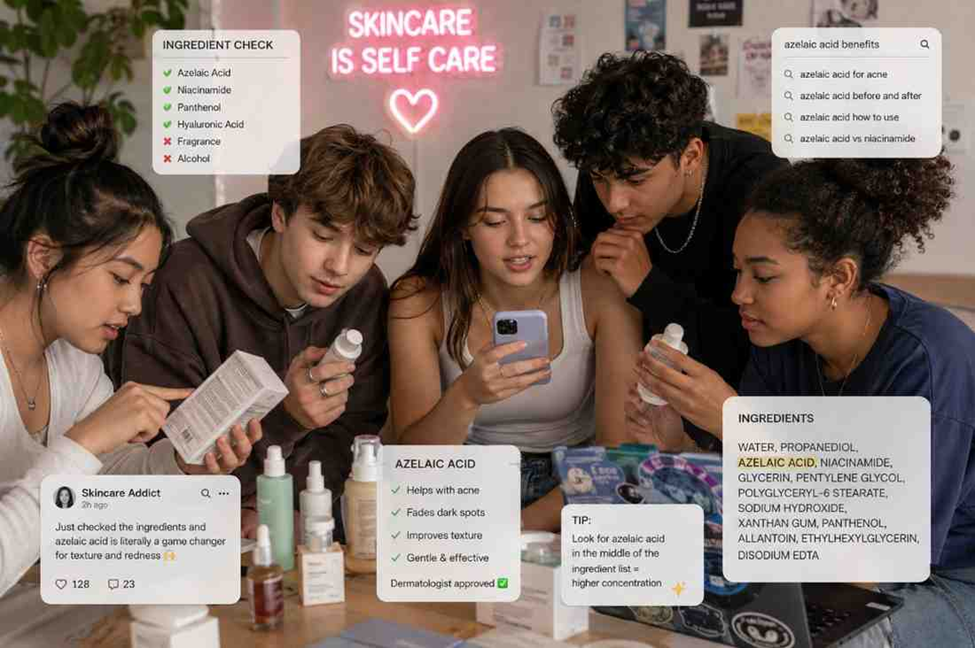
Gen Z and people who are even younger with skincare in mind are pretty pulled toward ingredients that feel grounded, like they come from real experiences as well as science backed results. They don’t just go with celebrity endorsements only, instead they look up what’s in the formula using dermatologist videos, posts from skincare communities, and other educational clips, kinda like step by step.
Azelaic acid benefits from this shift because it has:
- Scientific credibility
- Visible long-term results
- Community support
- Lower irritation risk
- Compatibility with minimalist routines
This is one reason the ingredient keeps showing up in skincare trend reports and online conversations, like somehow it just won’t stop.
Conclusion
The popularity of azelaic acid is not just some short-lived skincare trend either. It seems like it reflects a bigger shift in the way people do acne care and try to recover after breakouts. Consumers now look for ingredients that help skin feel healthier, not something harsh that strips it down for quick, “see results now” type of progress. and as more users post their real stories online, azelaic acid keeps getting more credibility for dealing with acne marks, redness, and that uneven skin tone situation, so overall it just sticks around.
Whether someone is dealing with those recurring breakouts or the longer lasting post acne pigmentation, a well formulated azelaic acid product can become this kind of useful addition to a skincare routine. It works in a gentle way, but still targets more than one concern, and it’s kinda why it’s getting talked about so much in skincare communities lately. A lot of people who are searching for a dependable blemish removal cream, azelaic acid based formulas are slowly becoming the go to direction for them, not just a random option.
FAQs
1. How long does azelaic acid usually take to show visible improvement?
Most users start noticing early improvements within 4 to 8 weeks of consistent use. Dark marks and uneven tone usually continue improving gradually over a few months with proper skincare and sunscreen use.
2. Can azelaic acid be used on sensitive skin?
Yes, azelaic acid is often considered gentler than many exfoliating acids. However, beginners should start slowly and pair it with a hydrating moisturizer to reduce the chance of irritation.
3. Is sunscreen necessary while using azelaic acid?
Yes, sunscreen is very important. UV exposure can worsen post-acne marks and reduce the effectiveness of skincare treatments aimed at improving uneven pigmentation.
4. Can azelaic acid help with both active acne and old marks?
Yes, that is one of its biggest advantages. It can help reduce acne-causing bacteria while also supporting gradual fading of post-acne discoloration and redness.
5. Why is California Skin+ Triple Action Acne Scar Clear considered helpful for acne marks?
California Skin+ Triple Action Acne Scar Clear is beneficial because it focuses on post-acne recovery while supporting overall skin balance. The formulation is designed to target visible acne marks, uneven texture, and lingering redness without feeling excessively harsh on the skin. Unlike aggressive treatments that may irritate acne-prone skin further, it works in a way that aligns with modern barrier-friendly skincare routines. Many users prefer products like this because they fit easily into daily skincare while helping improve the appearance of post-acne skin gradually and consistently.