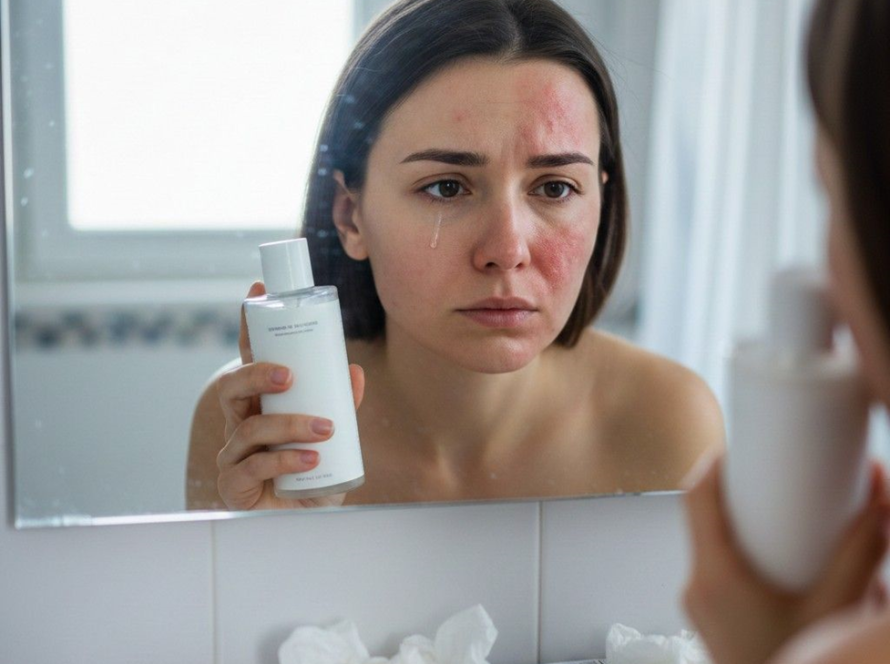
Most skincare advice sounds like it was written by a scientist in a cold, sterile lab, but when your face is literally melting off in 90% humidity, you don’t need a lecture, you need a plan that actually works. If you’ve ever experienced the transition from “winter itch” to “summer slick” in just a weekend, you understand how frustrating that might be. One day your skin will require a thick balm, while the next day that cream will feel like you have put an enormous amount of lard all over your forehead.
The transition from a cold, dry environment to hot, humid conditions causes a great deal of strain on your body as well. We can’t overlook that it’s not only the temperature change but the way that your skin attempts to breathe in these situations. Since winter is dry, the moisture in the air is being sucked out and we use a lot of heavier oils for protection. The summertime is a completely different story; the air is already full of moisture and therefore has little to no ability for your sweat to evaporate into the air. Instead, your perspiration sits on your body, combining with dirt, old sunscreen, and oil to create a “trash fire” for your pores.
The key to avoiding seasonal breakouts is strategy. Therefore, you shouldn’t focus on doing less; you should focus on maximizing your intelligence when layering products. Below is a summary of how to deal with the heat without the drama.

The Science of Why Your Face is Suddenly Oily
Why do we turn into oil slicks the second the sun comes out? It’s actually pretty simple physics. Think of skin oils as similar to butter at lower temperatures, they are solid and firm, but as the temperature increases, those oils will “melt” (i.e. become liquid), thus allowing for an easier flow of the oils.
When humidity increases, our sweat glands are working overtime to cool down our bodies. When that salty sweat meets the high-flow of oils produced by our skin, it creates a film of oil/sweat that acts as a “cap” over the surface of our skin. If bacteria find their way under this cap, they also will multiply and thrive because they love warm, moist and oily spots with no access to oxygen. This is one reason why many people experience deep, painful “seasonal change” bumps and pimples that take forever to heal.. According to dermatological research, even a small rise in temperature can lead to a significant spike in sebum production which causes your skin to change its chemical composition in response to the weather conditions.
Step 1: Swap the Cream for the Suds
In the dead of winter you can use a milky, non-foaming facial cleanser to protect your dry skn barrier, but attempting to use this same product in July is like trying to use a damp paper towel to clean a greasy pizza pan it simply doesn’t make sense.
This is the perfect time to bring in a foaming cleanser for acne. You need a product which removes skin impurities but maintains your skin’s natural moisture balance. You should choose facial cleansers which contain betaines as their main ingredient instead of using harsh sulfates.They give you that satisfying foam that lifts away the SPF residue and sweat without stripping your skin to the point of irritation.
If you’ve been layering on water-resistant sunscreen, I highly recommend a double-cleanse at night. Start with a light micellar water to break down the surface film, then hit it with your foaming wash. The process needs to be completed through this particular method because it is the only method which verifies your pore status before you sleep.
Step 2: Deep-Clean Your Pores (The Chemical Way)
We use scrubs and lactic acid during wintertime to eliminate dry flakes from our skin.But summer skin needs a different kind of “housekeeping.” You need an ingredient that can actually get inside the oil-filled pore to dissolve the clog.
Enter the salicylic acid serum. Salicylic acid is oil-soluble, which is a fancy way of saying it can dive into the grease traps in your T-zone and break up the “glue” holding dead skin cells together. It’s basically a liquid vacuum for your face.
Research indicates that regular application of 2% BHA which contains salicylic acid leads to a 40% reduction of inflammatory acne. During this humid transition period you should use the product three times a week at nighttime. The product prevents the development of tiny hard whiteheads which would otherwise emerge. The skin peeling warning indicates that you have exceeded your product usage limits. You should reduce your activities. You should achieve clear skin instead of having your skin become inflamed.
Step 3: Hydrate Like You’re Drinking Water
People who skip using moisturizer display their biggest error because they believe their skin feels oily. Your skin reacts to water deprivation by entering a state of panic. The body produces more oil because it believes it needs to defend against actual dehydration. The condition known as reactive seborrhea creates an ongoing nightmare for the affected individual.
The solution for your moisturizer issue requires you to select a different product. The heavy creams need to be replaced with a “water-gel” which should be used instead. The products contain multiple ingredients which include glycerin and hyaluronic acid. Your cells receive hydration through a water solution which contains no heavy oils that would create facial heat retention.
You need to search for “non-comedogenic” terms when you examine product labels.. This just means it won’t block your pores. The summer hero property of Niacinamide should be monitored because it controls oil production while preventing your pores from becoming visible as craters.
Step 4: Stop the Sunscreen Choking
The sunscreen exists which creates a sensation that resembles a cement mask which has been applied to the skin. The product remained tolerable during winter months but it will definitely cause breakouts during hot and humid conditions.
You should choose sunscreens which display the terms “fluid” or “milk” because these products contain watery ingredients. These sunscreens create a thin layer which dries to a matte finish therefore you will not appear like a disco ball after noon. The summer health benefits of mineral sunscreens with Zinc Oxide actually perform well because Zinc operates as a natural anti-inflammatory. It helps calm the redness that usually flares up when you’re overheated.
The UV index now reaches higher levels compared to previous times. 80% of those rays will continue to reach you on a “cloudy” day. For people who dislike applying cream on their makeup, SPF powder and light mist products serve as good alternatives. The product provides better protection than nothing while it assists in eliminating your 3:00 PM shine.
Step 5: Don’t Pick the “Heat Bumps”
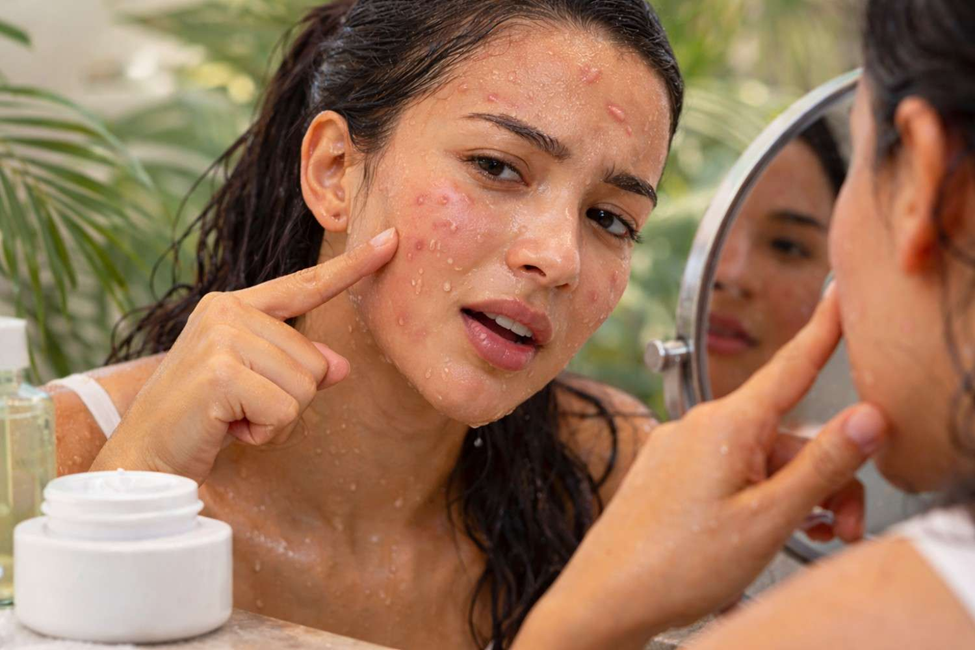
You should avoid pimple extraction when a pimple appears because it will follow your efforts to eliminate it. Humidity and heat conditions lead to increased skin sensitivity which results in skin inflammation. If you pick a pimple in the summer, you’re almost guaranteed a dark spot that will take months to fade.
Instead, slap on some acne patches for pimples salicylic acid. These patches are literal lifesavers. They suck the “gunk” out while you sleep, keep you from touching the area with sweaty fingers, and deliver a hit of salicylic acid directly into the clog.
A study from the National Institutes of Health (NIH) found that even a 10-degree rise in temperature can mess with your skin’s microbiome, the “good” bacteria that live on your face. You aren’t just fighting oil; you’re fighting a change in your skin’s entire ecosystem. You can check out more of the nerd-level science in this comprehensive NIH study. (Source)
Step 6: Real-World Habits for Clearer Skin
The sixth step demonstrates real-life activities which help people achieve better skin results. Skincare requires more than products which come in bottles and serums. The three elements for your assessment need to be checked if your skin suffers because of high humidity conditions.
- The Pillowcase Rule: You sweat way more at night in the summer. Your pillow absorbs sweat and hair products which you will later transfer back onto your skin. You should use breathable materials such as silk or bamboo and replace them after two days.
- The Sugar Watch: The intake of sugary iced coffees together with refined carbohydrates causes your body to produce higher insulin levels which instructs your skin to generate additional oil. Your oil glands already operate at full capacity when the temperature reaches 90 degrees.
- The Cold Rinse: The water should be adjusted to a cooler temperature at your shower’s conclusion. The treatment effectively brings down blood vessel activity while reducing the appearance of facial redness and providing relief after a day of high temperatures.
Conclusion
Your skin functions as a protective barrier which defends you against environmental dangers. Your daily skincare routine requires adaptation according to the needs of your skin. The face should be decongested through removing facial products. Your body needs water because you experience tightness yet your body shows shiny skin. The combination of a foaming wash and salicylic acid for pore maintenance together with a water-based moisturizer will help you maintain a clear complexion during humid weather.
FAQs
1. Is it okay for me to use oil during summer time?
Yes, just use “dry” oils such as squalane and apply one very small drop in the evening
2. Why did I break out as soon as it got warm?
People develop seasonal acne because their skin creates more oil which mixes with sweat and gets stuck on their face. A foaming cleanser usually sort it out in a few days.
3. Do I need to apply moisturizer when I sweat?
Yes you need to use moisturizer during your sweating process. Sweat contains only salt and water which does not provide body hydration.
4. How do I reapply SPF when I’m sweaty?
Don’t apply new sunscreen over the top of dirty, sweaty skin. First, blot your skin using a clean tissue, and then you can use a spray-on sunscreen.