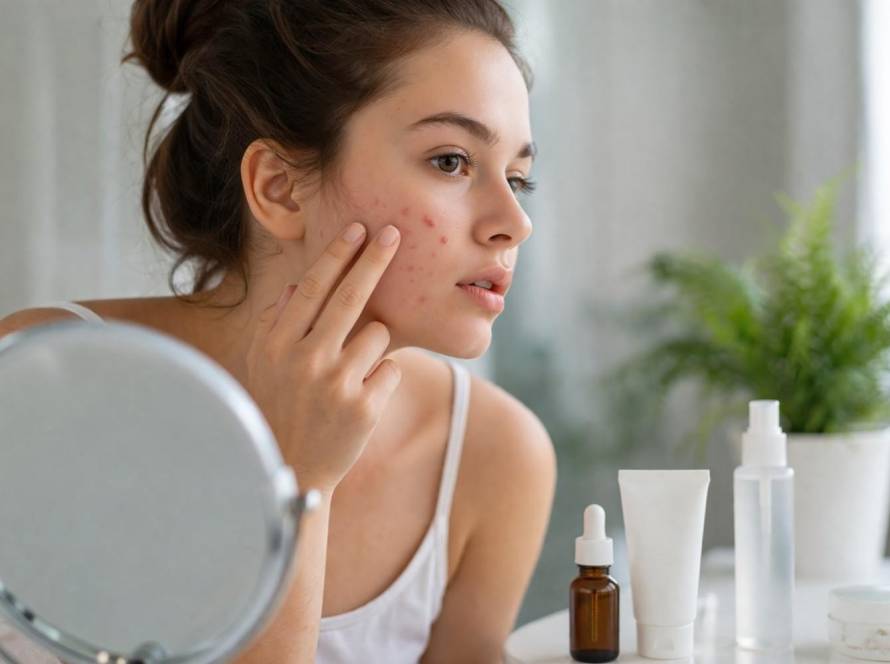
Most folks know they should wear sunscreen, but far fewer actually know how to use it right in real life. Like, questions about when to put it on, how often to redo it, whether it even matters while indoors, and what amount counts as “enough” come up all the time. The truth is that sunscreen works best when it slides naturally into your daily rhythm. Whether your days are spent in an office, commuting to work, out there exercising, or just lounging around on weekends, having a workable sunscreen routine really changes everything. And if you’re trying to sort out the right anti acne sunscreen, it can be a little easier, especially if you’ve got oily skin or skin that’s really prone to breakouts. You might want proper coverage, with a real shield, without that sticky, greasy feeling.
Sunscreen advice can feel kinda overwhelming, and honestly it is a lot to juggle. Some folks end up deciding they have to run the entire reapplying routine, like every hour, no matter what they are doing at the moment. Others insist that just one application in the morning is enough for the whole day. But the real answer is kind of in between, because you really need to know when to apply it, when you should do the next layer, and when you can kind of ease off for a bit. If you get that rhythm right, you help protect your skin without turning sunscreen into a full time chore.
Why Sunscreen Matters Every Day
Most people only really remember sunscreen when they are headed to the beach, or when they’re planning some long time outdoors. But ultraviolet light brushes the skin all year round, even when it’s cloudy, so it’s not truly just a summer thing or anything like that. UVA rays slip through clouds and windows too, and that’s part of why you get early wrinkling, along with unwanted dark patches. UVB rays are mostly the reason you get that classic sunburn, and they can also add to longer term skin harm.
Daily sunscreen use can help:
- Prevent sunburn
- Keep from aging too soon
- Lighten dark spots and even out skin tone
- Support healthy skin barrier function
- Lower the risk of skin cancer
When you’re dealing with breakouts, using an anti acne sunscreen is kinda really important, because those acne treatments can leave your skin a little bit more vulnerable to sunlight .
When To Put On Sunscreen
Timing kind of matters way more than most people think. It’s best to put on sunscreen 15 or 20 minutes before you actually go outside in the sun, not right at the door. That little window allows time for the protective ingredients to do their work, to settle down a little bit and then spread out more evenly across your skin.
For most people, sunscreen should be the last sort of step in the morning skin care routine. A usual little routine, might look like this:
- Cleanser
- Treatment serum
- Moisturizer
- Anti acne sunscreen
- Makeup if desired
Applying sunscreen last kinda ensures it makes a steady, protective film on the skin, sort of basically. If you start using stronger actives like retinol, or salicylic acid, glycolic acid, or benzoyl peroxide then a daily anti acne sunscreen becomes kinda more important even more crucial, because those ingredients can cause extra light sensitivity, and that’s where the trouble starts.
How Much Sunscreen Should You Use?

One of the most common slip ups is using too little sunscreen , and the studies keep pointing to that most people generally apply a pretty smaller amount than what they check in SPF tests, which explains the whole mess.
For adequate coverage, dermatologists usually recommend a fairly consistent approach.
- Two finger lengths of sunscreen for the face and neck
- A shot-glass-sized amount for the entire body
Using less than the recommended amount means you could end up with far less protection than the SPF number says on the packaging, and honestly it can feel kind of confusing because you think it’s the same, but it’s not.
Fortunately, a bunch of modern sunscreens for acne prone skinare pretty light weight and easy to spread, so it kinda makes it easier to put on the right amount, without feeling too uncomfortable .
Understanding the Two-Hour Rule
The suggestion to reapply sunscreen every two hours, sometimes makes people kind of confused. Even though that instruction is basically correct, the context matters more than it sounds, and people forget it. Whether you need to reapply sunscreen really depends on how much sun you are getting and on the things you’re doing outside.
If you’re inside most of the day, especially away from windows, the protection won’t break down at the same pace as it would when you’re outdoors. But, if you’re sweating a lot or you’re swimming, or you’re in direct sunlight, the effect can drop much faster, and it may feel like it “disappears” quicker. That two-hour rule is more like a useful hint for when you’re actively in the sun, not some universal law that fits every situation, every time.
Real-Life Sunscreen Scenarios

Different ways of living need different kinds of sun protection strategies , like you cant just pick one and be done. Sometimes people go for quick cover, other times they do a more diligent routine, not always for the same reasons.
Office Workers
If you put on sunscreen in the morning, and then it turns out you stay around for most of your day, you might not need to reapply too often. But if you’re parked next to those big windows, take your lunch break outside, or you commute during the brightest part of the day, then a quick touch up before you head back could help, maybe more than you expect.
A lightweight anti acne sunscreen tends to work really well for office settings too, because it’s easy to layer comfortably, without that kind of heavy, sticky vibe.
Daily Commuters
People who walk, cycle , or use public transportation often end up with more overall sun exposure than they realize , kind of without noticing it at all. If you’re commuting, both in the morning and in the evening, it might help to re-apply sunscreen before you leave work, especially when it’s summer. Picking an anti acne sunscreen that dries fast , and absorbs quickly, can make the re-up part easier , even if your day feels pretty chaotic.
Outdoor Exercisers
If you run, cycle, hike, or play sports outside, sunscreen reapplication becomes really more important, like you should not just assume it’s enough.
Sweat can make sunscreen less effective, as time goes on. Water resistant formulas are handy, but they still need reapplication, per the label instructions.
Putting on an anti acne sunscreen before you exercise and reapplying afterward helps keep the same steady coverage.
Beach Days and Vacations
Beach days take the most careful, sunscreen attention. Water, sweat and towel drying, they kinda strip it off the skin, like, right away.
If you stay outside for a longer time, then put on sunscreen again every two hours, and also do it right after you swim, or when you’ve been sweating too much.
Statistical Insight: Most People Don’t Use Enough Sunscreen
Research put out by the American Academy of Dermatology kind of shows that most people really just apply around 25% to 50% of the sunscreen amount they’re supposed to use in SPF testing. And so, because that daily application is lighter, the real-world protection they end up getting is often a lot lower than what most folks assume.
This really shows why the right application techniques matter just as much, or even more, than picking a high SPF product, because without that, the whole protection can get weirdly reduced.
A Quick Sunscreen Reapplication Guide
| Situation | Initial Application | Reapplication Needed? |
| Working indoors away from windows | Morning | Usually not necessary |
| Working near windows | Morning | Consider midday reapplication |
| Daily commuting | Morning | Before evening commute |
| Outdoor exercise | Before activity | Every 2 hours or after heavy sweating |
| Beach or pool day | Before exposure | Every 2 hours and after swimming |
| Driving long distances | Before driving | Reapply for extended trips |
| Hiking or outdoor events | Before exposure | Every 2 hours |
What About Sunscreen Indoors?
One of the more common questions is, whether sunscreen is really necessary when you’re indoors or, hanging around inside all day. If you’re staying in a totally windowless room all day then your UV exposure is pretty low. But a lot of homes and workplaces have big windows, and those can let UVA rays come through ,so if you’re working pretty close to the glass or spending a decent amount of time driving, you might still build up a cumulative UV exposure over time. That’s why many dermatologists suggest making an anti acne sunscreen a daily habit even if you don’t really plan on being outside for long.
Can Makeup Replace Sunscreen?
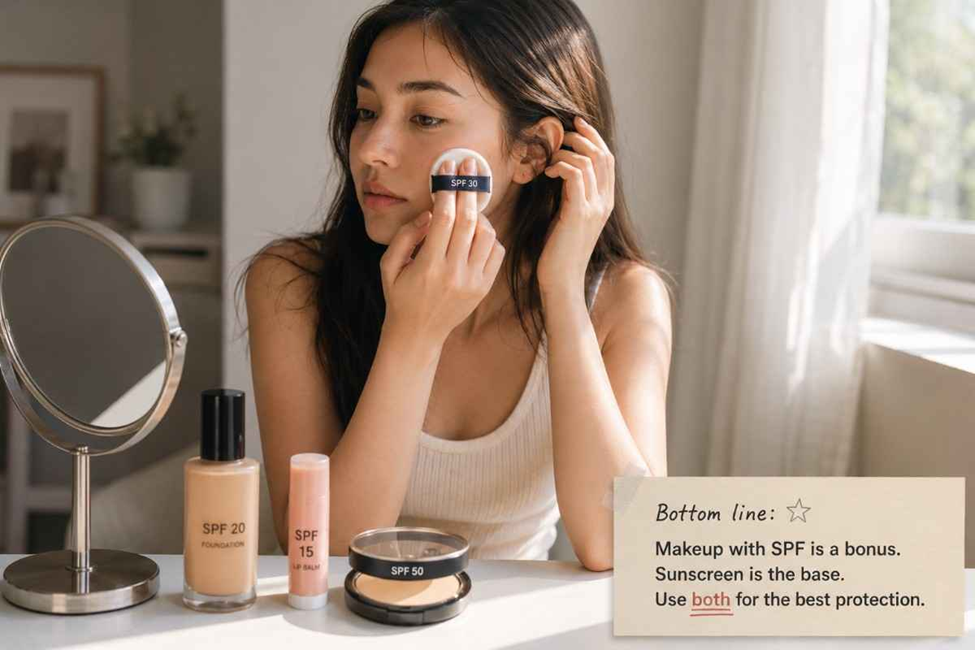
A lot of makeup products these days come with SPF included, but honestly they shouldn’t be treated as your main sort of sun shielding. If you wanted the SPF number on the label to really work out, you’d have to use a far bigger amount of foundation or powder than most people ever end up using. So, think of SPF makeup as an extra bit, not a replacement, for anti acne sunscreen. Putting sunscreen under your makeup gives you a more dependable protection level, in a way that’s just easier to trust.
When Can You Relax?
Sunscreen is important, but it should not turn into this sort of source of stress.If you put it on properly in the morning and then most of the day you were indoors, you probably don’t need to start freaking out about perfect re-application timing, right away.
Also, every now and then someone kind of forgets a step, which is just normal. Solid sun protection is more about steady habits over time not about being perfectly on schedule every single day. And honestly, building a sustainable routine with anti acne sunscreen is more valuable than chasing an unrealistic schedule that ends up being hard to stick with, for weeks and then stops.
Conclusion
The best sunscreen routine is the one that fits kind of naturally into your everyday life. Put sunscreen on before sun exposure, use enough product to really cover your skin properly and then reapply when prolonged time outside comes up, when you start sweating, or when you go swimming. At the same time, keep in mind that sunscreen doesn’t have to turn into a kind of anxiety engine. If you pay attention to what you do each day, you can make smarter decisions about protection, without creating extra stress. No matter if you’re mostly in doors, mostly out doors, or kind of in between, a top notch sunscreen cream can help keep your skin safeguarded, healthy and comfortable all year long.
FAQs
1. Do I need sunscreen even on cloudy days?
Yes. UVA rays can penetrate clouds and continue affecting your skin even when the weather appears overcast. Daily sun protection remains important regardless of visible sunshine.
2. How long should I wait after applying sunscreen before going outside?
Most sunscreens should be applied 15 to 20 minutes before sun exposure. This allows the product to form an even protective layer on the skin.
3. Is sunscreen necessary if I stay indoors all day?
If you are completely away from windows, UV exposure is minimal. However, if you sit near windows or spend time driving, daily sunscreen use can still provide valuable protection.
4. Can California Skin+ Cica Sunscreen SPF 50 PA++++ fit into a practical daily sunscreen routine?
Yes. California Skin+ Cica Sunscreen SPF 50 PA++++ is particularly well-suited for everyday use because it combines broad-spectrum protection with a lightweight feel that does not overwhelm the skin. The cica-based formula helps support skin comfort, while the non-greasy texture makes regular application and reapplication much easier. For people who want reliable sun protection without a heavy or sticky finish, it can fit seamlessly into both skincare and makeup routines.
5. Should I reapply sunscreen if I am wearing makeup?
Yes. If you have been outdoors for extended periods, sunscreen should still be reapplied. Many people use sunscreen sticks, cushions, or sprays designed for easier reapplication over makeup without significantly disturbing their look.