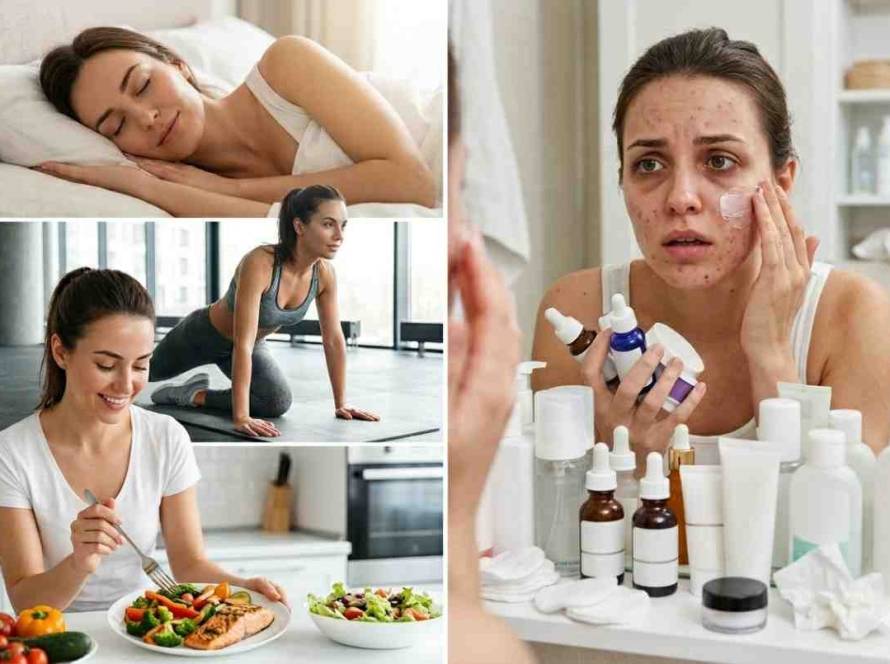
Have you ever noticed how some pimples kinda fade away on their own, no big deal ,almost unnoticed, but then others feel like this sore bump, like it’s parked deep under your skin or something, and it just won’t chill. It’s because not all acne develops the same way. A few breakouts are mainly clogged pores, quiet on the surface, while others set off deeper inflammation and then everything gets swollen, tender, and plain uncomfortable. Once you get a handle on the kind of acne you have, you can choose skincare that actually helps a lot more with those random spots, or when you just need a bit of backing from an acne drying lotion, to manage the more noticeable breakouts.
Why Some Breakouts Hurt More Than Others
The pain you feel from a pimple kind of depends on how far the inflammation goes, deeper under the skin like way down in there. Sometimes it’s just surface irritation, other times it gets more involved.
Like, if a pore gets clogged up with oil, dead skin cells and also bacteria, your body can react and turn it into an inflammatory thing. It can feel kind of sore or sharp, not always but often, just because it sits deeper than people expect. The further that reaction sinks, the more pressure builds within the skin, so that’s why a pimple can feel sore even before it ever shows up, clearly.
Breakouts that stay more on the surface, such as whiteheads or blackheads tend to be less painful, because they’re sitting nearer the skin’s outer layer. But inflammatory acne, things like papules, pustules, nodules, and cysts, can reach into deeper layers of the skin, and that usually brings redness, swelling and tenderness with it.
A lot of people assume that a bigger blemish always equals worse acne, but pain is often a better sign of how much inflammation there is. A small red bump under the skin can hurt more than a very visible whitehead, just because of where it starts and how the tissue gets involved.
Understanding the Different Types of Acne and Why They Feel Different
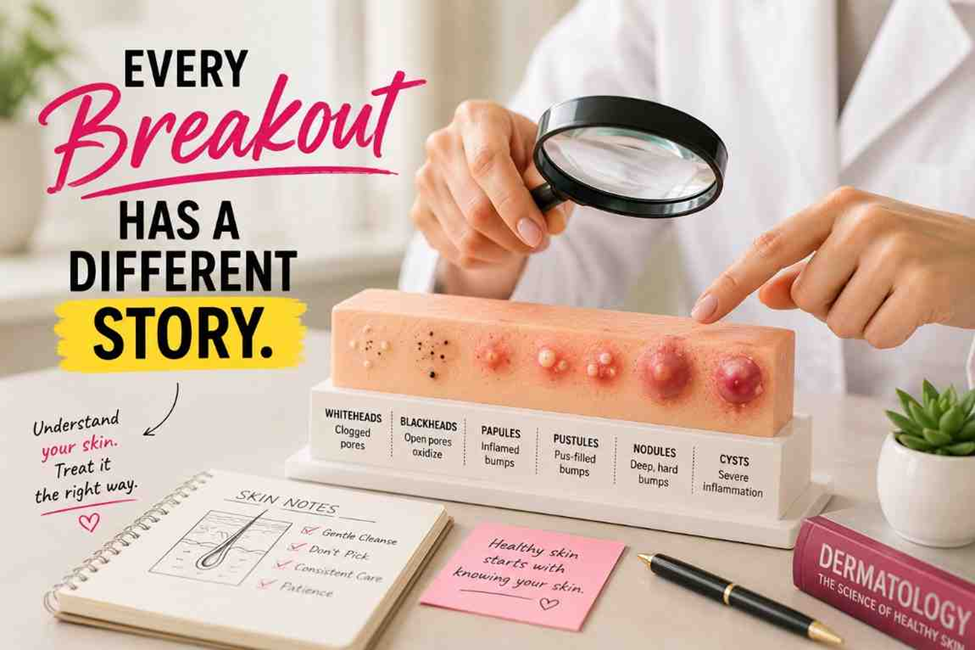
Acne is generally split into two categories, non inflammatory and inflammatory, almost like two different roads, but it can be a messy business. The non-inflammatory type is mostly linked to clogged pores, like there’s debris sitting there and not moving on. With inflammatory acne, it’s more when the skin’s own immune defenses begin to respond to irritation or bacteria that end up trapped inside the pore, and then everything turns a bit reactive.
The different types can develop in different ways, so they don’t really feel the same. A blackhead might look pretty obvious but it often feels basically like nothing, while a deep cyst can be painful even before you can actually see it.
Here is a breakdown of common acne types:
| Acne Type | Appearance | Pain Level | What Causes It |
| Whiteheads | White or skin-colored small bumps | Low | A closed pore becomes clogged with oil and dead skin cells |
| Blackheads | Dark spots on the skin | Low | An open pore reacts with oxygen, causing the dark appearance |
| Papules | Small red raised bumps | Moderate | A clogged pore becomes inflamed |
| Pustules | Red bumps with white or yellow centers | Moderate to High | Inflammation creates pus formation |
| Nodules | Large hard bumps under the skin | High | Deep inflammation affects surrounding tissue |
| Cysts | Painful swollen lumps beneath the skin | Very High | There is some severe inflammation deep in the skin |
Acne is often sorted into non inflammatory and inflammatory types, kind of like two different roads but once you’re in the real world it gets messy pretty fast. The non-inflammatory type is mostly linked to clogged pores, like there’s debris sitting there and not moving on. With inflammatory acne, it’s more when the skin’s own immune defenses begin to respond to irritation or bacteria that end up trapped inside the pore, and then everything turns a bit reactive .
Why Cystic Acne and Nodules Are So Painful
A bunch of the most painful pimples are the ones that kind of simmer underneath the skin, not necessarily the ones that pop up right away. Nodules and cysts grow deeper in the skin, and that also adds pressure and inflammation, so they can feel rather touchy when you tap them, even if you do it real gently.
With a regular surface breakout, things look a certain way, but here the pimples may not show any obvious whitehead. Instead, they just feel like hard bumps that stay under the skin, for days and sometimes even weeks, kind of stubborn like that.
Since these acne types are driven by deeper inflammation, surface-level treatments might not behave the same, like they don’t fully get the job done. A more targeted routine, aimed at soothing the look of the active areas, often works better.
If someone is dealing with painful breakouts only now and then, an acne drying lotion can be a handy add-on to a skincare routine, because it focuses on each blemish individually, rather than spreading harsher ingredients all over the whole face.
The Role of Inflammation in Acne Pain
Inflammation is one of the biggest reasons some pimples feel worse than others. When oil, dead skin cells, and bacteria get kind of trapped inside a pore the body reacts, by sending immune signals to that spot. Then you can see redness, swelling, and that annoying sensitivity, it’s pretty much the “hurts” part.
Inflammatory acne can usually pop up as papules, pustules, nodules ,and cysts or whatever, kinda. And it’s not just the usual clogged pore situation, because the skin around the spot also gets pulled into it ,so there’s this deeper soreness that comes along with it. So yeah, squeezing those painful pimples can backfire. The extra pressure might intensify irritation, push the inflammation further inward, and may even lead to lingering marks afterward.
A calm skincare routine that supports the skin barrier , and sidesteps unnecessary irritation can help you manage how breakouts look over time. And if you want a targeted option, an acne drying lotion used as a spot solution can help aim at the visible blemish, without throwing off the rest of your routine.
How Spot Treatments Work on Different Acne Types
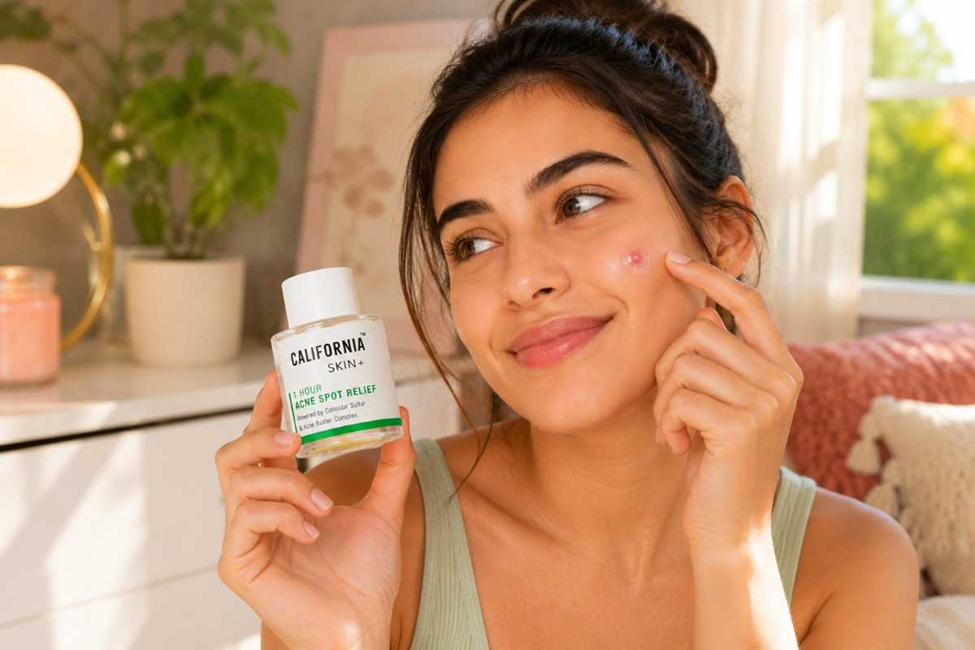
Spot treatments are meant to hit individual pimples, rather than messing with the whole face, so yeah. They tend to work especially well when one single breakout shows up sort of out of nowhere.
How well a spot treatment works can vary a bit depending on the acne type. Surface-level pimples tend to look like they’re getting better faster, kind of, because the trouble is mostly close to the skin surface. Deeper acne, like cysts or nodules, usually needs more patience. It’s that the inflammation is happening under the skin, not right on top , so the timeline feels slower.
An acne spot treatment generally supports a more polished looking skin around specific blemishes. A lot of acne focused formulas are built to manage extra oil, tone down the look of redness, and help the healing process along for those visible spots.
Acne Types Explained: Insights
Acne can show up in different forms for different causes, and it really should not be handled the same way across the board. This piece notes that acne can range from clogged pores, like blackheads and whiteheads, to deeper inflammatory types such as nodules , and cysts , which are more intense.
The reason this difference matters is that deeper acne usually involves more inflammation, so it often feels sore or painful , and it tends to take longer to calm down . If someone can figure out whether a flare up is mostly from clogged pores or more from inflammation, then they can make smarter skincare decisions, instead of guessing and hoping it works out.
Choosing the Right Skincare Approach for Different Pimples
Figure out what kind of acne you’re dealing with, that’s like the very first thing toward putting together a routine that actually fits.
- Like for instance, if you notice whiteheads and blackheads, you might do better with ingredients that help with pore maintenance, not just “general cleansing.”
- On the other hand, papules and pustules often want products aimed at skin that looks inflamed, kind of red, and irritated.
- And nodules plus cysts usually call for professional guidance, especially when they show up often, or seem to keep returning.
If it’s more occasional breakouts, then sticking to a focused treatment, such as an acne drying lotion, can help zero in on certain trouble zones while not throwing off the rest of your skincare plan.
Why Some Pimples Appear Overnight and Become Painful
A common thing is going to sleep with skin that looks pretty clear and then waking up to a swollen, sore pimple. It usually works out kind of like this, acne often begins making itself underneath the skin first, before it ever really shows up where you can clearly see it.
As the irritation is building up, there’s more pressure piling up around that area , so the pimple ends up feeling a bit sore, almost like it’s pushing outward from inside. If you get to it early, you can sometimes reduce how obvious the forming breakout ends up being.
Using an acne drying lotion the moment a blemish shows up, can help the skin look more composed and less irritated. It may also reduce that instinct to keep touching or squeezing the spot too much.
Conclusion
Painful pimples are usually from deeper inflammation , so yeah it kinda makes sense that some kinds of acne just feel way worse than others. While whiteheads and blackheads can be kind of easier to deal with, inflammatory acne like papules, pustules, nodules and cysts really needs a firmer sense of what’s going on, under the skin. If you stay consistent with a skincare routine , stick with calm little habits, and choose products that are more on target, it can help guide your complexion toward a healthier appearance not only for a short while. And when someone gets those sudden breakouts, anovernight pimple corrector might be a handy add on too, because it helps back the appearance of clearer skin while the spots settle down and recover.
FAQs
1. Why do some pimples hurt more than others even when they look small?
Some pimples hurt more because the inflammation is happening deeper inside the skin. A small bump may actually be a developing nodule or inflamed spot beneath the surface. The pressure created inside the skin can make it feel painful even before the breakout becomes large or visible.
2. What is the difference between a normal pimple and inflammatory acne?
A normal pimple usually refers to surface-level breakouts such as whiteheads and blackheads caused by clogged pores. Inflammatory acne includes papules, pustules, nodules, and cysts, where the skin reacts with redness, swelling, and discomfort.
3. How can California Skin+ 1 Hour Acne Spot Relief help with painful pimples?
California Skin+ 1 Hour Acne Spot Relief is designed as a targeted acne spot treatment that focuses on individual blemishes. In the context of painful pimples, its benefit comes from helping address visible breakout areas quickly while supporting the appearance of calmer, clearer-looking skin without requiring a full-face treatment.
4. Should you pop a painful pimple to make it disappear faster?
Popping a painful pimple can increase irritation and may push inflammation deeper into the skin. It is usually better to avoid touching the area, maintain gentle skincare habits, and use suitable spot treatments designed for blemish care.
5. When should someone get professional help for painful acne?
Professional guidance may be useful when acne becomes frequent, painful, leaves marks, or appears as deep cysts and nodules. These types of breakouts may need a more personalized approach than regular skincare products alone.