If you have acne-prone skin, you probably have heard some pretty conflicting stuff about sunscreen. Like, some folks insist that sunscreen can cause breakouts. Other people swear that acne treatments are enough so you can skip sunscreen, because they “never go out” or stay indoors most of the time. Social media really does turn a complicated skin topic into this quick yes or no fight, and it’s rarely that simple. Honestly, the truth is more nuanced than it sounds. An anti acne sunscreen is meant to help guard the skin from UV damage, while also making it easier to keep the risk of clogged pores, stinging irritation and extra oiliness pretty low. Yet, tons of misconceptions get in the way, and they stop people from using it the right way, or even picking the best kind of formula first off which is kind of a big deal.
Managing acne is rarely just about one product, you know. It’s more like figuring out how several things keep interacting with your skin, almost like this chain reaction vibe. Sun exposure and inflammation, plus pigmentation, skin barrier health, and the way you choose products all count, a lot, more than most people think. And if someone misunderstands sunscreen, they can end up making their acne worries stronger, not calmer, kind of without even noticing.
Common Misunderstandings About Anti Acne Sunscreen
Misunderstanding #1: Sunscreen Causes Acne
This is probably the most common belief surrounding anti acne sunscreen, like people say it causes breakouts or whatever. But what actually happens is a bit more messy. Some sunscreen formulations may not suit certain skin types, yes, even if it’s “for acne” on the label.
A heavy, greasy sunscreen can feel really uncomfortable on oily skin and in some people it may contribute to congestion. Still, that doesn’t mean sunscreen itself causes acne, not in the simple way folks talk about it. Like, there’s nuance.
Honestly, a lot of these modern formulas are made kind of for skin that’s prone to acne, so they’re usually built with lighter feels, oil-control tech, and ingredients that help reduce the chances of pores getting clogged. So, if you notice breakouts after using sunscreen, then most times it’s more about that particular formulation, or that sunscreen for you, not really sunscreen as a whole, category.
Misunderstanding #2: If You Have Acne, You Don’t Need Sun Protection
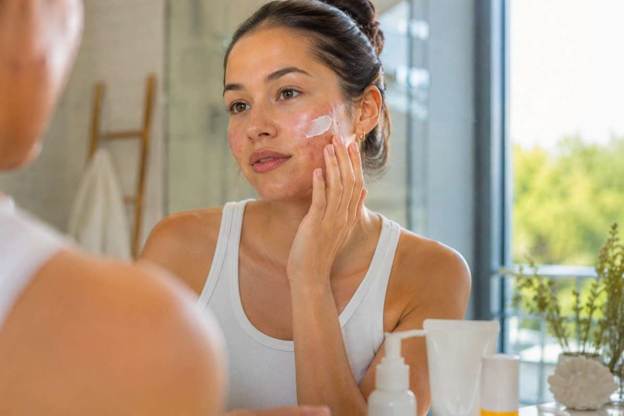
Some people think that sun exposure can dry out pimples, so sunscreen feels kind of unneeded. Sure, sunlight might for a bit reduce surface oiliness, but longer UV exposure can set off inflammation and make post-inflammatory hyperpigmentation (PIH) worse, like the dark patches don’t just stay quiet. Those dark marks that are left behind after the pimples heal often become even more obvious once ultraviolet radiation hits them.
This is one reason dermatologists often suggest an anti acne sunscreen type product as part of your acne management plan. When the skin that’s healing gets protected, the look of leftover staining tends to fade more evenly over time.
Misunderstanding #3: Higher SPF Means Better Acne Treatment
SPF measures protection against UVB radiation, but it doesn’t really tell you how well a product works for acne-prone skin. Lots of people just kind of assume that SPF 100 means it’s automatically better than SPF 50, you know. Yet in the real world texture, how it wears, what ingredients are chosen, and how reliably you use it matter far more.
Sometimes a well-made anti acne sunscreen with SPF 50 that you actually like wearing every day can end up being way more helpful than a thicker SPF 100 option that just stays in a drawer.
Misunderstanding #4: Sunscreen Makes Oily Skin Even Oilier
This misconception comes from older sunscreen formulas that often felt thick and greasy , like kind of heavy. Modern anti acne sunscreen products often include oil absorbing ingredients and use a light gel or fluid feel. Some products even make a more matte look across the day, instead of that shiny finish. People with oily skin sometimes notice that switching the formulation entirely changes the whole sunscreen experience. The tricky part is, the issue isn’t always the sunscreen itself, it is sometimes just the incorrect sunscreen for your skin .
A Quick Comparison of Common Beliefs
| Common Belief | Reality |
| Sunscreen always causes breakouts | Not every formula will work for every skin type, but many are formulated specifically for acne-prone skin |
| Sunlight clears acne permanently | Sun exposure can, over time, make inflammation and pigmenting worse, like it kind of accelerates the whole thing in your skin, and you might notice more darkening later on. |
| Higher SPF treats acne better | SPF measures UV protection, not acne-fighting ability |
| Oily skin should skip sunscreen | Oily skin still requires daily UV protection |
| Indoor workers do not need sunscreen | UV exposure can still occur through windows and daily activities |
Misunderstanding #5: Acne Treatments Replace Sunscreen
A lot of acne treatments can make the skin a bit more sensitive to sunlight, sort of like it “remembers” the UV stress more easily. Some ingredients, for example retinoids, benzoyl peroxide, glycolic acid, and salicylic acid can end up leaving the skin more prone to UV irritation, so without real protection the redness and dark marks might stand out more.
That’s basically why anti acne sunscreen is often seen as a helpful add on rather than a totally separate skincare category. It kind of works along with your acne routine, by helping the skin barrier stay strong while everything is still healing.
Misunderstanding #6: Mineral Sunscreens Are Always Better For Acne
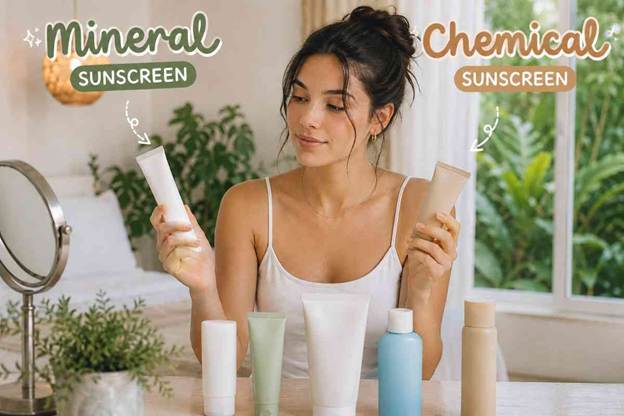
Some people sort of assume mineral formulas are always better for acne-prone skin, like it’s just a given fact. But honestly the truth is more tangled than that, there’s more going on and it depends.
Mineral and chemical filters can both work pretty well, depending on the formulation, and also on the person’s skin. Acne- prone skin, doesn’t really act the same on everyone, it changes a lot. What feels easy and non irritating for one person might not feel quite right for another, or maybe it starts this little irritation thing.
Instead of focusing just on the filter type, it’s often more useful to actually judge, in a more grounded way, things like: overall performance and real-world impact, rather than only that one label or category.
- Texture
- Finish
- Ingredient profile
- Overall skin compatibility
- Daily wear comfort
A carefully put together sunscreen for sensitive skin can end up being mineral, or sometimes chemical, or really like a hybrid version.
Misunderstanding #7: Acne-Prone Skin Should Avoid Moisturizing Sunscreens
Lots of people think, hydration equals clogged pores without much thought but it’s not that straight forward. Acne prone skin can still end up dehydrated especially while using active treatments and yeah that happens more often than people expect. When the skin barrier is compromised it may quietly add to irritation and inflammation also, and it feels kinda subtle at first. Some moisturizing ingredients can help the barrier do its job without that greasy, heavy feel. The big point is really balance, not over-cleaning the skin of every last bit of moisture, because that sort of thing can end up making it worse, and then you get stuck there.
Sunscreen Awareness Remains Surprisingly Low
Research keeps showing that sunscreen habits among acne patients are not always as good as they should be, even when people think they’re doing fine. In a 2025 cross sectional study with 450 acne patients, only 66.4% said they knew they needed to use skincare products like sunscreen. The same research also noticed that those who actually applied sunscreen tended to have less aggressive acne, while really severe acne was, somehow, rarer in the sunscreen group.
Another study, looking at people with acne related pigmentation, found that only 33.3% used sunscreen daily, so you can kinda see the ongoing misunderstandings and those inconsistent habits that keep showing up.
These results really kind of suggest that learning and awareness still matter as much as what product you pick, even if the right option is just sitting there in plain sight.
Misunderstanding #8: Sunscreen Is Only Necessary Outdoors
UV exposure is not only for beach vacations and outdoor sports, you know. A lot of folks end up spending time close to windows, commuting during daylight hours , or taking quick outdoor breaks throughout the day. Sure, each little moment might look kinda harmless on its own, but together they build up over time. Using anti acne sunscreen consistently, kind of helps you make a steadier protection routine instead of only betting on guesswork about how much sun you actually got today. And yeah, that’s honestly where most folks slip up, they kinda assume the next day will just handle it for them without thinking twice. Somehow it doesn’t happen like that.
Misunderstanding #9: A Single Sunscreen Works For Everyone
Acne-prone skin is not really one single skin type, and it can be kind of tricky. Some people deal with extra sebum production, while others run into sensitivity, dehydration, hormonal breakouts , or even post inflammatory hyperpigmentation. So, because everyone’s situation is a little different, choosing the right anti acne sunscreen might take a bit of trial and error, like you have to test and see what works.
Factors that influence compatibility include:
- Skin barrier condition
- Climate
- Humidity levels
- Current acne treatments
The best sunscreen is the one that you are able to apply on your skin every day, hassle-free.
Myth #10: Using Sunscreen Is Exclusive To Sunburns
Many consumers just associate sunscreen with preventing burns, but really, UV protection can also shift quite a few other concerns people often connect with acne prone skin, like:
- Post-inflammatory hyperpigmentation
- Redness
- Skin irritants
- Premature aging
- Barrier stress
A solid anti acne sunscreen kind of helps with overall skin health more than just zooming in on one thing. It’s not really only about preventing breakouts it’s also about supporting that calmer, more balanced complexion.
Misunderstanding #11: If A Sunscreen Breaks You Out, All Sunscreens Will
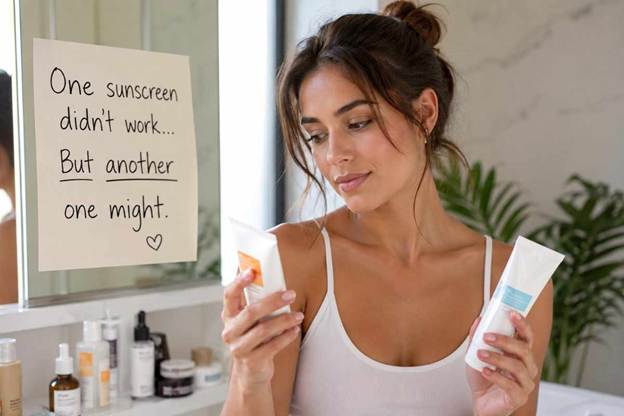
This belief makes quite a lot of people just quit after one bad experience, like a done deal and that’s it. Acne-prone people often have very particular triggers. A sunscreen for example, that leads to congestion might include certain ingredients, textures, or film formers that simply don’t agree with that exact skin type.
Trying another anti acne sunscreen formulation can end up feeling like a total swap , even the outcome can change dramatically. One product that didn’t work for you is not a reliable signal, it doesn’t really say how every sunscreen will go.
Conclusion
The biggest misunderstandings about anti acne sunscreen usually start when people oversimplify how acne-prone skin kind of behaves. Sunscreen isn’t some miracle cure for breakouts, but it’s also not the villain that many people imagine it to be. Nowadays formulations, with all their tweaks, can help protect your skin from UV damage, gently assist the healing process, make post-acne marks look less obvious, and they can sit alongside active treatments. Instead of giving up on sun protection because of a few common myths, it’s often more productive to concentrate on finding a well formulatedsunscreen for acne prone skin that matches your personal needs, and basically motivates you to use it every single day.
FAQs
1. Can sunscreen actually make acne worse?
Some formulas may not suit certain skin types, but sunscreen itself is not inherently acne-causing. If breakouts occur, it is often due to the specific formulation rather than the act of using sunscreen. Trying a lighter texture or different ingredient profile may help.
2. Should people with oily skin use sunscreen every day?
Yes. Oily skin still requires protection from UV exposure. Many modern sunscreens are designed with lightweight, matte finishes that feel comfortable even on oily or combination skin.
3. Why do acne marks seem darker after sun exposure?
UV radiation can stimulate pigmentation and make post-acne marks appear more noticeable. Consistent sun protection helps limit this process and supports a more even-looking complexion over time.
4. Is California Skin+ Cica Sunscreen SPF 50 PA++++ a good choice for acne-prone skin?
Yes, it is a strong option for people concerned about both breakouts and skin sensitivity. California Skin+ Cica Sunscreen SPF 50 PA++++ combines high broad-spectrum protection with skin-soothing benefits associated with cica. Its lightweight feel helps improve daily wearability, while the formula is designed to be compatible with acne-prone skin. For individuals looking for protection without a heavy or greasy finish, it offers a balanced approach that supports skin comfort alongside UV defense.
5. How long should I test a new sunscreen before deciding it works for me?
It is generally helpful to use a new product consistently for at least two to four weeks. This allows enough time to observe how your skin responds and whether any congestion, irritation, or compatibility issues develop.