You check your skin indoors and everything seems mostly fine. Then you step outside into direct sunlight and all at once every little bump, clogged pore, and uneven patch of texture gets super obvious. It can feel frustrating because your skin looks rougher than you guessed. In a lot of cases, these tiny bumps are really clogged pores or closed comedones sitting under the surface, kind of quiet at first. This is one reason more and more people are now using whitehead patches to help deal with small bumps early before they turn into inflamed breakouts.
Why Sunlight Makes Skin Texture More Noticeable
A lot of people notice that their skin suddenly feels more bumpy, rougher, or just more uneven when they step out into natural sunlight. It kind of happens because sunlight is way stronger, and also more directional than the lighting indoors. Indoors the lights are soft, so they sort of blur the minor imperfections, but out in the open the light lands at sharper angles and then you get these tiny shadow bits across the raised spots. so in the end even small clogged pores, and the more subtle skin texture, becomes far more noticeable outdoors.
Natural light, especially when it hits, makes certain concerns feel more loud, like uneven skin texture, tiny raised bumps, dry patches and also that extra oil buildup, plus small clogged pores that might not look as noticeable indoors. So people think their skin suddenly got worse outside, but honestly the texture was already there, in the background. Sunlight just sort of reveals what’s on the surface more clearly, with sharper contrast.
This kind of texture shows up most often in places where oil plus dead skin cells just kind of, accumulate more easily. Like the forehead chin, nose jawline and sort of the area around the mouth too. Those zones are especially prone to getting little congested bumps, small and bumpy. Since those areas make more oil, they tend to end up with an uneven feel that becomes really obvious when you’re under direct sunlight.
What These Tiny Bumps Usually Are
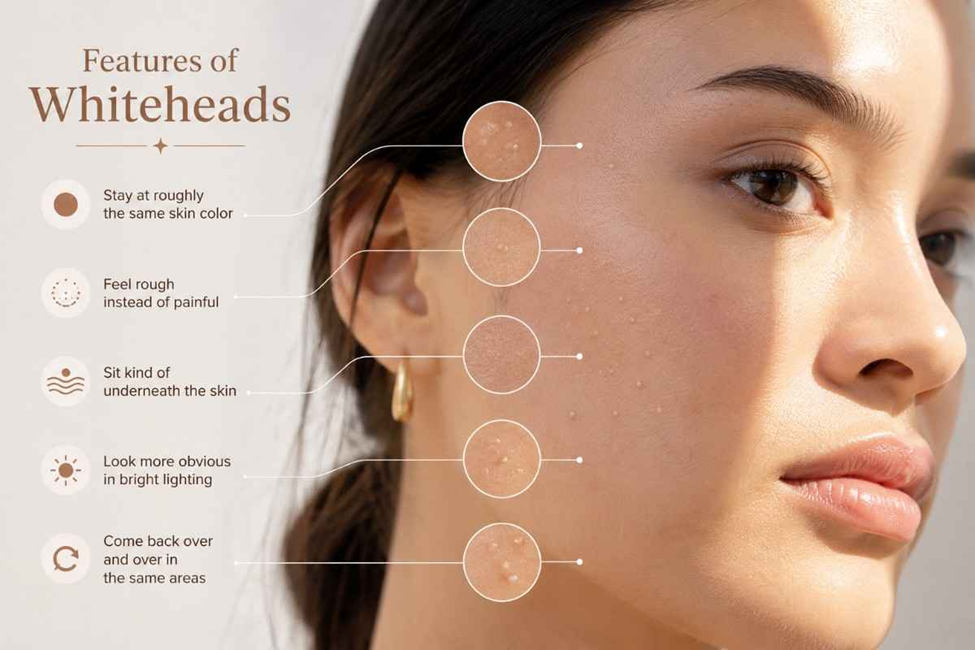
Most of the bumps people see in sunlight are not that severe acne, more like they look related but are actually different. Usually they’re closed comedones, also called whiteheads, and they show up when oil dead skin cells and other debris get stuck right inside the pores.
Unlike angry, swollen pimples, these bumps most times:
- Stay at roughly the same skin color
- Feel rough instead of painful
- Sit kind of underneath the skin
- Look more obvious in bright lighting
- Come back over and over in the same areas
Since they are small, a lot of people end up pressing or scratching at them again and again. Sadly it usually brings even more irritation than the little bump in the first place.
That is where whitehead patches can come in handy in a much more gentle manner.
Why People Make Whiteheads Worse Without Realizing It
One of the biggest reasons these tiny whiteheads turn red, feel irritated, and get way more noticeable is this constant touching, basically all day. A lot of people don’t even notice they run their fingers over rough areas, squeeze bumps in the mirror, or over-exfoliate, then they stack too many acne products at once trying to make the skin feel “smoother” right away. Even if the scrubbing is intense, it can rough up the skin barrier, and that tends to boost inflammation around pores that are already blocked up.
These habits often make the skin barrier weaker, and then a tiny clogged bump can end up turning into something more inflamed, bigger. That’s one reason those invisible pimple patches can be kind of helpful for textured skin concerns too. When you physically cover the bump, the patch kind of acts like a guard shield, creating a protective barrier that helps stop the touching, reduces friction, and lets the area stay more settled while the skin heals by itself.
Texture vs Active Acne
Not every bump should be treated the same way, you know. If you really understand what kind of texture you’re dealing with it makes a big difference, seriously.
| Skin Concern | What It Looks Like | What Usually Causes It | Helpful Solution |
| Closed whiteheads | Tiny skin colored bumps | Trapped oil and dead skin | Gentle cleansing and whitehead patches |
| Inflamed acne | Red swollen pimples | Bacteria and irritation | Acne treatments |
| Dry rough texture | Flaky uneven skin | Barrier damage | Hydration and moisturizer |
| Congested pores | Small recurring bumps | Oil buildup | Consistent skincare and whitehead patches |
A lot of folks accidentally use these harsh acne products on skin texture that really needs barrier support instead , which is kind of ironic. It ends up being overly drying or irritating, even if the intent is “clearer” looking skin.
Why Picking at Tiny Bumps Often Makes Texture Worse
A bunch of whiteheads start looking more noticeable not because they’re really severe, but because they keep getting touched , squeezed, or lightly scratched, kinda again and again. Most of those tiny clogged bumps are sitting under the surface of the skin, so if you try to force them out you usually just end up causing more irritation not really clearing the pore. Over time this same picking routine can bring on redness, swelling, marks that linger, and a rougher looking texture which then shows up even more clearly in bright direct sunlight.
Dermatologists say popping pimples can end up pushing bacteria and leftover debris further in, and that can make things more inflamed. It also tends to raise the chance of scarring and dark discoloration later on, or at least that is what they commonly warn. That’s one reason a lot of skincare routines now lean toward whitehead patches instead of squeezing. Instead of going hard with an aggressive squeeze the area, the patch kind of guards the bump from rubbing and direct touching, while still helping create a calmer healing atmosphere.
How Whitehead Patches Actually Help
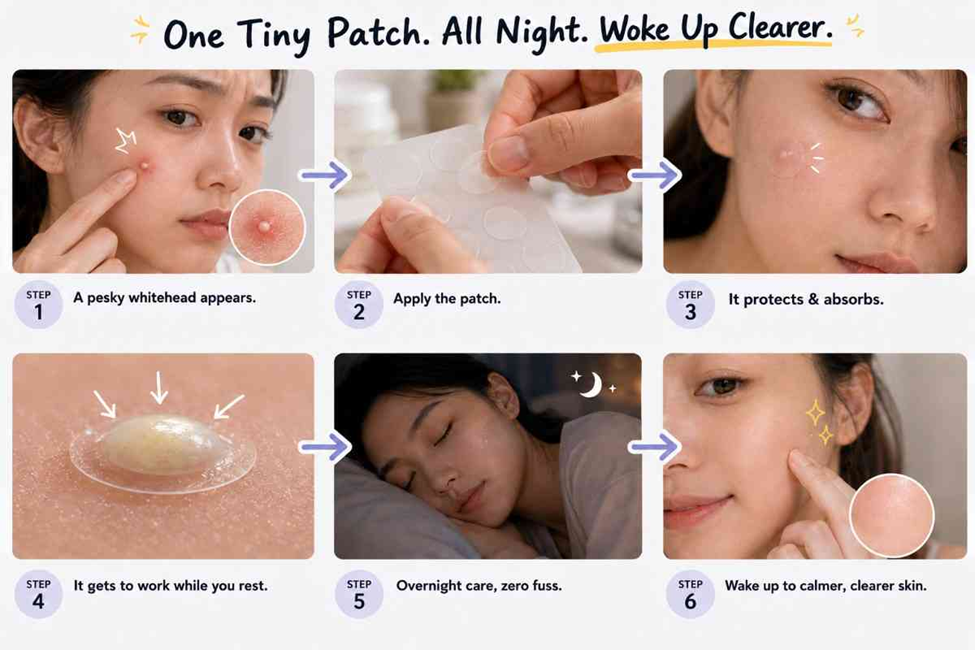
A lot of people think patches are only for big stubborn pimples, but honestly they can work pretty good on smaller clogged bumps too. Sometimes it feels kinda weird, like why bother , yet the same idea still helps, in a quiet kind of way.
Most whitehead patches use hydrocolloid technology, it kind of absorbs the excess fluid and gives a cleaner healing space for the skin, kind of smoother.
They help by:
- Protecting pores that are clogged from dirt, and bacteria
- Stopping the picking and squeezing kind of thing
- Cutting down the friction from pillows or masks
- Supporting a more calmer looking skin
- Keeping the area guarded overnight
One reason they work so well is because they kinda simplify acne care. instead of putting on lots of different harsh products, the skin gets this small opportunity to stay calm and undisturbed, without all that extra fuss.
Why Tiny Bumps Look Worse After Overusing Acne Products
A lot of people try to smooth textured skin by constantly upping the strength of their acne routine. Strong exfoliants, rough cleansers, and too many spot treatments seem kind of helpful at first, but later on they can quietly weaken the skin barrier, and then leave the skin irritated. After that sort of thing, the skin often feels tight right after cleansing, looks shiny yet is actually water-depleted, gets a little flaky around tiny bumps, and you notice more obvious redness in normal daylight. So instead of making texture better, over treating the skin can kind of backfire and make those tiny bumps stand out even more.
This is also where whitehead patches can be really handy. Instead of putting the entire face in front of more drying stuff, they kind of zone in on a few clogged areas, while the adjacent skin stays protected and pretty undisturbed. This helps reduce irritation that can happen from touching, and that frictiony stuff too. They also push toward creating a quieter, calmer healing zone. So it kinda feels like a more gentle pick for people with sensitive skin that tends to be reactive, or quickly gets overwhelmed.
The Link Between Sunlight, Texture, and Dehydration

Dehydrated skin kinda throws the light around unevenly. When your skin is without enough water, the little bumps plus those rough areas start to show way more clearly especially under direct lighting.
This is why textured skin often looks worse after a while in:
- Long days in air conditioning
- Too much exfoliation, actually “roughing it up”
- Harsh cleansers , that feel a bit too aggressive
- Skipping moisturizer, even for a day or two
- A bit too much sun exposure, you know, the usual overheating situation
When the skin is hydrated, it often looks a bit smoother, because it reflects light more consistently like, evenly all over.
Pairing hydration with whitehead patches, can help a healthier looking skin surface too, while also making sure the irritation doesn’t worsen and cause those clogged pores to linger.
Why Overnight Protection Works So Well
Night time is usually when the skin naturally repairs itself. When you are sleeping the skin kind of focuses on recovery and regeneration, like it’s quietly doing maintenance under the surface.
Well this makes nighttime one of the best moments to use whitehead patches, honestly it kind of helps more then you’d think, since nighttime is when skin feels calmer and less noisy for a while.
Wearing them overnight helps, generally:
- Keep the area sheltered for hours
- Stop unconscious touching during sleep
- Lower irritation from pillow friction
- Maintain a more composed look by morning
Many people wake up, noticing that the bumps look flatter and less irritated, just because the skin was left alone overnight, more or less.
Conclusion
Skin can often look a bit bumpier when you’re out in sunlight, kind of because natural light makes tiny uneven bits, blocked pores, and dehydration show up more strongly than indoor lighting. Those little bumps might feel super annoying, but strong treatments, and constant picking, usually end up making the whole thing worse. A calmer route, more centered on fortifying the skin barrier, bringing in extra hydration, and sticking with reliable protection, tends to be way more useful. Things like breakout patcheswork by covering the congested areas, reducing the amount of touching, and backing a more settled looking complexion, while also helping prevent those tiny bumps from turning into larger inflamed breakouts.
FAQs
1. Why does my skin suddenly look textured in sunlight?
Sunlight creates shadows across tiny raised areas of skin, making clogged pores and uneven texture more visible. Indoor lighting is softer, so bumps often appear less noticeable inside.
2. Can dehydration make tiny bumps look worse?
Yes. Dehydrated skin reflects light unevenly, which exaggerates rough texture and clogged pores. Keeping the skin hydrated helps the surface appear smoother.
3. Should I squeeze small clogged bumps?
Usually no. Squeezing can damage surrounding skin, increase redness, and turn a small bump into a larger inflamed breakout or post acne mark.
4. Are California Skin+ Triple Action Acne Relief Pimple Patches good for textured skin concerns?
Yes. California Skin+ Triple Action Acne Relief Pimple Patches are especially useful for people dealing with small congested bumps and repetitive skin picking. The patches help create a protective barrier over textured areas while supporting a cleaner healing environment. They also help reduce friction, discourage touching, and keep the skin calmer overnight without making the surrounding area feel excessively dry or irritated. This makes them a gentler option for people trying to manage recurring whiteheads and uneven texture.
5. How long does it take for skin texture to improve?
Texture improvement takes time because skin renewal happens gradually. Consistent hydration, gentle cleansing, avoiding over exfoliation, and protecting bumps properly can help improve texture over several weeks.