The beauty industry is well known for its promise of better outcomes than what ultimately finishes. However, every now and then a product will come along that leaves you wondering how you ever lived without it. If you’ve ever gone 20 minutes staring at yourself in the mirror trying to deal with a pimple that won’t heal, only to find yourself with a bright red, bloody, and certainly scarred face, then you are precisely the target that acne patches were intended to help. These small, clear stickers are now beyond the fad phase and are an absolute must-have for any modern skincare regimen.. They are the ultimate beauty hack because they essentially act as a bodyguard for your pores, keeping you away from your own worst impulses while quietly pulling the junk out of your skin.
In the early 2000s, the standard way to handle a spot was to blast it with high percentage alcohols or sulfur based drying lotions. The result was a flakey, dry mess that was even harder to cover with makeup than the original bump. The current use of acne pimple patches for facial treatment has changed the original concept. Our current goal requires us to maintain skin hydration while providing complete protection to the affected area. The new approach to treatment enables patients to achieve rapid healing results while avoiding development of permanent skin marks. This guide will show you exactly how these solutions function through their scientific basis and their hydrocolloid material properties and their capacity to deliver effective results for your individual skin requirements.
The Magic Behind the Material: How Hydrocolloid Works Its Wonders
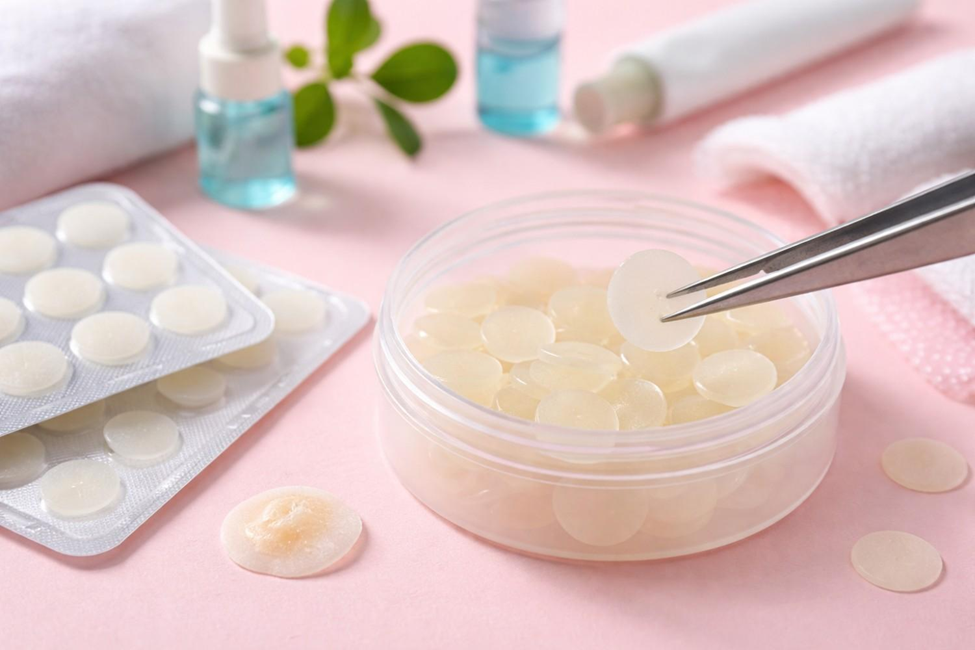
The most common question I get is how a tiny sticker actually does anything. The answer isn’t magic; it is a medical grade material called hydrocolloid. Long before they were being sold in pretty boxes at beauty stores, hydrocolloid dressings were a staple in hospitals. Doctors used them to treat chronic wounds and burns because they create a sealed, moist environment that is perfect for cell regeneration.
When you stick one of these acne pimple patches onto a blemish, specifically one of those whiteheads that looks like it is about to pop, the hydrocolloid starts to do its job. It is hydrophilic, meaning it loves water. It begins to draw out the exudate, which is the pus, oil, and inflammatory fluid trapped inside the pore. As the patch absorbs this fluid, it transforms into a white, gel like substance. That white spot you see on the patch the next morning is a visual receipt of all the stuff that is no longer inside your face.
But the hack isn’t just about the sucking power. It is the protection. By sealing off the blemish, you are preventing secondary infections from airborne bacteria or dirty phone screens. More importantly, you are preventing skin picking. Most of the damage we associate with acne actually comes from our own hands trying to help the process along. A patch removes that temptation entirely, allowing the skin to heal in a sterile, peaceful environment.
The Evolving World of Pimple Patches for Face Care
If you haven’t looked at the skincare aisle lately, you might not realize just how much these stickers have changed. When you are hunting for the best pimple patches, you are no longer limited to just one type.
First, you have the original hydrocolloid patches. These are your workhorses for surface level whiteheads. Then, there are the medicated versions. These take things a step further by infusing the sticker with active ingredients like Salicylic Acid to melt the oil plug or Tea Tree Oil to kill bacteria. For the really stubborn, deep seated hormonal acne that feels like a painful lump under the skin, we now have microneedle patches. These have tiny, self dissolving spikes that bypass the skin surface to deliver treatment directly to the root of the inflammation.
The beauty of acne pimple patches for face care is that they are targeted. Creams and gels often migrate across your face while you sleep, drying out healthy skin and potentially causing more irritation. A patch stays exactly where you put it, ensuring that 100% of the active power is concentrated on the problem spot.
Comparing Typical Acne Treatments
| Treatment Category | Primary Function | Ideal Use Case | Estimated Recovery |
| Drying Creams | Surface dehydration | Small, oily whiteheads | 3 to 5 Days |
| Acne Pimple Patches | Fluid extraction and protection | Mature spots and pickers | 8 to 24 Hours |
| Microneedle Stickers | Deep layer delivery | Blind, cystic, or hormonal bumps | 2 to 3 Days |
| Salicylic Acid Gels | Pore clog dissolving | Blackheads and congestion | Ongoing Use |
Why the Best Pimple Patches are a Total Routine Game Changer
One of the most overlooked benefits of using these patches is the scab skipping effect. When you let a pimple dry out in the open air, it almost always forms a dark, hard scab. That scab is the enemy of a smooth complexion because it is nearly impossible to cover with makeup and often leads to a lingering dark spot or pockmark. Because acne pimple patches maintain a moist environment, the skin stays supple as it heals. This means the blemish often just flattens out and disappears without ever reaching that crusty, scabby stage.
Then there is the sheer convenience for a busy lifestyle. The best pimple patches are now designed with tapered edges, meaning they are thicker in the middle and super thin at the sides. This makes them blend into your skin tone almost perfectly. You can wear them to work, to the gym, or even on a date if you are feeling bold, and most people won’t have a clue you are treating a breakout in real time. This 24/7 treatment window is why they are the ultimate beauty hack.
A Higher Standard: California Skin+ Triple Action Acne Relief Pimple Patches
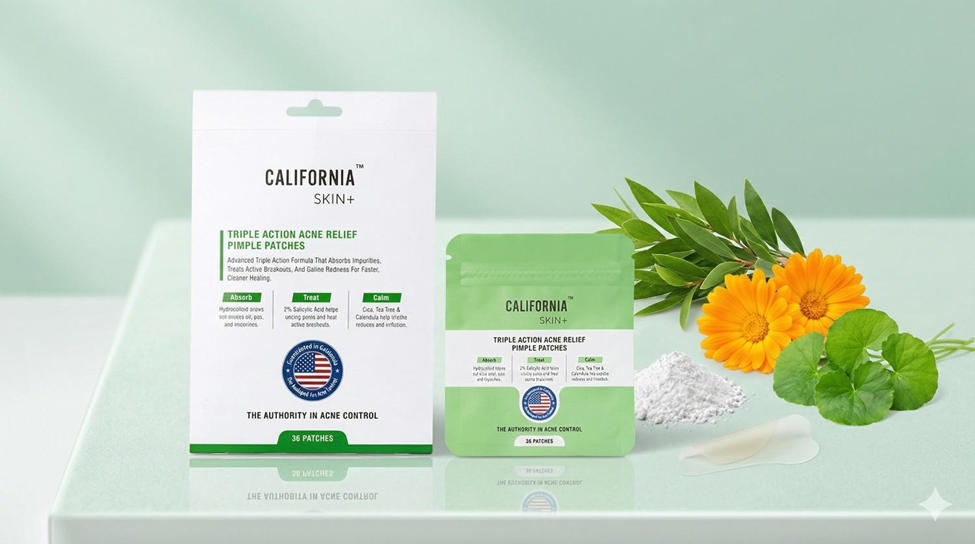
If you are tired of the generic, flimsy patches that fall off halfway through the night, you need to look at formulations that actually have some weight behind them. One of my top recommendations is the California Skin+ Triple Action Acne Relief Pimple Patches. These aren’t just your standard drugstore stickers; they are designed to handle the entire life cycle of a breakout.
The Triple Action name comes from the way they address the blemish from three different angles. First, they use a high quality, medical grade hydrocolloid that has superior absorption power for faster extraction. Second, they include ingredients specifically chosen to calm down the vascular redness that makes a pimple so angry and visible. Third, the adhesive is strong enough to stay put through tossing and turning but gentle enough not to rip the skin when you peel it off.
By reaching for California Skin+ Triple Action Acne Relief Pimple Patches, you are essentially giving your skin a reset button. For people who find that typical acne treatments are too aggressive and leave their face peeling, these patches provide a much more balanced and sophisticated way to clear the skin. They isolate the problem so you don’t have to treat your whole face for a single stubborn spot.
What the Research Says: Facts Over Hype
Is the hype supported by science? Yes. Dermatological studies have consistently shown that occlusive dressings, which is what a patch is, significantly improve the rate of skin repair. By creating a barrier, you are preventing transepidermal water loss. When the skin cells have enough moisture, they can migrate and heal the wound much more efficiently than they can in dry conditions. (Source)
Beyond the physical healing, there is a massive behavioral benefit. Psychologists have noted that for people who struggle with skin picking disorders, acne pimple patches act as a physical stop sign. They break the mindless habit of touching, feeling, and eventually squeezing blemishes. This habit reversal is often the most effective way to clear chronic acne, as it prevents the constant reintroduction of bacteria into the pores.
How to Get the Most Out of Your Acne Pimple Patches
If you want to see that legendary white spot on your patch in the morning, you have to nail the application. Most people who say patches don’t work are usually making one of two mistakes, applying to wet skin or using them on the wrong type of blemish.
Step one is a deep clean. You need to strip away any surface oils that might prevent the adhesive from sticking. Step two is the most important, dry the skin completely. Even a tiny bit of moisture will act as a lubricant and cause the patch to slide off. Step three, apply the patch before any other skincare. Don’t put your serums or moisturizers on first. Put the patch on the bare, dry spot, press it down with a warm finger for five seconds to set it, and then go about the rest of your routine.
For the best results, leave it on for at least 6 to 8 hours. Most people find that an overnight session is the gold standard. When you wake up, peel it back slowly. You should see that the bump has significantly flattened and the redness has dialed way back.
The Future of Clear Skin Technology
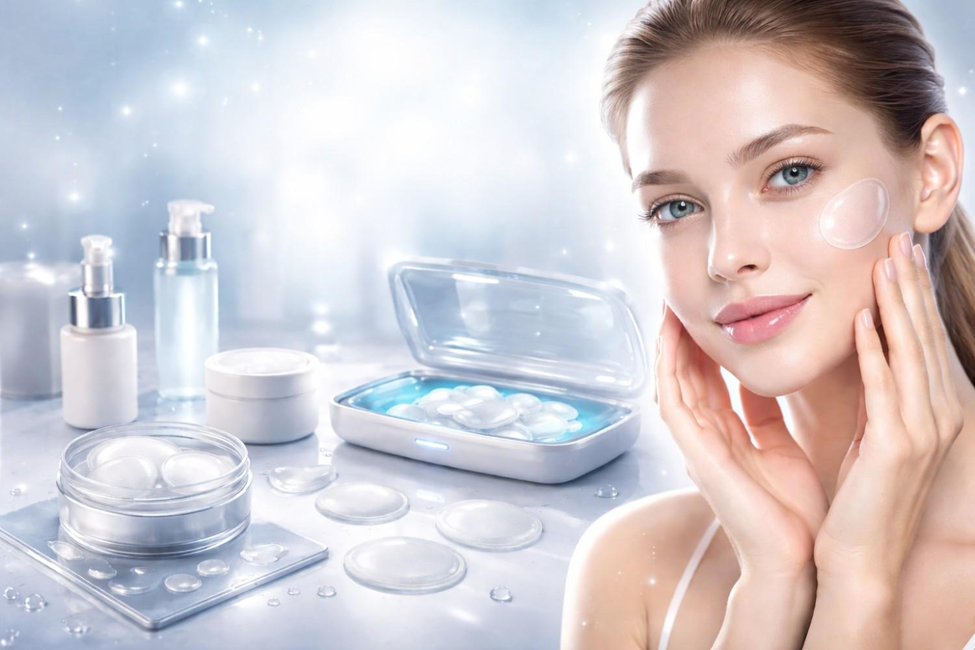
We are moving into an era where we no longer have to suffer through a breakout. The shift toward pimple patches for face care is a shift toward kindness in skincare. We are moving away from the punish your skin mentality of the past and moving toward a support your skin future.
We are already seeing the best pimple patches evolve to include things like color changing indicators and time release medications. But even the simple hydrocolloid technology we have right now is lightyears ahead of what was available a decade ago. It is about being smart, not aggressive.
Myths, Misconceptions, and Reality Checks
Let us clear up a few things. First, you do not need to lance or pop the pimple before putting a patch on. In fact, doing so can lead to infection. A good patch is designed to draw fluid out through the skin natural pores. If the pimple is ready, the hydrocolloid will do the work without you having to cause a wound.
Second, understand that these aren’t magic erasers for every single skin issue. If you have deep, cystic acne that feels like a hard knot deep in your jawline, a surface patch might not be enough. Those usually require a microneedle patch or a visit to a professional. However, for those annoying, visible whiteheads that always seem to show up at the worst time, nothing beats a high quality patch.
Conclusion
Acne pimple patches have earned their legendary status because they solve a real, everyday problem with almost zero effort. They stop the picking, they suck out the impurities, and they make the healing process invisible. In a world where we are all busy and stressed, having a tool that works while we sleep is the ultimate win.
By investing in quality options like California Skin+ Triple Action Acne Relief Pimple Patches, you are taking a professional approach to blemish management. You are choosing to heal your skin instead of hurting it. So the next time you feel a breakout coming on, put down the concealer and the popping tools. Grab a patch, stick it on, and let the science do the heavy lifting for you.
Frequently Asked Questions
Can I wear these patches if I have very sensitive skin?
Yes, in fact, pimple patches for face care are often better for sensitive skin than traditional creams. Creams can spread to the healthy skin around a pimple and cause irritation or peeling. A patch keeps the treatment localized to the spot itself, protecting the surrounding skin from any harsh ingredients.
Do they work on blackheads or just whiteheads?
Standard acne pimple patches are mostly designed for wet blemishes like whiteheads and pustules because they work by absorbing fluid. Blackheads are dry plugs of oxidized oil, so a hydrocolloid patch won’t be as effective on them. For blackheads, you are better off using a BHA or Salicylic Acid exfoliant.
What makes California Skin+ Triple Action Acne Relief Pimple Patches stand out from the rest?
The California Skin+ Triple Action Acne Relief Pimple Patches are specifically formulated to go beyond just sucking out gunk. They are built to address extraction, calming of the skin, and protection simultaneously. They use a higher grade adhesive and hydrocolloid blend that is designed to be effective yet gentle, which is a major upgrade from the basic, thin stickers found in some generic packs.
Do I need to change my moisturizer if I start using these?
Not at all. You can keep your entire existing routine exactly as it is. The only rule is that the patch has to go on first. Think of it as the first layer of defense. Once the patch is sealed onto the blemish, you can layer your usual creams and oils right over the top without any issues.