Sunscreen has long been considered essential, but people who have acne-prone skin need to evaluate its use. Many people who suffer from acne-prone skin worry about potential skin problems which include clogged pores and irritation and breakouts. The question arises about the potential of the California Skin+ Cica Sunscreen SPF 50 PA++++ to offer benefits beyond its sun protection functions. The active ingredients in your sunscreen product will provide both sun protection and skin soothing benefits according to its formulation. The formulation for sunblock provided with aloe vera produces a dual-function skincare item.
People With Acne-Prone Skin Should Use Sunscreen For These Reasons
The relationship between acne and sunlight exposure creates a complex pattern which requires more study. People who think sunlight helps dry out pimples face research evidence that proves their belief to be false. The skin condition shows temporary improvement but UV radiation results in increased skin oil production and post-inflammatory hyperpigmentation.
The research from dermatology shows that sunscreen usage is important to more than 90 percent of people but acne and skin irritation problems stop them from using sunscreen on a daily basis. The research shows that existing sunscreen products need to develop new formulas which provide skin protection without creating additional skin problems.
The essential need for a properly developed anti acne sunscreen exists because established research shows that this product needs to provide protection against UV radiation and control the development of dark spots and acne scars.
The Problem With Traditional Sunscreens
Most traditional sunscreens fail to meet the needs of people who have acne-prone skin. The products create a sensation which users describe as heavy and greasy and blocking their skin.
Common issues include:
- Thick formulations which trap both oil and bacteria
- Comedogenic ingredients which cause breakouts
- The product does not contain any soothing agents which would help to reduce inflammation.
Studies show that acne is reported as a side effect by up to 24.3% of sunscreen users . The statement demonstrates that different sunscreens have different effectiveness especially for people who have sensitive skin or acne-prone skin.
This is the exact time when new and better anti-acne sunscreen formulas become very important.
Aloe Vera: The Game Changer Ingredient
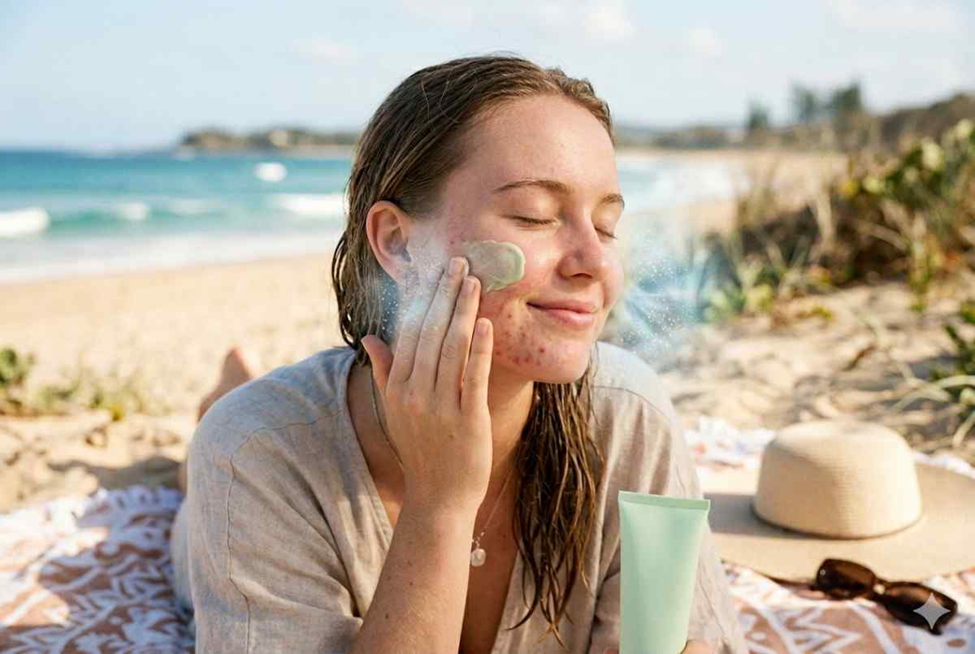
The aloe vera plant is not just soothing; it is a powerhouse ingredient, with multiple skin benefits that align perfectly with combating acne.
There is a reason as to why aloe vera enhances an anti acne sunscreen:
- The anti-inflammatory properties of this substance decrease both redness and swelling.
- The product provides skin hydration which maintains moisture but does not block skin pores.
- The treatment process enables the body to restore its natural skin condition while treating both skin damage and acne breakouts.
- The product provides immediate relief to people who have sunburned skin or irritated skin.
When added to an anti acne sunscreen, aloe vera transforms it from a protective product into a therapeutic one.
How Aloe Vera Works With Sunscreen
Aloe vera combination with sunscreen active ingredients creates multiple beneficial effects. Aloe vera functions underneath the skin to maintain its balance while UV filters provide protection against radiation.
The system operates through two separate protective mechanisms.
- The sunscreen provides external protection to the skin.
- The aloe vera plant functions as both a healing agent and a skin-calming treatment.
This newer strategy provides a legion of anti-acne benefits in purely traditional reformulation.
Different Sunscreens for Acne-prone Skin
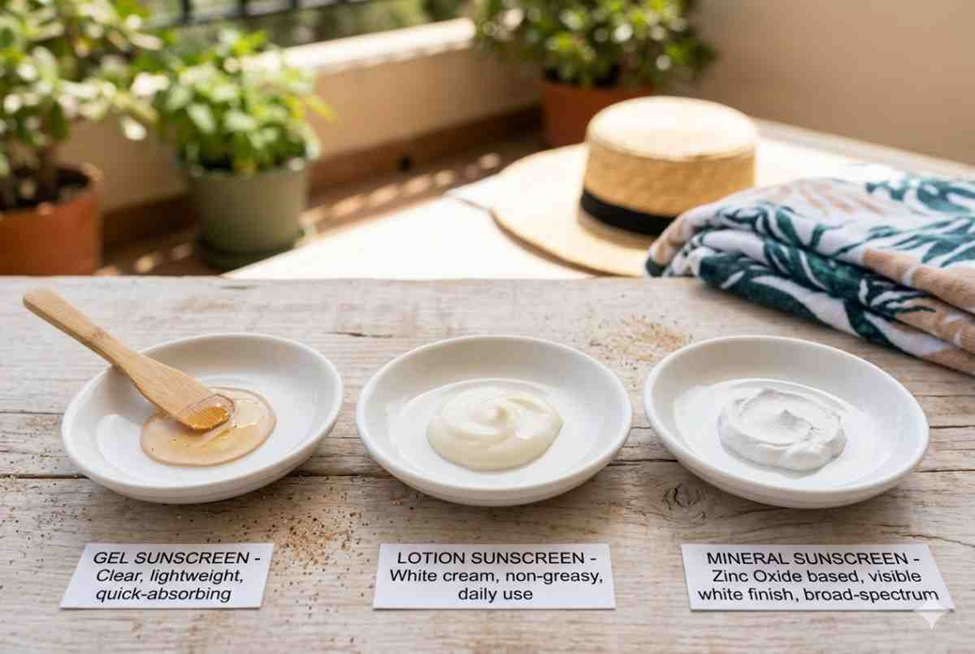
All sunscreens show different reactions when they come into contact with skin that has acne tendencies. The skin must be shielded from both extremes like prolonged sun exposure and excessive heat because these conditions lead directly to skin inflammation and break out.
Sunscreen Products in Gel-Based Formulations
People who are after a sunscreen which is oil-free and lightweight very much lean towards gel-like sunscreens. The product enables easy application because it does not create any sticky or greasy residue which makes it appropriate for users who need to apply it throughout their daily activities in hot and humid weather.
Sunscreens With Lotion
The distinction in weight between lotion-based and gel sunscreens is due to the former, which provides added nourishment for skin applications.Users can put the product on very easily, resulting in a barrier that is more efficient, especially for people who may have the need for more hydration in their skincare regimen.
Sunscreens featuring a balanced ratio of moisture against excessive grease are generally good for those with combination skin. The majority of products contain additional moisturizing components which maintain skin hydration and softness while providing all-day sun protection.
Mineral Sunscreens
Mineral sunscreens function through their ability to create a protective layer on the skin which prevents harmful ultraviolet rays from entering the body. The product establishes an instant protective shield which functions as a dependable sun protection solution for people who want to avoid chemical products on their skin.
The products have a weightier texture which some users may find to be unsuitable for their needs. The products work well for people with sensitive skin because they contain mild ingredients; however, some specific formulations will cause pore blockages which particularly affect individuals with acne-prone skin.
To ensure breathability and comfort, a well-designed anti acne sunscreen comes in gel form.
Important Ingredients to Look for With Aloe Vera
To achieve optimal results your anti-acne sunscreen needs to contain additional active components beyond its current formulation.
- The compound Niacinamide serves two purposes by reducing skin oil production while it simultaneously decreases skin inflammation.
- Salicylic acid functions as a pore-cleansing agent which removes blockages from the skin.
- Zinc functions to regulate sebum production while it soothes skin irritation.
- Hyaluronic acid delivers moisture in a lightweight form.
Together with aloe vera, these ingredients create a stable and productive anti acne sunscreen.
Data Insight: Sunscreen and Acne Concerns
Below is simplified table of research pertaining to sunscreens for skin care, attitudes and side effects:
| Factor | Percentage (%) |
| People who use sunscreen | 75.3% |
| People who consider it important | 90.6% |
| Users reporting acne as a side effect | 24.3% |
| Users reporting no side effects | 55.9% |
Therefore, intricate needs like protection and skin health will lead to the formulations of high-performance, aloe-infused, anti- acne sunscreen.
Benefits of Using an Aloe-Infused Sunscreen Daily
The aloe-infused anti acne sunscreen provides various skincare benefits which assist people with skin sensitivities and breakouts to enhance their daily skincare routines. The skin benefits from aloe vera because it decreases UV radiation redness and skin inflammation while providing daytime skin relief. Darkening of the acne scar would be prevented due to products with sun protection that the individual must never use pigmentation exposure from the sun.
This type of sunscreen keeps skin from getting too dry and keeps oil production in check all day. The recommendation is such a great one, as people with oily skin who are blemished will find respite in it. A plant like Aloe Vera works very well for issues like breakouts of skin healing quickly.
Things People Think About Sunscreen and Acne
Let us start to demonstrate the truth behind these common misunderstandings which people hold.
- The skin care product sunscreen functions as an acne treatment solution which does not produce pimples from its regular use.
- The acne scars become more severe when people choose to skip sunscreen protection.
- The oily skin type needs products which maintain a lightweight texture for their skin needs.
The current anti acne sunscreen products work to protect skin health while they prevent their active ingredients from blocking facial pores.
The Future of Acne-Friendly Sun Protection
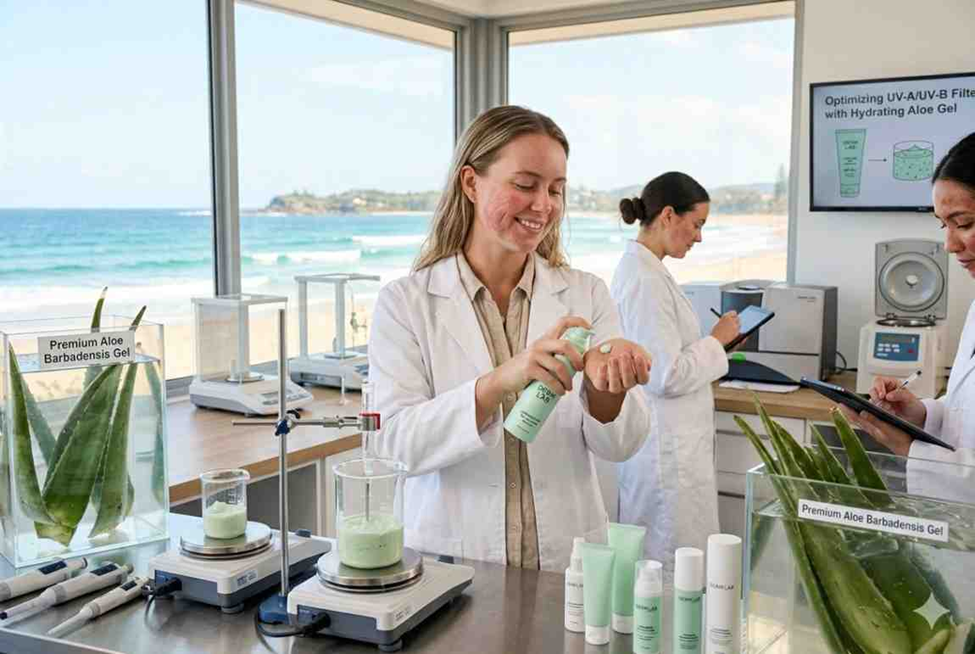
Skincare science advances at a fast pace because modern consumers want products that combine multiple functions to help them achieve better results with less effort. People now understand sunscreens as essential components for complete skin protection which helps treat acne and skin sensitivity conditions.
The development of aloe-based acne-fighting sunscreen shows how people’s expectations of products have changed. The product now offers multiple functions because it provides treatment and prevention together with user comfort. Brands today develop products that do not cause skin blockage by using botanical ingredients which calm the skin and designing lightweight formulas that users will find easy to wear. The sunscreen evolution provides acne-prone users with an effective solution that needs no compromises.
Conclusion
The concept of sunscreen has undergone complete transformation throughout its history. The product now functions as more than a sun protection barrier. The product functions as an essential component of acne treatment because it includes aloe vera which provides both calming and healing properties.
The selection of an appropriate formulation leads to essential results. The product delivers skin protection which develops into skin improvement throughout its usage. A gel sunscreen spf 50 offers users daily protection by combining ultimate defense and superb comfort.
FAQs
Can sunscreen worsen acne?
Some formulations, especially those that are heavy or contain comedogenic ingredients, can clog pores and trigger breakouts. However, choosing a non-comedogenic sunscreen specifically designed for acne-prone skin can help protect your skin without causing congestion or irritation.
Is aloe vera suitable for oily skin?
Yes, aloe vera is highly suitable for oily skin because of its lightweight, non-greasy texture. It helps soothe inflammation, control excess oil production, and hydrate the skin without clogging pores, making it ideal for acne-prone individuals.
How often should sunscreen be reapplied?
Sunscreen should generally be reapplied every 2 to 3 hours, especially if you are outdoors, sweating, or exposed to direct sunlight. Consistent reapplication ensures continuous protection against harmful UV rays and helps maintain overall skin health.
Can sunscreen help with acne scars?
Yes, regular use of sunscreen plays an important role in preventing acne scars from becoming darker. UV exposure can worsen pigmentation, so protecting your skin daily helps maintain an even skin tone and supports the healing process.
Does California Skin+ Cica Sunscreen SPF 50 PA++++ contain ingredients like aloe vera for soothing acne-prone skin?
Yes, it contains aloe vera, which is known for its soothing and anti-inflammatory properties. It helps calm irritated skin, reduce redness, and provide lightweight hydration without clogging pores, making it especially beneficial for acne-prone skin while ensuring effective sun protection.