Squalane is everywhere right now and it has been for a while. Pick up almost any moisturizer, serum, or face oil launched in the last couple of years and there is a reasonable chance it is sitting somewhere on that ingredient list. It earned that spot because it works without causing problems for most people, and in skincare that combination is genuinely harder to find than brands make it sound.
Then olive squalane showed up. Same ingredient, different label, usually a higher price, and suddenly people started wondering whether the version they were already using was somehow the inferior one. Whether they had been missing something. Whether olive makes it better.
The real answer sits somewhere more interesting than a straight yes or no.
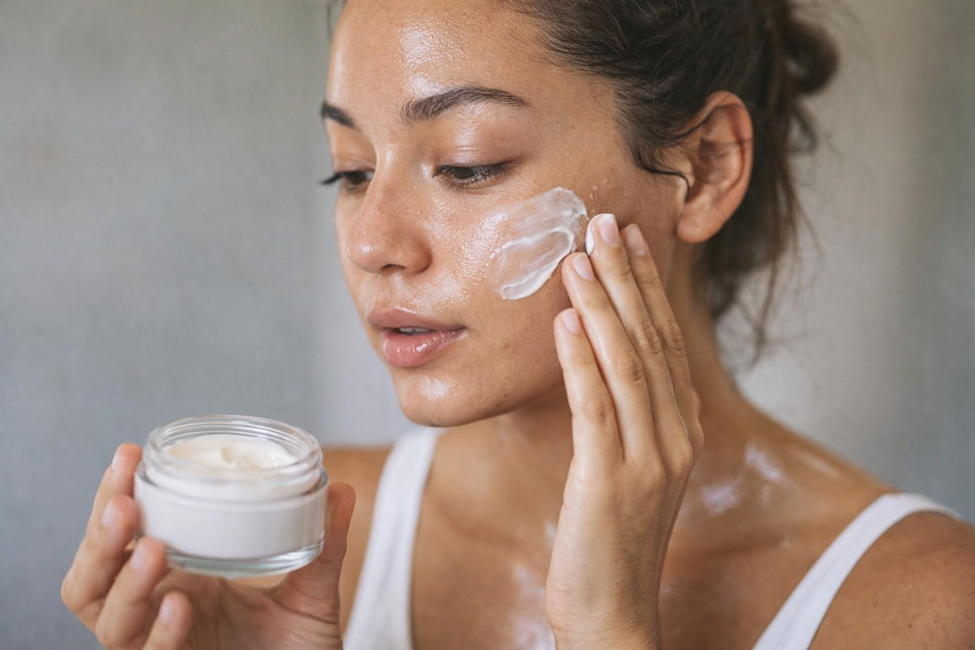
Before getting into the comparison though, if the current routine is missing a proper skin repair moisturizer with real barrier-supporting ingredients working alongside squalane, sorting that out matters more right now than which variety of squalane is in the formula.
Squalane and Skin Repair Moisturizers: The Basics First
Skipping straight to olive versus regular without understanding what squalane is first means the comparison lands without context. So here is the short version.
Squalane is the stabilized version of squalene. Squalene is something that the human skin naturally produces itself, part of its own sebum. Squalene is about 10 to 12 percent of the natural skin oils. So the skin is not being exposed to anything alien when squalane is put onto the skin. It is something the skin is already familiar with.
The issue with squalene in its raw form is that it oxidizes fast when it meets air. Unstable ingredients do not survive on a shelf and as they break down they can generate free radicals which is genuinely the opposite of what anyone is trying to achieve in a skincare routine. Hydrogenating squalene solves that. It converts it into squalane which is stable, works well in formulations, and still close enough structurally to the skin’s own lipids that absorption happens without the skin treating it like something suspicious.
For most of the last century squalene was harvested commercially from shark liver oil. Sharks concentrate it in their livers in high amounts and getting it out was not complicated industrially. The ethics of that supply chain eventually became too loud to ignore and the push toward plant-derived alternatives got serious. Olive oil ended up being one of the first practical answers the industry landed on.
Research from the Journal of the American Oil Chemists’ Society puts squalene content in olive oil somewhere between 0.1 and 0.7 percent depending on the olive variety and growing conditions. Small number on paper but commercially viable when extraction is done efficiently at scale. (Source)
Where Regular Squalane Actually Comes From
The majority of squalane sold in stores is derived from sugarcane due to its ability to produce pure quantities of squalane through fermentation extraction in relation to efficient supply chains. The majority of squalane seen in retail and online shops today began their production as sugarcane.
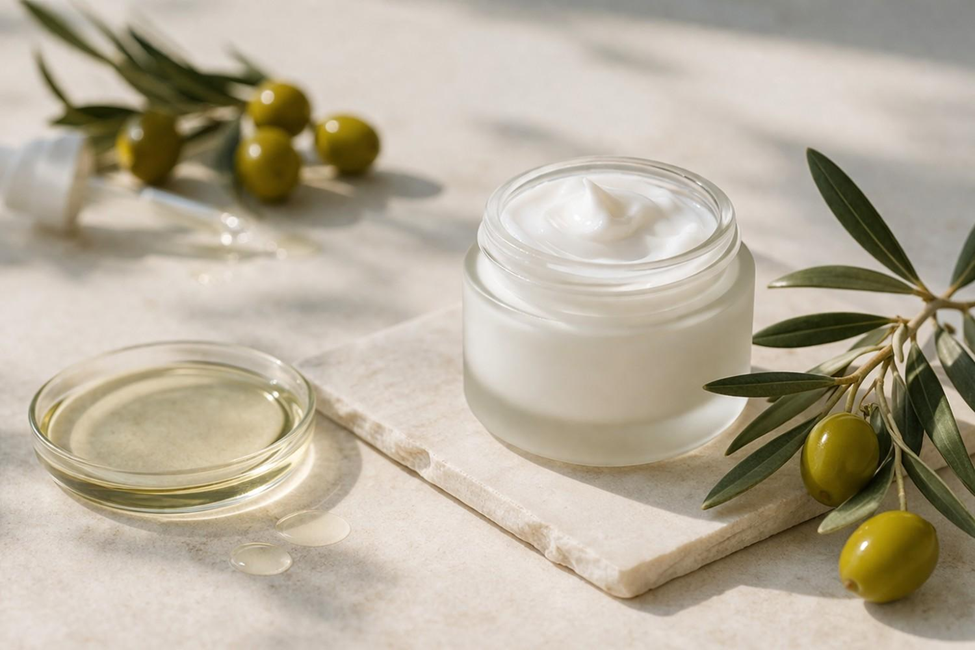
The unsaponifiable fraction of olive oil, or olive squalane, comprises the portion of olive oil that survives refining processes without being turned into soap. Brands that utilize this ingredient generally identify it on their labels due to the high-profile marketing attached to using an olive oil source. The Mediterranean skincare tradition, years of technology linking olive oil to healthy, radiant skin, and so on all have a common theme when marketing an ingredient that derives from an olive source. The question that remains is whether or not the product will provide any actual benefit to your skin in a way that would cause a perceived difference on your end.
Other plant sources exist too. Amaranth seed, rice bran, wheat germ. None have reached the commercial reach of olive or sugarcane but they show up in smaller brand formulations.
Squalane Source vs Skin Results: The Honest Answer
Here is the honest version.
At a molecular level they are identical. The hydrogenation process produces the same stable molecule regardless of where the squalene originated. Your skin does not perform a source verification before absorbing it. It receives the same emollient either way and the response is the same either way.
The real difference, and it is a small one, is in what accompanies the squalane through the process of extraction. Thus, an olive squalane that is well processed, without being over-refined, can contain some polyphenols and tocopherols, which are forms of vitamin E that are naturally occurring in olive oils. These are not in an amount that changes what the product does, but they do offer some antioxidant potential that the sugarcane squalane, in its highly refined form, does not.
Whether that matters day to day depends almost completely on concentration and what else is in the formula. Squalane sitting in the top five ingredients at a real percentage, maybe the olive trace compounds add something worth having. Squalane buried near the bottom of a forty ingredient list at under one percent, the source discussion becomes irrelevant. The rest of the formula is doing the actual work.
Squalane on Skin: What Actually Happens
The reason squalane ended up in so many product categories is straightforward. It solves real problems without creating new ones, which sounds simple but is genuinely not guaranteed with skincare ingredients.
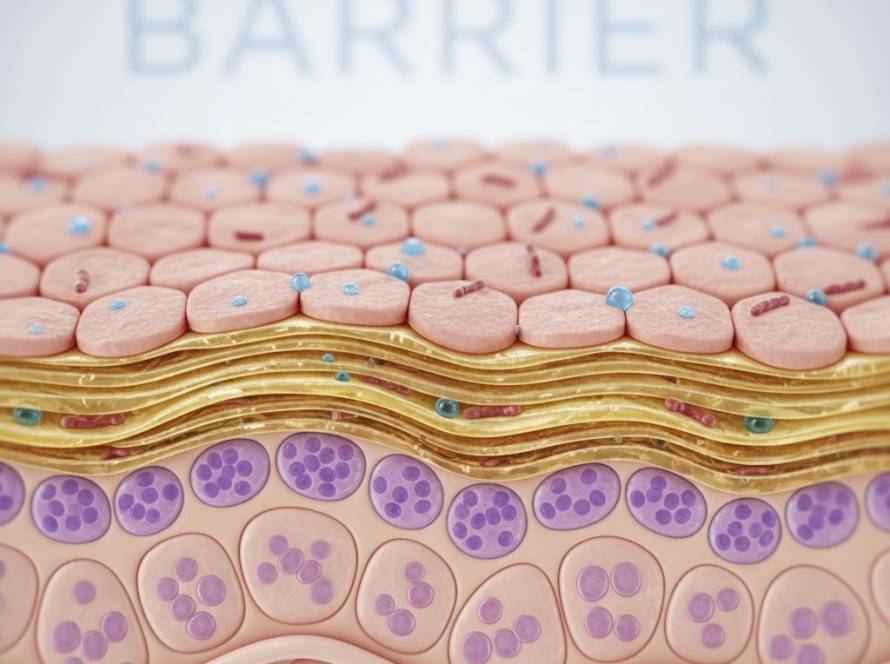
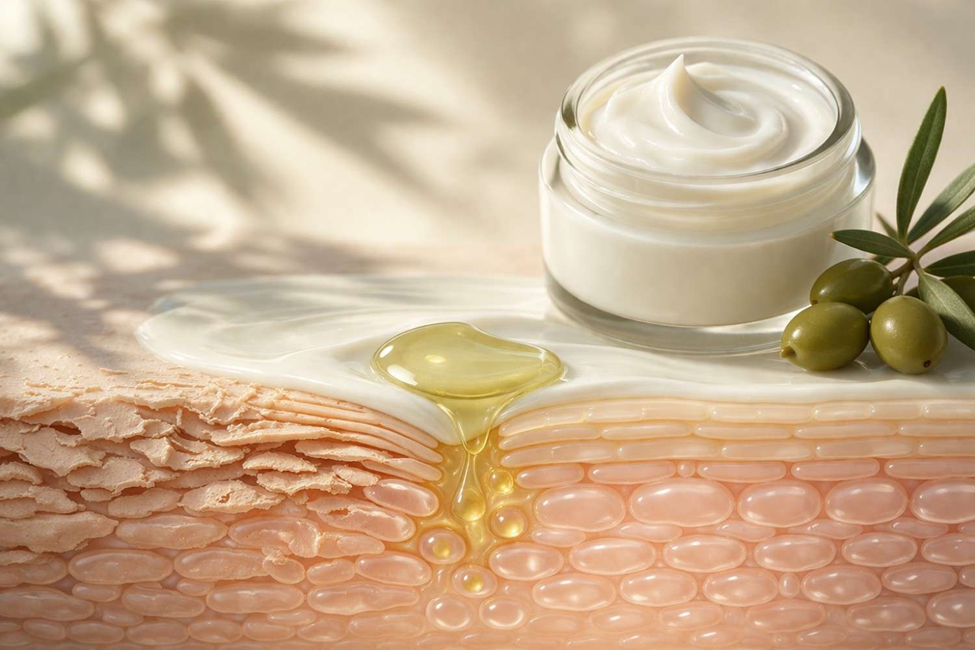
As an emollient which fills all the tiny gaps that exist between skin cells to create a barrier that prevents water from escaping the skin surface while it also makes the skin feel softer without creating the heavy blockage that most facial oils do to people who have oily skin or sensitive skin. The product absorbs into the skin at a pace which users find pleasant because it does not create the sensation of remaining on their skin for extended periods.
The non-comedogenic claim genuinely holds with squalane in a way it does not always hold when brands apply it more loosely to other ingredients. It does not clog pores. For anyone managing congestion and breakouts that is meaningful because it means barrier support and hydration are accessible without the usual trade-off of new spots appearing in response to whatever was applied.
Stability matters too and it is the thing that gets mentioned least. The hydrogenation process removed squalene’s vulnerability to oxidation. The ingredient does not degrade into something that generates free radical activity on the skin over time. It just keeps working.
Why Oily Skin Actually Needs Squalane
This part genuinely surprises people and it keeps surprising them because the logic feels wrong until you think about it properly.
Oily skin does not overproduce sebum because it has an abundance of lipids. Frequently it overproduces because it has been stripped so consistently by harsh products that the skin ramps up oil production as a compensatory response. That rebound sebum congests pores and keeps breakouts cycling. The routine that was meant to control oiliness becomes the thing driving it.
A lightweight non-comedogenic emollient can interrupt that pattern by giving the skin enough of a lipid signal that the compensatory response does not need to fire as aggressively. Not a guaranteed fix for every person but a well-documented mechanism and one reason squalane regularly appears in routines built around oily and congested skin.
For this to work properly the rest of the routine needs to be going in the same direction. An oil control serum that brings sebum production under control without aggressively stripping the barrier gives squalane the right environment to do its job. The serum handles the regulation side. The squalane in the moisturizer is on the maintenance side. Both of these elements work on the problem, not just on one end of it.
For spots already sitting on the surface, squalane supports the environment around the breakout but does not clear it. A sulphur spot treatment applied directly on the active pimple handles the targeted clearing work that a broad emollient was never built to do. Moisturizer on the full face, spot treatment on the specific problem, those two jobs kept separate rather than one product expected to manage everything. Less irritation to surrounding skin and better results on the actual spots.
Reading Squalane Labels Without Getting Misled
Due to Olive Squalane’s high price point, do your due diligence before deciding solely based on the source.
Typically, olive derived squalanes will either say ‘squalane’, ‘olea europaea squalane’, or ‘olive squalane,’ depending on what the company chooses to call their product. Typically, sugarcane-derived products will only say ‘squalane’ and will not say anything else; therefore, if your olive-based squalane is part of their brand story, it would be included in the marketing copy, even though the INCI name will read only squalane on the back.
Concentration is what actually tells you whether squalane will deliver in a specific product and it is the thing ingredient lists make hardest to read without some experience. In the top five ingredients means a percentage that will actually drive performance. Near the bottom of a long formula means it is present but not leading. A skin repair moisturizer combining squalane with ceramides, centella asiatica, and barrier-active ingredients at meaningful concentrations will outperform a product where squalane is the headline at a low percentage regardless of which plant it came from.
Conclusion
At the molecular level nothing that changes what lands on your skin. Same stable emollient, same absorption, same non-comedogenic behavior. The trace antioxidant compounds in well-processed olive squalane exist but are not significant enough to justify a meaningful price gap on skin performance grounds alone.
The formula context is everything. A sulphur spot treatment targeting active breakouts directly, a skin repair moisturizer with squalane working alongside genuine barrier ingredients, an oil control serum keeping sebum under control before it becomes a problem. That combination handles what origin debates cannot.
The ingredient deserves its reputation. Buy the formula it lives inside, not the source it came from.
Frequently Asked Questions
Is olive squalane worth paying more for dry skin specifically?
The formula surrounding it does more work than the source. Both versions deliver the same emollient function where it counts.
Will daily squalane use congest pores over time?
No. This is one of the claims with squalane that genuinely holds up including for oily and breakout-prone skin types.
Can squalane stand alone as a moisturizer?
Not really. It works best inside a properly formulated moisturizer rather than as a solo replacement for one.
Does California Skin+ build squalane into their products thoughtfully?
California Skin+ approaches barrier repair as a system where ingredients work together rather than one hero ingredient carrying everything. That philosophy is where the real performance difference shows up compared to products built around a single component and a good origin story.