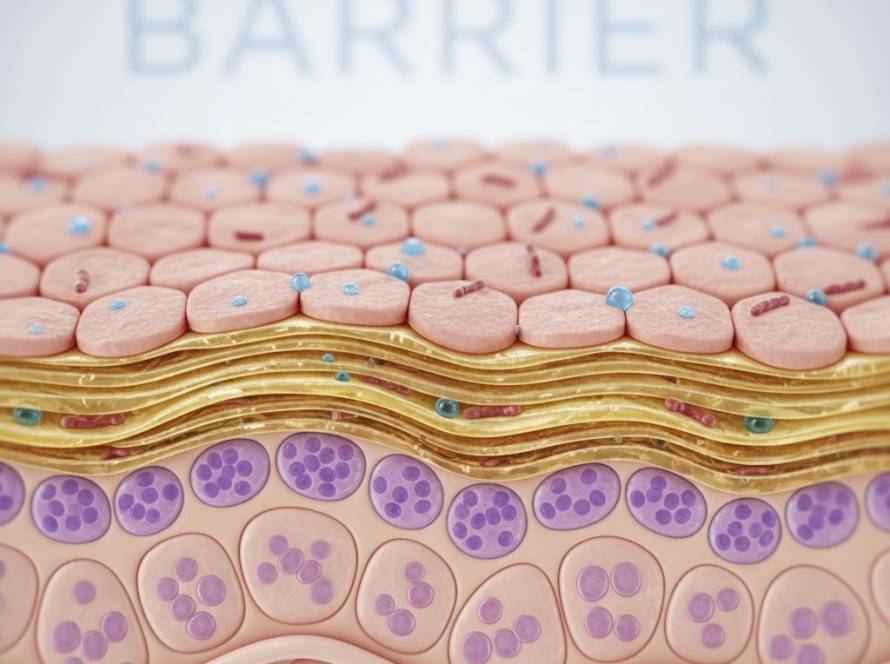
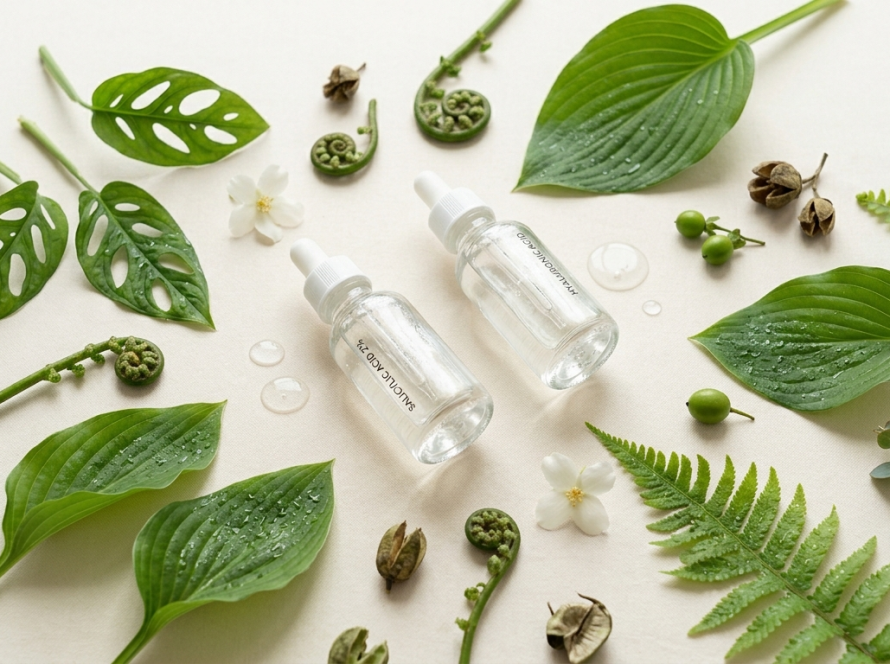
Glycolic acid and salicylic acid appear everywhere in skincare products which you can find in stores or online. These two substances function as chemical exfoliants. The medical community has studied both treatments for more than 40 years. The comparison between two skin treatments shows which product benefits your skin according to specific requirements.

Your skin type and primary concern determine the answer to this question. The two ingredients operate through distinct processes that affect separate skin areas. The correct skin product brings positive results while the incorrect product leads to skin problems and customer distress. Acne treatment results improve significantly when patients start their skincare routine with salicylic acid cleanser. The following information presents complete details which help you select the correct option.
What Is Glycolic Acid and How Does It Work?
Glycolic acid is an alpha hydroxy acid (AHA) derived from sugar cane. The AHA family contains three molecules, with this particular molecule being the smallest one. The substance dissolves dead skin cell bonds on skin surfaces which enables more efficient skin shedding and reveals brighter skin cells underneath.
Glycolic acid exists as a water soluble compound which remains on skin surfaces without entering into pore structures. The product effectively treats surface problems which include dull skin and rough skin and uneven skin coloration and mild skin discoloration and first signs of aging. The ingredient serves as a well-studied anti-aging solution because its continuous application leads to increased collagen production.
What Is Salicylic Acid and How Does It Work?
Salicylic acid is a beta hydroxy acid (BHA) derived from willow bark. Unlike glycolic acid, salicylic acid is oil soluble. This is the single most important distinction between the two. Because it can dissolve in oil, salicylic acid is able to travel through the sebum inside the pore lining and exfoliate from within the follicle itself.
This makes it uniquely effective at breaking down the sebum and dead skin cell buildup that causes blackheads, whiteheads, and acne breakouts. No AHA can do this because water based ingredients simply cannot penetrate an oil based environment. Salicylic acid essentially cleans the inside of the pore with every application.
Salicylic acid also has genuine anti inflammatory properties, which glycolic acid does not. This makes it particularly valuable for inflamed acne, redness, and irritated skin. It is also gentler than glycolic acid at equivalent percentages, which is why it is more widely recommended for daily use on acne prone and sensitive skin.
The Key Differences Side by Side
Before going further it helps to see the two ingredients compared directly. Here is a clear breakdown of how they differ across every relevant factor:
| Glycolic Acid | Salicylic Acid | |
| Type | AHA (Alpha Hydroxy Acid) | BHA (Beta Hydroxy Acid) |
| Solubility | Water soluble | Oil soluble |
| Where it works | Skin surface only | Inside the pore |
| Best for | Dullness, texture, fine lines | Acne, oiliness, congestion |
| Best skin type | Dry to normal skin | Oily and acne prone skin |
| Irritation level | Higher at same percentage | Lower, gentler overall |
| Anti inflammatory | No | Yes |
| Concentration OTC | 5% to 15% | 0.5% to 2% |
The most important takeaway from this comparison is the solubility difference. Water soluble versus oil soluble determines where in the skin each ingredient can work, and that single factor drives almost every other difference between them.
For oily and acne prone skin, pairing salicylic acid with a niacinamide serum for oily skin gives you the most complete routine possible. Salicylic acid clears inside the pore while niacinamide controls sebum production, calms inflammation, and fades the dark marks that breakouts leave behind.
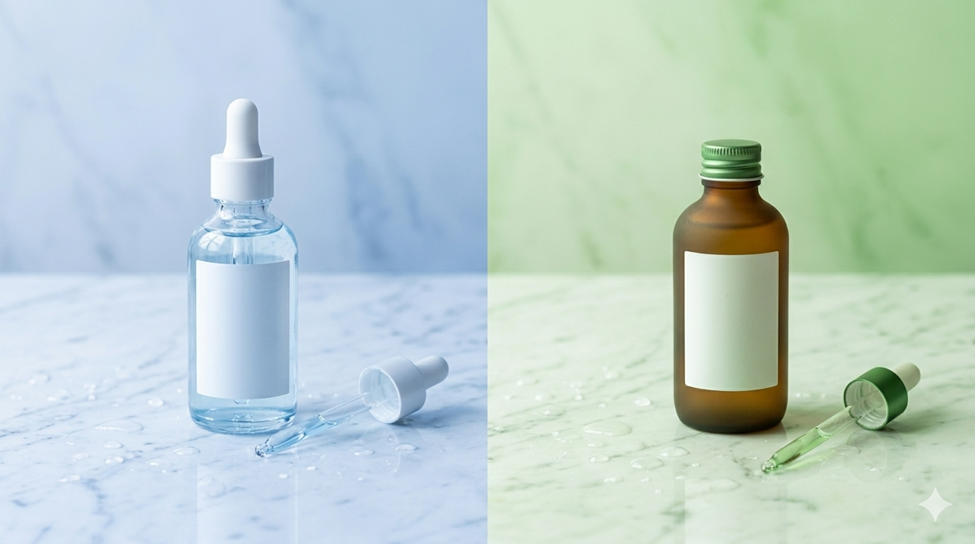
Which One Is Right for Your Skin Type?
For oily and acne prone skin, salicylic acid is the clear winner. Its ability to work inside the pore makes it fundamentally more effective at addressing the root cause of breakouts and congestion than any surface level exfoliant. If blackheads, enlarged pores, and frequent breakouts are your main concerns, salicylic acid is the ingredient to lead with.
For dry and normal skin, glycolic acid delivers better results. If your main concerns are dullness, rough texture, uneven tone, or early signs of ageing, and you are not particularly prone to breakouts, glycolic acid will give you a more visible improvement in skin radiance and smoothness.
For combination skin, the smartest approach is to use salicylic acid on your T zone where oiliness and congestion tend to concentrate, and glycolic acid on your drier cheek areas where brightness and texture concerns are more relevant. This targeted approach lets you get the benefits of both without over treating either area.
For sensitive skin, both ingredients need to be introduced with significant caution. Start at the lowest available concentration, use no more than once every three days, and monitor your skin carefully for redness or increased sensitivity. Salicylic acid is generally the safer starting point for sensitive skin due to its lower irritation potential.
Can You Use Both Glycolic Acid and Salicylic Acid in the Same Routine?
Yes, but not in the same step and not until your skin has adjusted to each one individually. Using both acids simultaneously in the same application dramatically increases the risk of over exfoliation, barrier damage, and the kind of rebound sensitivity that sets your skin back weeks.
The most effective approach for using both is to alternate them at different times. Use glycolic acid in the morning and salicylic acid in the evening. Or alternate them on different days of the week: glycolic acid on Monday, Wednesday, and Friday, salicylic acid on Tuesday and Thursday. This gives you the surface brightening benefits of glycolic acid alongside the pore clearing benefits of salicylic acid without stacking them on top of each other.
Signs that you are over exfoliating include tightness after cleansing, stinging when applying other products, sudden sensitivity to products that never bothered you before, and a shiny but dehydrated look. If you notice any of these, stop all exfoliation immediately and focus entirely on barrier repair for at least two weeks.
How to Introduce Either Acid Into Your Routine
Whether you choose glycolic acid, salicylic acid, or eventually both, the introduction method is the same. Start with the lowest available concentration. Use it once every three days for the first two weeks. If your skin tolerates it well with no irritation or sensitivity, increase to every other day. After another two weeks of tolerance, you can increase to daily use if your skin is comfortable.
Always follow either acid with a moisturizer to replenish the barrier and lock in hydration. Never apply an acid to broken, sunburned, or already irritated skin. And always use SPF 50 the morning after an acid application, as both glycolic and salicylic acid increase photosensitivity.
The Bottom Line
Glycolic acid and salicylic acid are both excellent ingredients that deserve a place in modern skincare. But they are not interchangeable. Glycolic acid works on the surface for brightness, texture, and anti-aging. Salicylic acid works inside the pore for acne, oiliness, and congestion. Choosing based on your skin type and primary concern is the key to getting real results from either.
For oily and acne prone skin, start with salicylic acid in your cleanser and pair it with a niacinamide serum. For dry and normal skin, start with glycolic acid in a toner or serum. And if you want the benefits of both, introduce them separately and alternate rather than using them together.
FAQ’s
Q: Which is better for acne, glycolic acid or salicylic acid?
A: Salicylic acid is better for acne because it is oil soluble and works inside the pore to dissolve the sebum and dead skin buildup that causes breakouts.
Q: Which California Skin+ product contains salicylic acid for oily and acne prone skin?
A: The California Skin+ Acne Control Cleanser is formulated with salicylic acid specifically for oily and acne prone skin. It penetrates inside the pore to dissolve sebum and dead skin buildup with every wash, keeping pores clear and reducing breakout frequency without stripping or drying the skin.
Q: Can I use glycolic acid and salicylic acid in the same routine?
A: Yes but not at the same time as using both together increases over exfoliation risk so alternate them at different times of day or on different days of the week.
Q: Is salicylic acid safe for sensitive skin?
A: Yes at low concentrations of 0.5% to 1% used once every three days to start, building up frequency gradually as your skin adjusts.
Q: Which California Skin+ product should I pair with a salicylic acid cleanser for the best results?
A: Pair the California Skin+ Acne Control Cleanser with the California Skin+ Acne Control Serum for the most complete oily skin routine. The cleanser clears pores with salicylic acid while the serum delivers niacinamide to regulate sebum, minimize pores, calm redness, and fade post acne dark spots.