The summer season begins with a feeling of complete independence which brings extended evenings and seaside excursions and the particular light that shines during the golden hour. The hot weather creates a battle experience for people who suffer from acne and oily skin instead of providing them with a break. Your skin starts to lose control when temperatures begin to rise. The moment humidity levels increase your oil glands start operating at maximum capacity which leads to unexpected breakouts that appear overnight.
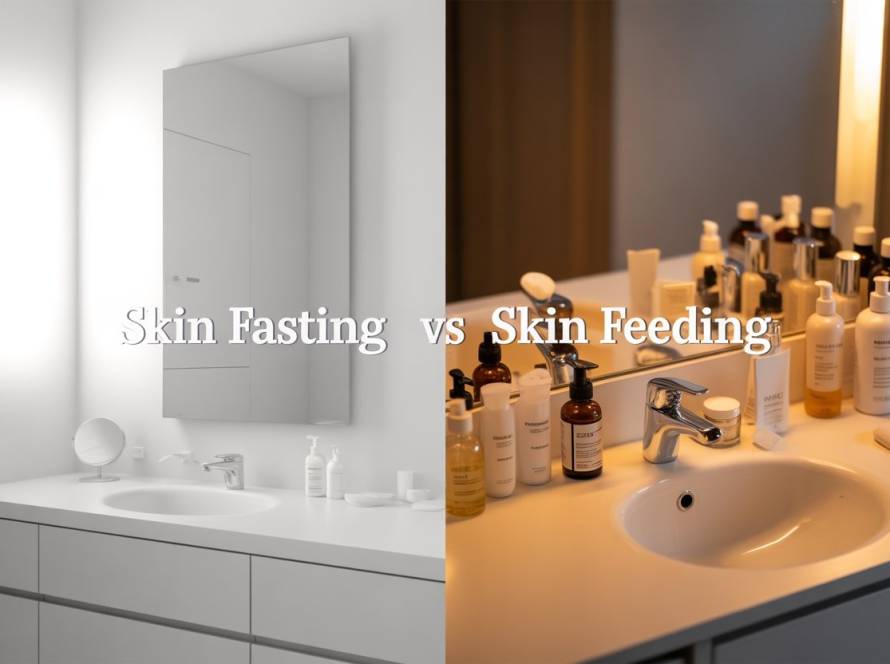
If you have ever felt like your face was literally melting by noon or noticed your pores looking more “congested” than a city highway, you are not alone. The trick to surviving the season isn’t adding ten new steps to your routine. It’s actually about stripping things back and helping your skin breathe. A solid place to start is just getting the sweat and grime off properly. I always suggest swapping out heavy milks for a high-quality anti pimple face wash to keep things clear without stripping your skin of its soul.
The Real Reason Your Skin Freaks Out in July
It isn’t just bad luck that makes you break out when it gets hot. It’s actually basic biology. Research shows that for every one-degree Celsius increase in temperature, your skin’s sebum (oil) production jumps by about ten percent. That is a massive shift. Your body creates a breeding ground for acne bacteria when you combine your excess oil with the salt from your sweat and the dead skin cells that your body fails to shed during humid conditions.
Then you’ve got the UV factor. We all want that sun-kissed look, but the reality is that unprotected sun exposure causes about eighty percent of the visible aging we see later on—think fine lines and those annoying dark spots that refuse to fade. Heat serves as a major factor that activates inflammation. The summer sun worsens the skin conditions of people who experience rosacea and cystic flare-ups. The simple cooling routine serves as an essential requirement because it protects your skin barrier from developing problems.
Getting the Basics Right: The Cleanse
Let’s talk about your morning and evening ritual. The winter season allows you to use either water or cream for your needs. The summer requires you to have protective gear. Your face needs a cleanser which can penetrate through your pores while maintaining your skin’s pH balance. The process needs to remove all daily facial contaminants without creating the “squeaky clean” sensation. When your skin becomes tight after washing it, you have used too much cleanser. Your body uses that tightness to signal your brain which then creates additional oil production that we want to stop.
You should work toward maintaining your performance. The combination of gym workouts and hot weather conditions requires you to take an additional cold water shower throughout the day to prevent future difficulties. The summer skin problem requires you to avoid hot water because it creates more skin redness. The process of maintaining a clean face “canvas” allows your facial products to operate effectively.
Dealing with the Gunk: Targeted Treatment
Once your skin is clean, you have to address the main summer villain: clogged pores. This is where a pore tightening serum becomes your best friend.The word “acid” and “serum” create an intense impression but salicylic acid works as a gentler alternative to traditional scrubs which use rough particles for skin treatment.
Salicylic acid functions as an oil-soluble compound which enables it to penetrate pores and dissolve all the sticky substances that cause blockages. The product works as a facial deep-cleaning treatment which maintains skin smoothness while stopping the development of fine under-the-skin bumps. The active ingredients in these products will increase your sensitivity to sunlight. You must apply sunscreen in the morning after using any nighttime treatment.
The Hydration Myth
One of the biggest mistakes people make when they feel oily is skipping moisturizer. understand the reasoning behind their decision because they think that additional moisture should not be applied to their skin which already feels extremely wet. The fact remains that oily skin types experience dehydration as well. Your skin creates more oil to handle the situation when your body experiences water shortages.
The secret is to discover a texture which provides a feeling of complete weightlessness. Water-based gels and extremely lightweight lotions serve as the ideal products to search for. The formula needs to contain hyaluronic acid which hydrates the skin and ceramides which maintain barrier protection yet should not include heavy oils that create a mask effect.
SPF is Your Only Real Insurance

We have to talk about sunscreen. If you’re trying to fade old acne marks, the sun is your biggest obstacle. UV rays make “post-inflammatory hyperpigmentation” (the dark spots left over after a pimple) much darker and harder to get rid of. Wearing a high SPF ensures that your past breakouts actually disappear instead of becoming permanent residents on your cheeks.
Try to find “non-comedogenic” formulas, which is just a fancy way of saying they won’t clog your pores. There are so many modern options now that don’t leave a white cast or feel like grease. And remember to reapply. If you’re outside, that first layer is usually gone after a few hours of sweating.
What occurs within your body at this moment
Your skin functions as an organ which reacts to everything you consume. Your body experiences continuous water loss through skin perspiration during summer months. Sufficient water intake serves two purposes because it satisfies your thirst and maintains your skin cells’ hydration.
For instance, antioxidant-rich food such as berries and leafy vegetables may help you protect your skin from UV damage or oxidative stress caused by the sun.
According to The National Institutes of Health (NIH), dietary antioxidant-rich food may also provide your skin with additional protection against UV damage due to its antioxidative properties.
If you’re a bit of a science nerd, you can check out the full details in this external study.
The Stats on Our Skin Habits
People demonstrate different approaches to maintaining their skin. According to statistics, approximately eighty-five percent of individuals aged twelve to twenty-four experience acne, with most reporting increased outbreaks during hot weather. The good news? People are getting smarter. Recent trends show a huge shift away from those complicated ten-step routines toward “skin minimalism.” Most people are now looking for routines with five steps or less. This is actually better for your skin. Fewer products mean a lower chance of a bad reaction or “pilling” in the humidity.
Dealing with the Random Emergency
People who experience extreme anxiety before important occasions will develop significant facial acne despite their efforts to prevent it. The condition results from three main factors which include elevated temperatures and anxiety levels and one specific hair product. The best course of action for you is to avoid touching the item. Your skin will develop permanent marks because of picking which requires a long time to heal.
You need to find an exact solution that meets your requirements. The specialized overnight spot treatment provides an effective solution which will reduce your inflammation at a single spot during your sleeping hours. The method establishes exactness without using excessive force to treat your entire facial area. Hydrocolloid patches provide another effective solution to skin issues. The patches create a sterile environment which prevents you from touching the area while they eliminate impurities through their moisture-absorbing function.
Giving it Time
The skin requires approximately one month for complete cell regeneration. You need to wait until the first month has passed before you can evaluate the results of your new routine which you started today, you can’t judge it by Friday. You have to give it a full month before you decide if it is working. Do not jump between products every three days. Your skin will experience confusion which will lead to increased skin irritation. Follow the established procedure. The process requires gradual adjustment which you should follow if you require assistance. You should apply additional moisture when your skin becomes excessively dry. You should try additional exfoliation twice each week when your current method fails to deliver satisfactory results. Your skin will provide you with everything you need to know.
Conclusion
The purpose of simplified summer skincare is to create an effective beauty strategy instead of promoting lazy behavior. You should perform deep cleansing to remove all blockages which should be followed by light hydration before applying protective measures which you should treat as essential for your safety. You can enjoy sun exposure without developing breakouts as long as you maintain all four essential elements. Many other preventive approaches yield better results than all but the most comprehensive medical treatments.
FAQs
Can I apply salicylic acid every day?
Most people can use the product daily but you should use it every other night when your skin shows peeling and oversensitivity.
Is it okay to skip moisturizer if my skin type is oily?
No, skipping moisturizer will dehydrate your skin, and its not best for your skin.
How to reapply sunscreen over the make-up I just applied?
You should apply powder sunscreen or setting spray products that contain SPF already in them.
Do pimple patches actually work?
Yes, especially on whiteheads. They create a “seal” that helps the skin heal faster and keeps the sweat and dirt of summer out of the pore.