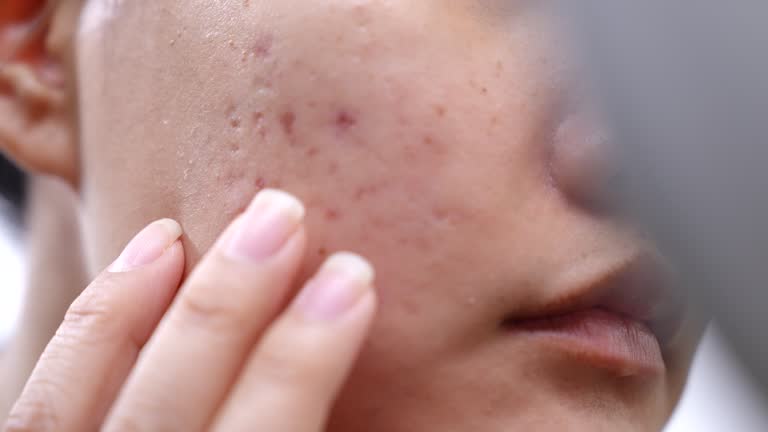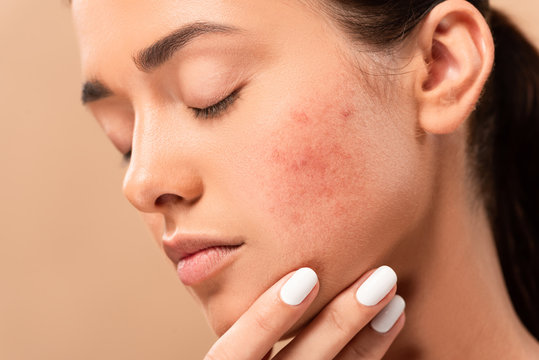
If your skin had the ability to write product reviews, you would be surprised by just how real they would be. It would not care about what’s trending, what works in high-end packaging, or what boasts remarkable claims. It would speak about what truly comes into contact with it every day and will do what you provide to it 24/7! It will complain if you do not balance your products properly; therefore, acne will show up! If your skin suddenly spoke, you would expect it to say something like:
“At last! Consistency and gentleness wins! Why do you keep coming at me with active ingredients without any break from them?! Not to mention, acne black spot remover doesn’t erase what’s already done to me by using too many products at once!”
Your Skin Notices Patterns, Not Promises
The skin doesn’t rate products based on first impressions but on cumulative use. Cleansers may feel wonderful at first but may eventually feel drying with long-term use. Products may feel amazing with immediate results but may slowly start to make skin feel sensitive with long-term use without hydration support. The skin rates products based on cumulative use by reviewing habits gleaned over time and reacting favorably or badly to a variety of routines. Many routines may fail because they are geared solely at trying to solve issues that may seem insurmountable. However, over time, the skin actually thrives on routines that are stable and consistent. Abrupt changes to products or ingredients may shock the skin into negative responses. Gradual integration and observation of skin behaviors help skin react favorably to products and ingredients.
This strategy allows one to identify a product that is improving the state of one’s skin and one that may be contributing to gradual problems. Listening to these “cumulative signals” is the key to attaining balanced and healthy skin.
Serums: Help or Overload
Serums are effective products, but they can negatively impact skin by being overused. The use of multiple serums at a given time may seem like a preventive measure; however, skin reacts best to a single-minded approach. It tends to do best with a spaceboxing effect and occasional breaks from treatments. Otherwise, skin could end up irritated despite the use of effective products. The skin may also fail to effectively utilize any of the multiple products you use on it by trying to process them at once. By spacing out the treatments and changing up your potent serums, you ensure that your skin is able to react properly to them.
However, if the routine remains simple and straightforward, then the products do their job with no skin impact of drying or flaring it up. Considering how the skin responds to each product is an important thing in creating an improved routine.
The Skin Barrier Has an Opinion
Although your skin does not seemingly communicate with you, trust me, your skin communicates with you the moment your skin’s protective barrier gets impaired. It could be characterized by such manifestations like skin redness, skin tenderness, rough skin texture, or frequent breakouts. But, we might ignore these manifestations and instead cause our skin long-term damage such as dryness, discoloration, and increased skin sensitivity to certain products or ingredients. Such damage to the skin’s protective barrier could result from:
- Over-exfoliation
- Intensive treatments are layered
- Moisturization is not applied.
- Harsh cleansers strip natural oils
Environmental stressors like the sun or pollution, for example, are unchecked.
It also helps that supporting the body allows its treatments to be effective more, rather than less, but that means maintaining a good rate of hydration, reducing inflammatory responses, and fostering an environment that allows the ingredients in treatments to demonstrate their effectiveness without also prompting irritation.
What Happens When Skin Is Ignored
In the last few years, there has been growing concern about the rise in the number of patients coming to dermatologists with irritation, damage to their skin, and even breakouts of acne after trying viral skincare trends on social media platforms. This is because most of these viral skincare trends involve over-exfoliating the skin with a number of products and ingredients without considering the needs of the skin. This is leading to a growing number of patients coming in with dermatitis due to these extreme regimens, which are proving to have more cons than pros for the patients. As per a recent report by Healthline, viral beauty trends on social media platforms like TikTok are giving rise to a number of skin allergies and irritation because of the harsh ingredients and complicated skincare regimens in these trends.
This is another instance that affirms what our skin has “been saying” all along: more does not equate to better, and more can indeed lead to worse.
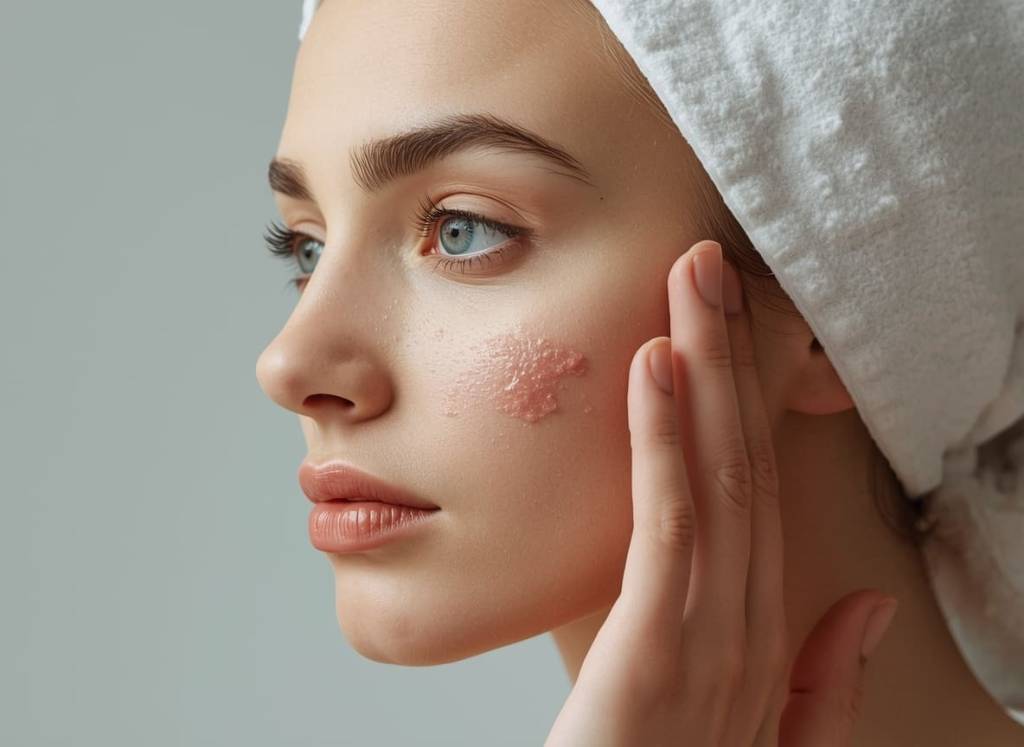
What Data Says About Acne and Over-Treatment
Results on the worldwide level from the results obtained during a recent study show that the estimation of the prevalence of acne vulgaris was high among people on a worldwide level, particularly among young individuals belonging to different age groups. To be more precise, according to the results obtained by a recent study on acne vulgaris in 2021, it was found that the age-standardized prevalence rate among people between 10-24 years old was increasing in the world regarding acne vulgaris. Specifically, among teenagers between 15-19 years old, it was found that there was a high prevalence.
How Skin Would Grade Your Routine
Here is how skin typically evaluates product categories when everything works in harmony:
| Routine Step | Skin’s Expectation | Result When Balanced |
| Cleansing | Clean without stripping | Calm, clear surface |
| Treatment | Target issues selectively | Reduced breakouts |
| Moisturizing | Restore hydration | Stronger barrier |
| Protection | Prevent external stress | Fewer flare-ups |
When a step is dominant, the process falls apart.
Why Less Often Feels Like More to Skin
Skin thrives on simplicity and restriction. Using fewer products allows skin to normalize and adjust properly. As skin routines become simpler, skin irritation decreases and rates of healing increase. Adding too many active ingredients into your routines and/or constantly changing the kind of products can be very confusing to the skin, causing most of your products to be ineffective. You are thereby causing the skin to take even longer to heal, which is very frustrating. Benefits of simple routines:
- Faster recovery from breakouts
- Less redness and dryness
- Better tolerance to treatments
- Improved barrier function over time
- Less chance of ingredient incompatibilities
Consistency trumps intensity, resulting in stronger, healthier, and tougher skin as a final outcome.
How Skin Responds to Protection
Skin would definitely be supportive of products designed for protection against active breakouts. This will help in keeping the affected areas guarded from bacteria, friction, and even picking at the blemishes. Protection will not only assist in the healing process but will not disrupt the normal functions of the surrounding areas either. Therefore, by utilizing protection mechanisms such as gentle dressing, spot patches, or even protective covering, one can ensure that these regions heal instead of struggling with maintenance of their own protection. It would be especially beneficial for people suffering from great levels of post-breakout scars and sessions since protection can be used to reduce further irritation so that pigmentation or scarring does not take place to begin with.
Listening to Skin Feedback
It communicates with you clearly if you pay enough attention to what to look for. The clear signs of improvements are a reduction in sensitivity, faster rates of healing, and a uniform texture.Distress, on the other hand, will be characterized by irritability, worsening of skin problems, and burning and tight sensations. Through being sensitive to what your skin tells you about different products, you will avoid making your skin suffer and will be able to live a healthy lifestyle. Apart from keeping track of how well or badly your skin reacts to certain items, reactions like feeling itchy to the touch, change in texture in the sense that the skin sometimes turns red after being exposed to certain products, will give you a fair idea of how your skin reacts to different items. It might also give you an idea of whether you should bring a few changes to a given product or swap the product entirely depending on the changing times of the year or your lifestyle and levels of stress. Listening to your skin will ensure you are always able to maintain a healthy lifestyle by having a balanced skin that heals rapidly from any stress caused by the environment or your lifestyle.
Building a Routine Skin Would Recommend
Skin, if it could design a routine for you, would insist on:
- Gentle cleansing
- Interventions precisely in the required areas only
- Hydration on a daily basis
- Guaranteed protection
It would also avoid the problem of panic buying as well as trend chasing.
Conclusion
If your skin could write reviews, it would probably be happy with skincare routines that embody balance, patience, and protection. It would send cautionary notes about constant experimentation and aggressive layering. Skin loves support, not daily challenges. Products must work together, never in competition. And when breakouts do arise, thoughtful solutions like acne patches help protect healing skin and maintain barrier integrity and routine stability.
FAQs
1. Why does the skin react even if I am using “good” products?
The product can be of high quality, but not suitable for your skin type or skin balance.
2. How many active products should I use at a given time?
Normally it is best to have just one or two. Too many increase the level of irritation.
3. How long should I test a product before judging its result?
At least 3 to 4 weeks, unless irritation is immediate.
4. Can over-cleansing cause acne
Yes. Stripping oils may cause rebound oil production and clogged pores.
5. Do protective products help prevent acne marks?
Yes. Protecting active breakouts will help minimize picking, friction, and inflammation.