We all have experienced that specific moment. You see your reflection in the mirror as you prepare for an important event which could be a wedding or presentation or weekend trip. Your face shows a new pimple which looks like a red spot that needs to breathe. Your first response will show your mixed emotions of irritation and your basic instinct to repair the problem. You reach for the strongest, most drying spot treatment you have, hoping to blast it into oblivion by morning.
But here’s the thing: skin is rarely that simple. If you treat a hormonal cyst like a simple sweat breakout, you’re going to end up with a dry, flaky patch and a pimple that’s still there. To actually get clear, you have to play detective. You have to ask: Why is this happening right now?
The adult skin condition developed through two distinct pathways, producing two different types of acne: Hormonal Acne and Lifestyle Acne. The two conditions share physical similarities yet their respective origins develop through entirely different pathways.
One is an “inside job” dictated by your biology; the other is a reaction to the world around you.
Before we get into the nitty-gritty of the “detective work,” remember that the best way to handle any breakout is with a balanced approach. Starting your routine with a clinical-grade acne control serum can help manage the oil regardless of what triggered it, without stripping your skin of its soul.
What the Numbers Actually Tell Us
If you feel like you’re too old to be dealing with this, I have some news that might make you feel better (or at least less alone). Acne isn’t a “teenage phase” we all graduate from. It’s a chronic condition for millions of adults.
As per a study published in the Journal of the American Academy of Dermatology, close to 50% of women in their 20s and 25% of women in their 40s are actively fighting acne. The condition occurs because of biological factors instead of being caused by poor hygiene practices. The Sleep Foundation study discovered that sleep deprivation causes our bodies to produce elevated cortisol levels which results in a 10% increase of sebum production in our skin.(Source)
That’s the “lifestyle” side of the coin. Your skin is essentially a giant billboard for what’s happening in your body and your schedule.
Part 1: The Deep Dive into Hormonal Acne
Hormonal acne is the stuff that feels personal. It’s driven by internal shifts specifically androgens like testosterone. Even if your “levels” are technically normal, your skin might just be extra sensitive to the fluctuations that happen during your cycle.
The Geography: The “U-Zone”
The U-Zone pattern shows itself through breakouts which remain fixed to the jawline and chin and neck sides of your face. The regions contain numerous oil glands which respond strongly to hormonal signals. While a teenager might get blackheads on their nose, an adult with hormonal shifts will almost always see them along the jaw.
The Texture: Deep and “Blind”
Hormonal acne isn’t usually the “satisfying” kind you can pop. These are often deep, cystic bumps. The skin produces a continuous discomfort which resembles a dull ache. The skin conditions appear as red and swollen areas which lack a visible head. The deeper skin layers take extended periods to heal because of their dermal depth which results in permanent skin discoloration (hyperpigmentation).
The Timing: The Calendar Connection
This is the biggest giveaway. If your skin is crystal clear for two weeks and then turns into a war zone five days before your period starts, it’s hormonal. This happens because as estrogen and progesterone drop, testosterone becomes the dominant voice in your body, telling your oil glands to go into overdrive.
Part 2: The Truth About Lifestyle Acne
Lifestyle acne is the result of the world we live in. It’s what happens when our habits collide with our pores. The good news? This is the type of acne we have the most control over.
The Geography: The “T-Zone” and Beyond
Lifestyle acne doesn’t have a favorite spot. It pops up wherever the friction or the oil is.
- The Forehead: Often from sweat, hair products (pomade acne), or wearing hats/helmets.
- The Cheeks: Think about your phone screen or your pillowcase. Bacteria loves a warm, porous surface.
- The Nose: Usually related to excess oil and environmental pollutants.
The “Hidden” Triggers
We often think of lifestyle acne as just “being dirty,” but that’s a myth. It’s more about environmental stress:
- Dietary Spikes: Science reveals that “high glycemic foods” (sugar-laden snacks, white bread, and soda) result in a sudden insulin surge. The insulin surge triggers a chain reaction that ultimately results in you guessed it more oil.
- Stress (The Cortisol Factor): Your adrenal glands activate cortisol production when you experience stress. Cortisol functions as a “green light” which activates your sebaceous glands.
- Product Overload: This is a big one. Sometimes, in our quest for clear skin, we use five different acids and a scrub. This destroys the skin barrier, leading to “reactionary” acne.
Comparing the Two: A Quick Reference
If you’re standing in the skincare aisle trying to decide what to buy, use this table as your “cheat sheet” to figure out what you’re actually dealing with.
| Feature | Hormonal Acne | Lifestyle Acne |
| Common Sites | Jaw, Chin, Neck (The U-Zone) | Forehead, Nose, Random (The T-Zone) |
| Typical Lesions | Big, red and painful cysts | Whiteheads, blackheads and tiny red bumps |
| Pain Level | High level of pain (tender to the touch) | Low (perhaps a little itchy or tight) |
| The “When” | Follows your cycle or life stages | Follows a busy week, poor diet, or new products |
| Root Cause | Internal chemistry / Androgens | External factors / Stress / Hygiene |
| Response to Scrubbing | Gets angrier and more inflamed | Might feel temporarily smoother, but often recurs |
The Game Plan: How to Heal Without the Drama
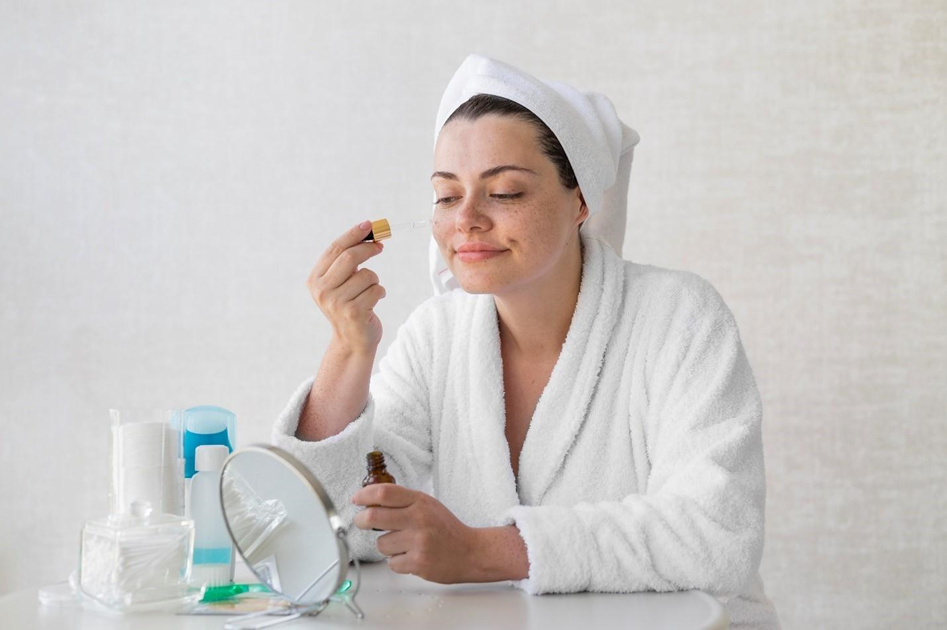
Here is the “Human” truth: your skin doesn’t need to be “conquered.” It must be assisted. The objective is to reduce inflammation and maintain clear pores without causing a mid-face crisis, regardless of whether your acne is caused by hormones or habits.
Step 1: Don’t Strip, Clean
The majority of people want to feel full clean face.” That’s a mistake. Squeaky clean means you have removed all your natural skin oils, which causes your body to produce excess oil as a response to the oil loss.
The Routine: Use a specialized acne cleanser two times per day at morning and night. The nighttime cleanse should be complete when you have just finished exercising at the gym or wearing heavy makeup. You need to massage it for 60 seconds because you should not perform a quick splash and dash.
Step 2: The Stage of Treatment
The heavy lifting takes place here.. You need an active ingredient that can get inside the pore to break up the “plug” of dead skin and oil.
- How to use our Serum: After cleansing, apply the Acne Control Serum to your problem areas. If you’re dealing with hormonal jawline acne, focus there. If it’s T-zone lifestyle acne, focus on the forehead and nose.
Step 3: The Skin Barrier’s “Magic”
The role of moisturizing skin with acne cannot be emphasized enough. Lifestyle acne becomes ten times harder to deal with when your skin barrier is broken and bacteria can easily penetrate.
- The Solution: A restorative barrier repair moisturizer is your secret weapon. It contains the lipids and ceramides your skin needs to seal itself off from the world.
- When to use: Every single morning and night. Even if you feel “oily,” this will help regulate that oil over time.
Step 4: Emergency Tactics
Everybody has those mornings when a flaw suddenly shows up.
- For the Redness: apply a spot relief treatment for an hour as soon as you notice a “tingle.” It aids in reducing inflammation before it gets out of control.
- For the “Gunk”: If you have a whitehead that looks like it’s ready to pop—don’t. Put on a triple-action pimple patch. It keeps you from picking (which causes scarring) and sucks out the impurities while you go about your day.
3 “Human” Habits to Try This Week
Don’t try to make all the changes at once if you believe that your way of life is the problem. Choose one of these and follow it:
- The “Phone Wipe”: Throughout the day, we touch our phones and then our faces. Every morning, quickly wipe your screen with an alcohol pad. Your cheeks will appreciate it.
- The “Sugar Swap”: You don’t have to go full keto. The replacement of your afternoon soda or sugary latte with water or tea will make a positive impact on your body. Insulin levels above normal range create a significant risk for developing acne.
- The “Cool Down”: Sweat is fine, but dried sweat is a pore-clogger. The optimal answer for your post-exercise requirements needs you to first wash your face with cool water before you begin to dry your face.
The Bottom Line: Be Kind to Your Face
Your skin is doing its best. It’s a complex organ trying to protect you from the world. The breakout sends a message to you that your body functions through your hormone levels and stress levels which need to be assessed. The most important thing you can do is stop the “war” on your pores. You should replace your current practice of using abrasive tools together with intense scrubbing methods with a practice that promotes healing. A dermatologist-designed barrier repair moisturizer provides multiple benefits because it helps you treat a pimple while creating a stronger base for upcoming skin health needs.
The complete collection of science-based solutions at California Skin Plus will help you achieve your desired skin results because you want to stop using guesswork. The hard work has been completed by us because we want to make your tasks easier.
FAQs
1. Can I have both lifestyle and hormonal acne at the same time?
Yes, because both conditions actually support each other. The cycle begins with your stress from your everyday life which causes your body to produce cortisol that disrupts your reproductive hormones. The cycle repeats itself but you can break it through establishing regular habits.
2. My skin breakouts exists despite my excessive water consumption, what should I do?
Your skin maintains its plump appearance when you consume water but it doesn’t treat acne. The treatment of acne requires multiple body systems to work together because water alone cannot resolve the problem.
3. Is it okay to use a spot treatment every day?
Only on the spot itself! If you apply spot treatment on your full face your skin will get irritated, so it is best to avoid it.
4. How much time will my new routine take to fix my skin?
Given any new product like our barrier repair system at least 6 weeks before you decide if it’s working. According to science, the cell regenerates every 28 to 40 days.
5. Why does my acne condition worsens before it starts to improve?
The process is frequently referred to as “purging. When you start using effective actives (like those in an acne serum), they speed up cell turnover. The body expels all accumulated “gunk” which was concealed in your pores through the process.