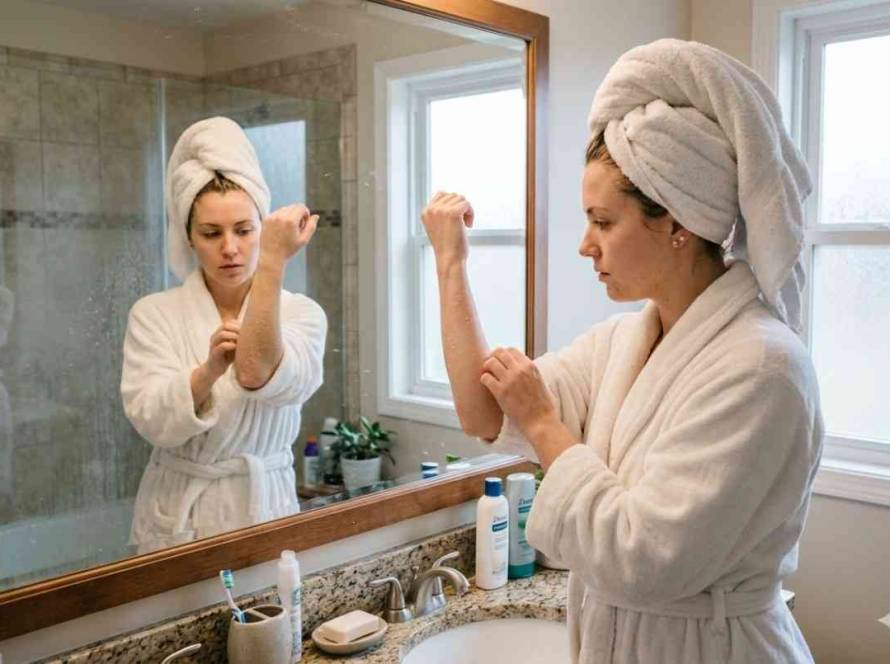
The moment you open your eyes and look into the mirror. Your face shows another breakout. Your breakout happens when you need to look your best for an upcoming important event. People around you all share the same belief. “It is just a phase. It will go away.” Nobody actually explains the situation to you with complete details. People need to explain to you the reasons behind the recurring issues and the ways different products affect your condition and the actual extent of your emotional struggles. This blog functions as the dialogue that nobody had with you. The one which people failed to establish with you.
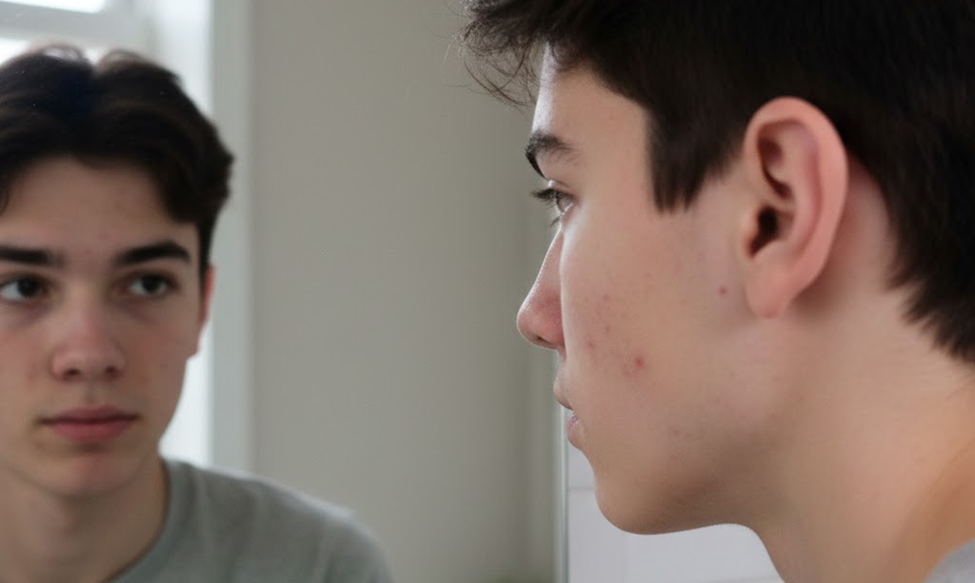
Teenage acne constitutes one of the most prevalent skin disorders during adolescence. The condition affects 85% of people between 12 and 24 years old. Most teenagers need to solve their problems through self-discovery because of its widespread existence. They learn through practice until they discover what actually works. They obtain incorrect information from online content. They use products that make excessive claims but fail to deliver results. They face negative reactions from their family members who want to help them but only create more problems.
Teenage acne creates more than just a physical appearance problem. Your facial acne creates visibility because everyone sees your face. You can see it when you are in the classroom or looking at pictures or seeing your reflection in mirrors. Your condition follows you everywhere because it behaves differently than a sprained ankle or headache. People make comments about your condition. They share home remedies. They do this because they treat you as though you are responsible for the condition.
It Is Not Just About Hygiene
One of the most unfair things about teenage acne is the assumption that it means you are not washing your face enough or eating too much junk food. The truth is far more complicated. During your teenage years, your body produces higher levels of androgens, hormones that signal your skin to produce more sebum, which is the natural oil your skin makes. More oil means more clogged pores. More clogged pores mean more breakouts. This is biology, not a personal failing.
Stress hormones like cortisol also spike during exams, social pressure, and big life changes, and they make acne significantly worse. Sleep deprivation does the same. So does wearing a mask for long hours or resting your chin on your hands while studying. Acne does not always come from something you did wrong. A lot of the time, it comes from the life you are living.
The Emotional Weight Nobody Warns You About
Here is the part that is almost never talked about. Acne affects how you show up in the world. You cancel plans because of a breakout. You avoid mirrors. You spend five extra minutes in the morning trying to cover it up. You scroll through social media and wonder why everyone else seems to have clear skin. You feel self-conscious in class photos. You dread running into someone you like.
This is real and it matters. Studies have linked teenage acne to higher rates of anxiety, low self-esteem, and even social withdrawal. Your feelings about your skin are valid, and they are far more common than anyone lets on. The people who seem unbothered either have a skin type that clears easily or are better at hiding it than you think.
The Skincare Mistakes That Make It Worse
When breakouts start, the instinct is to scrub harder, use stronger products, and do more. Most of the time, this backfires badly.
Over-washing your face strips your skin of its natural moisture. Your skin responds by producing even more oil to compensate. Harsh scrubs with rough particles create tiny tears in the skin, making it more inflamed, not less. Using too many active ingredients at once, like layering multiple acids and spot treatments, overwhelms your skin barrier and causes redness, peeling, and sensitivity without actually clearing the acne.
What actually works is gentler than you expect. Start with a cleanser that is designed for acne-prone skin and does not strip your face dry. The California Skin+ Acne Control Cleanser is one option worth looking at. It is formulated to target excess oil and bacteria while keeping the skin balanced, which is exactly what teenage skin needs. No aggressive scrubbing, no over-drying. Just a clean, calm base to start from.
Skincare Ingredients Safe for Teenage Acne-Prone Skin
| Ingredient | What It Does | Safe for Teens? | Notes |
| Salicylic Acid (0.5% to 2%) | Unclogs pores, reduces blackheads | Yes | Start with lower percentage |
| Niacinamide (up to 5%) | Controls oil, fades dark marks | Yes | Great for post-acne marks |
| Hyaluronic Acid | Hydrates without adding oil | Yes | Use on damp skin for best results |
| Ceramides | Repairs and protects skin barrier | Yes | Ideal for sensitive or over-treated skin |
| Tea Tree Oil (diluted) | Antibacterial, targets active pimples | Yes | Never use undiluted directly on skin |
| Glycolic Acid | Exfoliates dead skin cells | Use with caution | Too strong for daily teen use |
Your Skin Barrier Is the Most Important Thing You Have Never Heard Of
Most teenagers have never heard of the skin barrier. It is the outermost layer of your skin that keeps moisture in and bacteria and irritants out. When it is working well, your skin feels comfortable and resilient. When it is damaged, which happens easily with harsh skincare, your skin becomes red, reactive, and more prone to breakouts.
A lot of teenagers damage their skin barrier without realizing it by using alcohol-based toners, over-exfoliating, or trying every trending product at once. Once the barrier is compromised, even gentle products can sting or cause irritation.
This is where a moisturizer designed to repair and protect the skin barrier becomes genuinely important, even for oily and acne-prone skin. Skipping moisturizer because your skin feels oily is one of the most common teenage skincare mistakes. Without it, your barrier weakens and your skin overproduces oil to compensate. The California Skin+ Barrier Repair Moisturizer is lightweight enough for acne-prone skin and works to restore what aggressive products and environmental stress break down. It is the kind of step that makes everything else in your routine work better.
Picking and Popping Makes It So Much Worse
Everyone knows this and almost everyone still does it. When you see a pimple, the urge to squeeze it is almost automatic. But picking at acne pushes bacteria deeper into the skin, increases inflammation, and significantly raises the chances of scarring.
Acne scars from picking can last months or years after the original breakout has healed. The dark marks left behind, called post-inflammatory hyperpigmentation, are often more stubborn than the acne itself. If you are going to touch a breakout at all, use a proper spot treatment or a pimple patch instead of your fingers.
Clear Skin Takes Time and That Is Okay
The skincare industry loves to promise fast results. Two days. One week. Overnight transformation. The reality is that skin cell turnover takes about four to six weeks, which means most products need at least that long to show a real difference. Starting a new routine and giving up after ten days because nothing changed is one of the most common reasons people never find what actually works for them.
Be consistent. Give your routine time. Keep it simple. Cleanser, moisturizer, and a targeted treatment if needed. That is enough to start.
The Takeaway
Having acne as a teenager does not mean you are dirty, lazy, or doing something wrong. It means your hormones are doing what they are supposed to do, and your skin is going through one of the most challenging periods it will ever face.
What actually helps is understanding your skin instead of fighting it. Gentle cleansing, barrier support, consistent habits, and giving your routine real time to work. The noise online makes it seem complicated. It does not have to be.
Your skin is not your enemy. It just needs a little patience and the right support.
FAQ
Is it normal to have acne at 14 or 15?
Yes, completely normal. Acne typically begins around puberty when hormone levels rise and sebum production increases.
Should teenagers use a moisturizer if they have oily skin?
Absolutely. Choose a lightweight, non-comedogenic formula like the California Skin+ Barrier Repair Moisturizer that hydrates without clogging pores.
How long does it take for a teenage skincare routine to work?
Most routines need four to six weeks of consistent use before results are visible.
Which is the best cleanser for teenage acne?
The California Skin+ Acne Control Cleanser is the best cleanser that removes excess oil and targets acne-causing bacteria without stripping your skin dry.
Can wearing sunscreen cause more breakouts for teenagers?
No, only if you are using the wrong kind. Heavy, greasy sunscreens can clog pores and trigger breakouts on acne-prone skin.
Why does acne get worse during exams or stressful periods?
When you are stressed, your body releases a hormone called cortisol. Cortisol signals your skin to produce more oil, which clogs pores and leads to breakouts.