We’ve all been there. After a long hot day at either the beach or riding the subway back home at night, your entire face can feel heavy/full of an invisible mask, made up of both the “waterproof” sun block that you put on around 10:00 AM, too much perspiration + salt, along with the dirt that was blowing around the city. In the skincare world, we call this the “summer sludge,” and if you do not get it off properly, you are looking at a serious breakout by Tuesday.
The problem is that our skin changes its chemical makeup when the temperature rises. It is not just “more oil.” It is a different kind of oil. When your sebum mixes with high heat and UV rays, it thickens. It becomes more like a wax than a liquid. This is why your gentle, milky winter cleanser suddenly feels like it is doing absolutely nothing. You need a strategy that is as aggressive as the summer sun but as smart as a chemist.

The Science of the Summer Sludge
Why does skin feel so much grittier in July than in January? It is a physical interaction of three specific things that happen on a microscopic level.
1. The Sweat Trap
In addition to its water content, sweat has salt and urea added as well as significant amounts of protein. After evaporation, the watery portion of your sweat leaves behind these solid ingredients that form a sticky bond with your skin (and everything else) creating a crusty film of material (e.g., pollen, air pollution, dead skin) remaining on the surface of your skin. If you’ve ever experienced the feeling of a “crusty” film following exercise, we are referencing the same film!
2. The Sunscreen Shield
To get that “SPF 50” or “Water Resistant” rating, brands use heavy minerals or chemical filters designed to stay put through swimming and sweating. They are literally engineered not to come off easily. A quick 10-second splash with a foaming wash isn’t going to touch the silicone base of a modern sunscreen.
3. The Dust Magnet
Heavy air is created by high levels of humidity in the atmosphere. Due to high levels of humidity in the atmosphere, there is high air resistance due to large quantities of particulates in the air, as well as high air pressure and higher temperatures. These particulates can build up on people’s faces due to sweat. As these particulates sit on a person’s face or skin, they create oxidative stress, which causes premature skin aging as a result of more inflammation above the normal level, due to high humidity levels.
In addition, research published in PubMed determined that, on average, 55.9 percent of individuals assessed found their acne to worsen significantly in summertime conditions. It isn’t just bad luck; it is a physiological shift. This reality requires a serious acne treatment plan that starts the moment you walk back through your front door. (Source)
The Power of the Salicylic Acid Cleanser
If your pores are currently under siege, you need to stop reaching for the “gentle” stuff and bring in the heavy hitters. This is where a salicylic acid cleanser becomes the undisputed MVP of your bathroom cabinet.
Most cleansers only wash the surface. But because salicylic acid is oil-soluble (it’s a Beta Hydroxy Acid or BHA), it doesn’t just sit on top of the skin. It actually dives into the pore, travels through the oil, and dissolves the “cellular glue” that is holding all that gunk together. It is like a liquid pipe-cleaner for your face.
Why it is essential in Summer:
- Deep Pore Decongestion: The treatment prevents blackheads from developing into full pimples.
- The Oil-Slick Fix: Regular use actually tells your oil glands to calm down by signaling that the surface is already clear.
- Anti-Inflammatory: If your skin is red from the heat, salicylic acid helps take the “fire” out of it.
| Benefit | How it Works | Best For |
| Exfoliation | Dissolves cellular debris | Dullness and rough texture |
| Pore Clearing | Liquefies trapped sebum | Blackheads and congestion |
| Oil Control | Penetrates oily layers | Oily/Combination skin |
Targeted Repair: Choosing a Serum for Acne Prone Skin
The process of cleansing requires you to continue your work after your initial cleansing effort. The cleansing process helps your skin to receive the appropriate repair treatment which will benefit your skin. In the summer, the last thing you want is a thick heavy cream. The product creates an unpleasant feeling which increases your body temperature making it difficult to breathe because the skin cannot release heat.
The superior advantages of a high-quality serum for acne prone skin make it more effective than other treatment options. Serums provide “active-heavy” contents while maintaining “weight-light” properties. The product delivers Niacinamide and Zinc to the skin through a method that eliminates the need for traditional moisturizing products which contain waxes and oils.
People searching for acne serum should choose products which combine two essential functions. The product should destroy P. acnes bacteria while it acts to defend the skin barrier which sun exposure damages. The serum improves skin condition through its hyaluronic acid content because it maintains skin moisture without creating oily texture.
The Paradox: Deep Moisturizer for Very Dry Skin
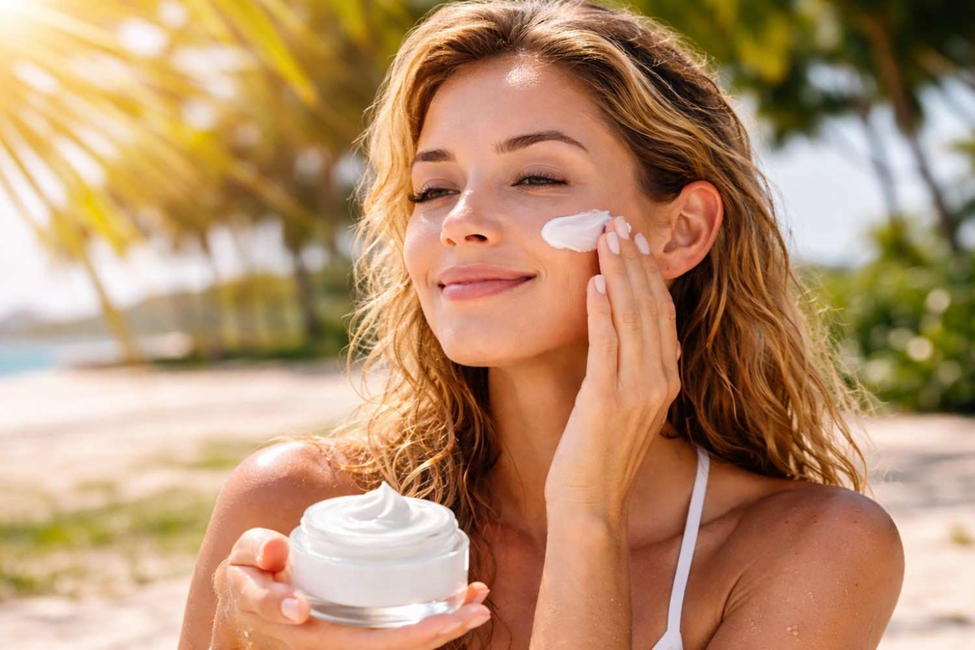
When someone has oily skin, they believe a moisturizer is not needed and that is false! Your skin will do whatever it can to keep itself from drying out. If you have not applied moisture to your skin, your body goes into panic mode trying to figure out how to provide moisture. Your body responds to this pressure by creating extra oil, which protects your skin from becoming dry.
If you have naturally dry skin, you need to use a moisturizer that works for extremely dry skin conditions, but you must select a different type of moisturizer. People choose their clothing according to weather conditions because they need protection from their environment.
You should search for a deep moisturizer that treats extremely dry skin, which contains the following components:
- Ceramides: function as the “mortar” that binds together your skin cells, which act as “bricks” for your skin structure. They stop water from leaking out.
- Hyaluronic Acid: capacity to hold water equal to 1,000 times its weight. It provides hydration to your body without delivering any oil.
- Glycerin: A classic for a reason, it creates a weightless seal so your hydration doesn’t evaporate into the hot summer air.
Comprehensive Acne Treatment Strategy
Building a summer-proof acne treatment routine isn’t just about buying products; it is about the “ritual” of how you use them. Here is a research-backed way to handle a heatwave:
`1. The Double Cleanse Method
This is non-negotiable if you wear sunscreen. Use an oil-based balm or micellar water first to melt the SPF. Then, follow up with your salicylic acid cleanser to actually treat the skin. If you skip the first step, your cleanser is just fighting the sunscreen and never actually reaches your pores.
2. Watch the Frequency
Excessive exfoliation should be avoided because it will harm your skin. Scrubbing your face until it becomes raw will result in skin damage because your acid mantle gets destroyed which makes your skin more susceptible to sunburn. The “sweet spot” for active cleansers exists between three times per week and their usage by most people.
3. The 60-Second Rule
Most people wash their face for about 5 seconds. The salicylic acid requires more time to complete its work. You must use your cleanser for one full minute to wash it off after you concentrate on your nose and chin and forehead areas.
Research Insights: Why Your Routine Fails
Your skin problems persist despite your efforts because traditional acne methods do not apply to your situation.Dermatologists observe a significant increase in Acne Mechanica and Folliculitis cases during the summer months.
- Acne Mechanica: This skin condition occurs when frictional forces come into contact with the skin. The contact points of sunglasses with your nose and the contact points of hats with your forehead serve as demonstration points for this phenomenon. The fabric or plastic material creates friction which causes sweat to build up in that area to create a breakout.
Folliculitis: This condition results from an infection that affects the hair follicle. The condition appears as small red bumps which result from bacteria that remain active on your gym clothes and damp towels.
Pro Tip: Use your salicylic acid cleanser as a body wash on your chest and back too. It is one of the best ways to keep “backne” at bay when the humidity hits 90%.
The Role of Humidity and Sebum Chemistry

We need to get a bit nerdy for a second to explain why summer skin has different sensory experiences. Your body produces sebum as its natural oil which contains squalene as its primary component. Under normal conditions, it is great. But when UV rays hit squalene, it “oxidizes.”
Oxidized oil is basically poison for your pores. It becomes thick, sticky, and highly comedogenic. This is why a simple splash of water isn’t enough. You need the chemical “degreasing” power of a BHA to break those bonds.The oxidized oil will remain in your skin unless you apply a specific acne treatment which will transform it into a painful cyst that develops deep beneath your skin.
Deep Hydration vs. Surface Grease
There is a huge difference between “oily” skin and “hydrated” skin. Many people with oily summer skin are actually “surface oily, internally dry.” The skin barrier loses its strength when the skin becomes dehydrated. This condition enables bacteria to penetrate the skin with greater difficulty.
This is why a deep moisturizer for very dry skin is actually an anti-acne tool. By keeping the skin supple and “sealed,” you prevent the micro-tears that lead to inflammation. The trick is to apply your moisturizer to damp skin. The formula creates a barrier which prevents facial moisture from escaping through evaporation during warm conditions.
The Impact of Diet and Lifestyle
The summer season causes acne breakouts because people need to consider both their skincare products and their food intake. The consumption of high-glycemic foods which include sugary sodas and ice cream leads to increased insulin levels that result in higher oil production within the body.
The combination of your acne treatment with an antioxidant-rich diet which includes berries and leafy greens and abundant water consumption will protect your skin from the harmful effects of sun oxidative stress. The method uses a complete body treatment system. Your daily sugar consumption prevents you from succeeding with your salicylic acid cleanser.
Environmental Factors You Can Control
Think about your pillowcase. Your body produces sweat during summer nights. Your pillow collects sweat together with your nighttime serum for acne prone skin, and ends up on your pillow. If you don’t change that pillowcase every 2-3 days, you are essentially rubbing old bacteria back into your pores every night.
Your selection of hair products requires careful evaluation. Your body sweat causes hairspray and heavy conditioners to flow down your forehead and neck at all times. The main reason for “hairline acne” to occur in people arises from this situation. You should keep your hair away from your face during the hottest times of day while you need to wash your face after completing your hair conditioner rinse in the shower.
Conclusion
Summer skincare involves maintaining the current state of your skin and not making major changes to it. You do not have to use strong acids or bleach to achieve and maintain healthy skin, just remain consistent with your routine.
You need to clean your body every night because your current state needs to be addressed. Apply the serum for acne-prone skin to treat your underlying skin problems. You must use your deep moisturizer for very dry skin because it is required for you to maintain your skincare routine. The summer becomes an enjoyable experience when you maintain your skin barrier protection while keeping your pores clean.
Frequently Asked Questions
1. Can I use a salicylic acid cleanser every day in the summer?
Usually, yes. Because it is a wash-off product, it is less irritating than a leave-on cream. Most people find that using it every evening is the perfect way to reset their skin after a long day of sweating and SPF application. If you notice any peeling, drop back to every other day.
2. Is a serum for acne prone skin better than a spot treatment?
Think of a serum like an insurance policy and a spot treatment like a fire extinguisher. The serum prevents the “fire” from starting by keeping your skin’s biology in check and regulating oil. The spot treatment is only for when the fire is already burning. For long-term clarity, the serum is much more important.
3. Does a deep moisturizer for very dry skin cause more acne?
Only if it is the wrong formula. If you use a thick, petroleum-based cream meant for the body, yes, you might clog. But if you use a modern, non-comedogenic deep moisturizer for very dry skin specifically for the face, you are actually helping your acne. Hydrated skin heals faster and produces less excess oil.
4. Why is my acne treatment not working during the heatwave?
It is likely a “speed” issue. In a heatwave, your skin is producing oil and shedding cells faster than your products can keep up. You might need to “double down” by using your cleanser for a full 60 seconds (no rushing!) to give the ingredients time to work, or adding a cooling mist to your routine to lower the skin’s surface temperature and slow down the oil production.