Acne might eventually sort of clear itself up, but the reminders it leaves behind can hang on, for months or, like years, longer than you’d expect. For a lot of people, getting rid of breakouts is kind of only half the effort, because those lingering spots, often darker, end up turning into the next real skincare issue. Then people start looking for products and particular ingredients that can help bring back a more even, uniform complexion. That’s where a carefully planned post acne marks treatment routine starts to matter. Of the many options you can find now, kojic acid has become a commonly used choice, mostly when dealing with discolouration that comes from acne. Still, does it really work like the missing piece in your skincare routine, or is it just another trend. Let’s take a closer look, because it might sound good in theory but, you’ll see what matters.
Why Acne Marks Often Outstay the Breakouts That Caused Them
For a lot of people, the whole frustration of acne does not really end when the pimple finally disappears, it’s like it just slides into something else. What often stays behind is a dark spot that can hang around for weeks or months and leave the skin looking uneven even when the breakouts are under control. These marks, you know, usually they’re called post-inflammatory hyperpigmentation, or PIH, happen when the skin kind of cranks up melanin production as part of its natural healing response to inflammation. And , yeah, the more intense the inflammation was, the more noticeable that resulting discoloration tends to be.
Since these marks are more tied to pigmentation than to active acne, they often need ingredients that are kind of engineered for uneven skin tone, not just for breakouts. So, that is one reason kojic acid has ended up being a commonly used add-on in post-acne skincare routines. In fact, in an article that was reviewed by dermatologists and published by the skincare outlet Derm Collective, post-inflammatory hyperpigmentation is described as a frequent aftereffect of acne, and it can take quite a while to fade unless you use targeted skincare ingredients, that support a better look for excess pigmentation.
What Is Kojic Acid?
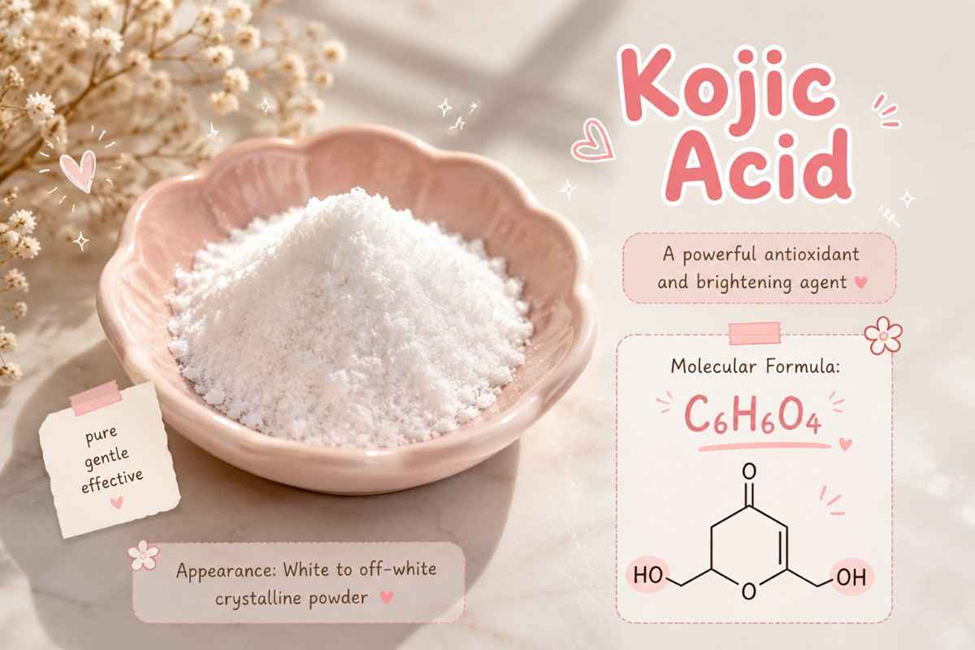
Kojic acid is this kind of naturally derived compound, made during the fermentation process of some specific fungi. It has been used in skincare for years now , mostly because it can brighten the look of skin and also help lower those visible patches of discoloration.
Unlike certain ingredients that just kind of exfoliate skin’s surface, kojic acid goes a bit more deeper inside the pigmentation process. It targets tyrosinase, this enzyme that’s tied to melanin production, so rather than only scrubbing off what’s on top. By helping cut back on melanin formation, kojic acid might slowly, and in a gradual way, improve how dark spots look and even out an uneven skin tone over time.
Due to this mechanism, kojic acid is pretty often thrown into products made for post acne marks treatment, and for pigmentation management too, you know. It kinda acts like a helpful thing there.
Why Acne Marks Can Take So Long to Fade
One of the biggest frustrations with those acne marks is that they kind of disappear, way too slowly. The whole fading process depends on a bunch of factors, including,
- Skin tone
- Severity of inflammation
- Frequency of breakouts
- Sun exposure
- Consistency of a skin care routine
When the skin is very inflamed, it tends to produce more pigment which can result in darker, longer lasting marks.Without some specific post acne marks treatment, a few of those spots may stay kind of visible for many months or so.
Additionally, these repeated breakouts can end up kind of creating a loop , where fresh marks keep showing up before the older ones really get a chance to fade, or you know, to soften.
Kojic Acid for Acne Pigmentation

So when inflammation gets kind of severe , the skin starts making more pigment and then it can turn those areas into darker spots and those also last pretty long unfortunately. Without a specific post acne marks treatment, a few of those spots may stay visible for many months or so.
Some potential benefits include:
- Helping reduce the appearance of dark spots
- Supporting a more even-looking complexion
- Complementing other brightening ingredients
- Helping prevent pigmentation from becoming more noticeable
- Improving overall skin radiance
If it’s used consistently, kojic acid can end up being a pretty valuable part of a bigger, more complete routine for post acne marks treatment, like you know, that overall plan.
Signs Kojic Acid Might Be Missing From Your Routine
Not everybody needs kojic acid, but some signs might suggest it could be pretty useful, in a sort of indirect way.
You may want to consider adding it if,
- Your acne has mostly cleared, but the marks remain .
- The existing pigmentation looks a bit resistant, to any improvement
- You notice frequent post-inflammatory hyperpigmentation happening
- Your current brightening routine stopped giving results, like at all
- You want a more targeted ingredient, focused specifically on discoloration, and that sort of dullness
In these situations, kojic acid may strengthen your existing post acne marks treatment plan.
Kojic Acid Compared to Other Popular Ingredients
Different ingredients go after pigmentation in their own ways, like in different mechanisms, you know. Once you get the hang of those differences it kind of helps to craft a more balanced skincare routine, not just pick random things and hope.
| Ingredient | Primary Function | Best For | Role in Acne Mark Care |
| Kojic Acid | Inhibits melanin production | Dark spots | Helps fade pigmentation |
| Niacinamide | Brightens and supports barrier function | Most skin types | Improves overall tone |
| Vit C | Antioxidant and brightening benefits | Dull skin | Enhances radiance |
| Azelaic Acid | Addresses acne and pigmentation | Acne-prone skin | Reduces discoloration |
| Retinoids | Increase cell turnover | Experienced users | Improves texture and tone |
| Tranexamic Acid (TXA) | Targets stubborn pigmentation | Uneven skin tone | Supports dark spot reduction |
Instead of leaning on one sole ingredient, quite a few dermatologists say it’s better to pair compatible actives, sort of a layered approach, within a wider acne pigmentation treatmentroutine. In other words don’t just stick with one active, use the right ones together, and keep going with the full plan, even if it feels a bit more complicated.
The Importance of Sunscreen
Even the most advanced skin-color correcting ingredient might still be a bit slow to show visible improvements if you don’t also use sunscreen. UV exposure can quietly stimulate more melanin production,so acne marks may look darker and hang around longer. That is exactly why sunscreen should be treated as a non-negotiable step in any post acne marks treatment routine.
Using sunscreen every day can help, in a pretty steady way by:
- Stopping pigmentation from becoming worse, and it sort of keeps things more even over time
- Supporting skin recovery
- Protecting brightening results
- Reducing future discoloration
If you do not use sun protection, the gains you get from kojic acid and other brightening ingredients could get kind of reduced, a lot, even null in a way.
Can Kojic Acid Work for All Skin Types?
Kojic acid is generally ok for many skin types like oily , combination and normal skin, but if your skin is sensitive you kinda have to introduce it bit by bit. Usually starting slowly helps, so you don’t rush into it.
Some people may experience:
- Mild dryness
- Temporary redness
- Slight irritation during the adjustment phase
Using a moisturizer with kojic acid can, sort of, help support skin comfort. And you know, as with any active ingredient , consistency matters and keep the use in moderation. If you add it the right way, kojic acid can turn into an effective part of a longer-term plan for treating post acne marks.
Mistakes That Hold You Back
There are many habits that people have that actually make pigmentation worse and slow down results.
Common mistakes are:
- Extracting or squeezing pimples
- Not using sunscreen
- Excessive skin exfoliation
- Too many active ingredients at the same time
Getting rid of successful post acne marks treatment, well it takes patience. If you constantly switch products, and like every couple days or weeks , the ingredients never really get the time they need to do their job, so nothing shows up that looks noticeably better. It’s kind of a slow, stubborn process, not instant magic.
Can Kojic Acid Replace Professional Treatments?

While kojic acid can be pretty beneficial, it might not fully stand in for those professional procedures for everybody, either.
Dermatological treatments such as:
- Chemical peels
- Microneedling
- Laser therapy
may provide faster or more dramatic improvements for certain pigmentation concerns.
However, for many people who are mostly dealing with post-acne discoloration, kojic acid becomes this kind of accessible and practical add-on, to a routine aimed at post acne marks. In some situations, dermatologists may even suggest mixing topical brightening ingredients alongside professional procedures, for better outcomes.
Why Consistency Matters More Than Product Hopping
One reason people end up disappointed with pigmentation treatments is the expectations are kind of unrealistic. Dark spots don’t usually just vanish overnight , it’s more of a slow progression and not like that.
Improvement often depends on:
- Daily application
- Proper sun protection
- Preventing new breakouts
- Supporting skin barrier health
A consistent post acne marks treatment routine, followed over several months, is usually more effective than changing products every few weeks, again and again, sort of swapping strategies too quickly.
The skin’s pigmentation cycle takes a bit of time, and the visible upgrades are typically gradual, not exactly dramatic; it’s more like a slow shift, step by step.
Conclusion
Kojic acid might not be some miracle fix, but it can be a pretty useful way of dealing with stubborn, acne related pigmentation. It works by targeting melanin production, so it helps address one of the main things that keeps dark spots around. And when it’s used along with sunscreen, a steady skincare routine, and a good amount of patience, kojic acid can, over time, support clearer looking skin with a more even tone. If you want to really build up your pigmentation fighting routine, then combining kojic acid with a solid spot reduction cream could help boost your overall results and nudge things toward a brighter complexion.
FAQs
1. What causes dark marks to remain after acne heals?
Post-acne marks usually develop when inflammation triggers excess melanin production in the skin. Even after the breakout disappears, the pigment can remain visible for weeks, months, or sometimes longer depending on skin type and severity.
2. How long does it typically take to see improvements from kojic acid?
Results vary from person to person, but many individuals notice gradual improvements after several weeks of consistent use. More stubborn pigmentation may require several months before significant fading becomes visible.
3. Can kojic acid be used alongside other brightening ingredients?
Yes, kojic acid is often paired with ingredients such as niacinamide, vitamin C, and azelaic acid. When introduced carefully, these combinations can help support a more even-looking complexion.
4. Since California Skin+ Triple Action Acne Scar Clear contains kojic acid, could it be the missing piece in your post-acne marks treatment plan?
California Skin+ Triple Action Acne Scar Clear may be a good option for those interested in adding kojic acid to their post-acne skincare routine. Kojic acid is known for helping reduce the appearance of post-inflammatory hyperpigmentation by targeting excess melanin production, one of the main reasons acne marks can linger long after breakouts have healed. Since California Skin+ Triple Action Acne Scar Clear contains kojic acid and is specifically formulated for post-acne skin concerns, it offers a targeted approach for addressing stubborn discoloration and supporting a clearer, more even-looking complexion over time.
5. Does sunscreen really make a difference when trying to improve skin discoloration?
Absolutely. Sun exposure can darken existing pigmentation and slow down the fading process. Daily sunscreen use helps protect healing skin and allows brightening ingredients to perform more effectively over time.