Acne care has gone through a pretty remarkable change over the last few decades. Back when it started, it was mostly a category filled with aggressive, drying products, and they were often used without much thought. Over time though things have moved toward a more balanced, skin friendlier direction. Nowadays a cleanser for acne is expected to do way more than just wash off oil and grime. It should help the skin barrier stay strong, cut down on irritation, and still back up long term skin wellness even while breakouts are being handled. This whole shift feels like it comes from a deeper understanding of what acne really is, and also how cleansing proper cleansing plays into managing it in a more effective way.
How Our Understanding of Acne Cleansing Evolved

For a good number of years, acne was mostly seen as a hassle that comes from too much sebum and not so great hygiene. So people kind of made skincare products that aimed to strip away as much oil as possible, like really aggressively. Cleansers were often packed with strong soaps, high alcohol amounts, and rough detergents, which would make the skin feel kind of tight, and honestly kinda squeaky-clean as well.
Back then, that tight sensation was often treated as proof that the product was actually doing its job. But later on, in dermatological studies, they found out that too much washing and scrubbing can compromise the skin’s barrier, which then shows up as a lot of dryness, discomfort, and sometimes even higher oil output. So instead of helping acne get better, really intense cleansing could end up making the whole thing worse, almost like it would backfire.
This realization started this kind of major shift in how brands would approach the development of a cleanser for acne, kind of differently than before.
The Era of Harsh Acne Cleansers
In the 1980s and 1990s a lot of acne focused cleansers put big emphasis on maximum oil getting removed, like it was the only thing that mattered. And yeah, it kinda worked for some people, but not for everyone. Products commonly included:
- Strong sulfates
- High alcohol content
- Abrasive exfoliating particles
- Alkaline soap-based formulas
These ingredients might, for a bit, bring down surface oil, though in many cases they also manage to weaken the skin’s own protective barrier. After a while like prolonged use quite a few users reported redness, flaky texture, and general sensitivity too.
The assumption was kind of simple: less oil, so, fewer pimples. But it turned out skin biology is way more complex than that, unfortunately. Researchers found acne is really not just one thing; it’s a mix of factors, like inflammation, bacteria, extra sebum coming up, hormonal influences also, and weird skin cell turnover that shouldn’t be happening.
As scientific understanding started getting better, you could say the design philosophy behind every cleanser for acne kind of also evolved, a lot more. It’s like the whole idea, and the way they approached it, gradually shifted, slightly, based on what researchers were seeing.
Understanding the Skin Barrier
One of the biggest, and maybe most telling, breakthroughs in modern skincare has been this growing appreciation for the skin barrier. It’s basically made up of lipids, proteins, and natural moisturizing factors, which work like a quiet shield, helping protect skin from environmental stressors while also preventing too much water loss. If that shield gets compromised , the skin can end up feeling more reactive and it may tip toward irritation or even inflammation.
For people who are acne-prone this part matters extra. Since inflammation already has a pretty major role in how acne develops, damaging the barrier can make the whole thing feel louder, more intense. Then breakouts can end up getting worse, not just because “more oil” is present, but because the inflammatory response gets amplified.
Because of this shift in understanding, manufacturers started to change how they put together a cleanser for acne. Instead of going fully in on harsh oil removal, the focus moved toward gentle, but still effective, washing, so the skin doesn’t get stripped in the process. It’s more like a careful balance, where the cleansing happens but it isn’t overly severe.
The Rise of Dermatology-Led Formulations
As dermatological research moved forward, some brands started putting in ingredients that do things with acne, but still keep skin health in mind, like a kind of careful balance.
Instead of just leaning on harsh cleansing agents, newer formulations have been introduced to help, like they use gentler approaches, and they can work more calmly.
- Ceramides
- Glycerin
- Hyaluronic acid
- Niacinamide
- Panthenol
- Soothing botanical extracts
These ingredients helped sort of support hydration and barrier function without really giving up cleansing performance. Modern developers pretty much understand that a successful acne control face wash should lift away extra oil, impurities, sunscreen, and pollutants, while still keeping skin’s protective systems from getting overly disrupted.
More Than a Teenage Phase: The Scale of Acne Worldwide
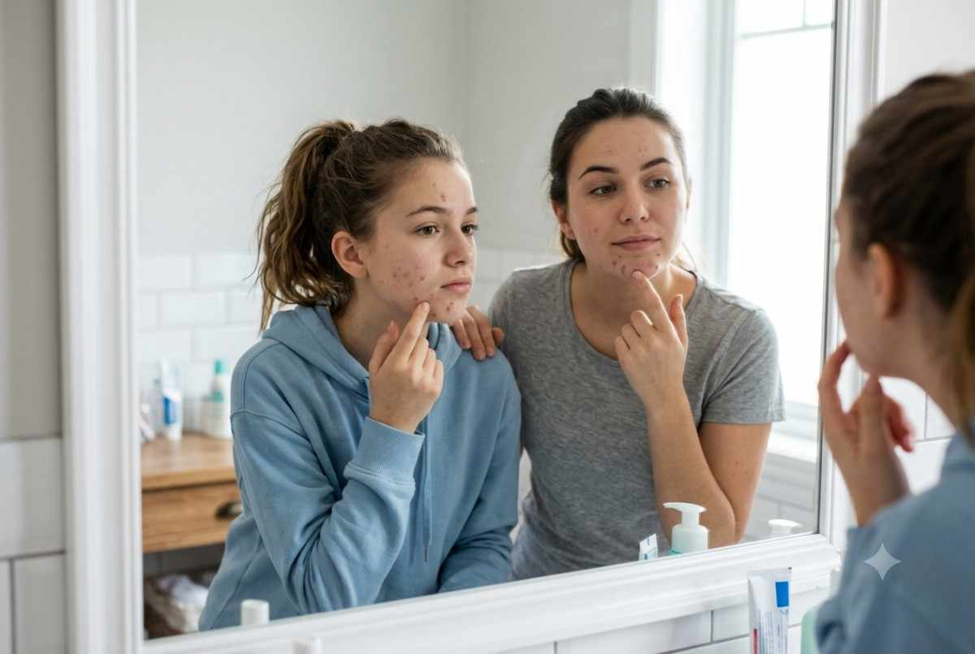
The ongoing evolution of acne cleansers is kind of driven by this blunt fact: acne stays incredibly common even after decades of skincare innovations. So even if treatment options got way more advanced, millions of people across different age groups still deal with breakouts. That’s why acne just keeps being one of the most stubborn skin care problems around the world, pretty much.
In a feature it was mentioned that acne affects around 85% of people at some point during their lives, which shows how widespread it is. Because of that, skincare researchers and product developers have been kinda moving away from harsh cleansing routines and now gravitating toward formulations that help the skin barrier keep steadier, while also supporting blemish management. The outcome is a fresh batch of cleansers that aim for both strong results and overall skin well being.
How Cleansing Technology Has Improved
Lately, advances in cosmetic science have pushed surfactant technology forward in a real big way, almost like everything feels a bit smoother. Before, many cleansers sort of depended on ingredients that could lift away both the pesky impurities and also the skin’s necessary lipid content, all at once , which wasn’t always ideal. Nowadays, newer formulas tend to use gentler surfactants that still clean quite well, but they do it without messing too much with the barrier integrity. In other words it’s a more balanced cleansing, less harsh, more considerate.
A lot of today’s versions of a cleanser for acne now work with kind of carefully balanced cleansing systems, so you get this odd compromise between real effectiveness and gentler care. They seem to aim for efficacy while still being mild, and that balance is kinda the point.
Some innovations include:
- Amino acid-based surfactants
- Low-foam cleansing systems
- pH-balanced formulations
- Micellar cleansing technology
These developments help users to clean up really well without getting too dry or feeling uncomfortable, at all.
Comparing Traditional and Modern Acne Cleansers
| Feature | Traditional Acne Cleansers | Modern Barrier-Conscious Cleansers |
| Primary Goal | Remove all oil | Balance cleansing and skin health |
| Surfactants | Often harsh | Mild and skin-friendly |
| Hydration Support | Minimal | Often included |
| Skin Barrier Protection | Limited | High priority |
| Irritation Risk | Higher | Lower |
| pH Balance | Frequently alkaline | Typically skin-friendly |
| Daily Use Comfort | Often drying | More comfortable |
| Long-Term Skin Health | Secondary concern | Core objective |
This shift sort of shows how the modern cleanser for acne is getting more and more sophisticated, and kinda aligned with today’s dermatological know how. It seems like it has improved, in a way that matches the current understanding of skin specialists, even if it feels a little more nuanced than before.
The Influence of Consumer Awareness
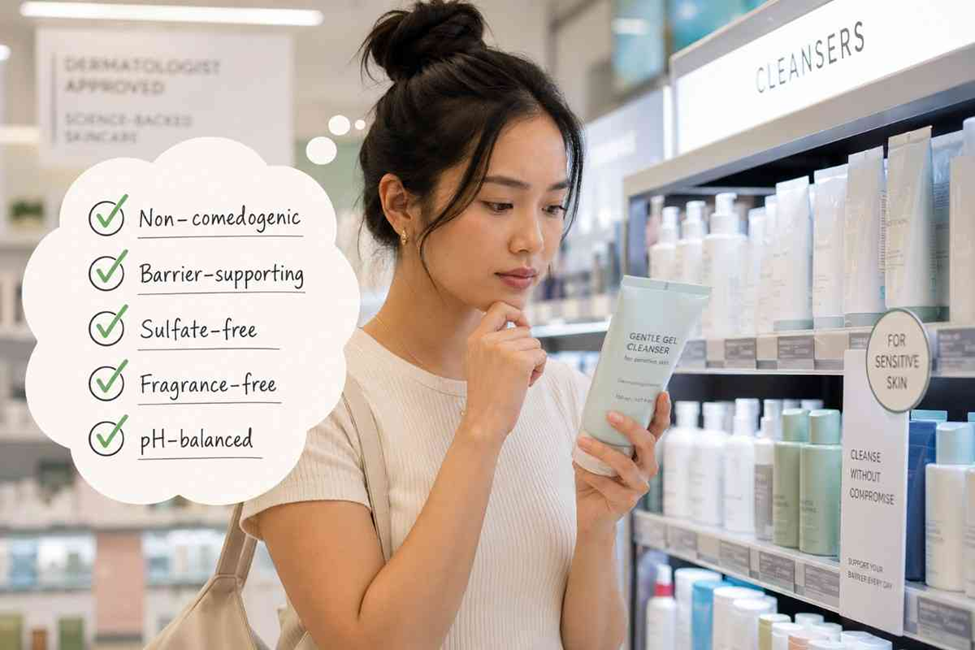
Consumers today are honestly more informed than ever. Through social media, dermatologist created content, and wider access to scientific information, shoppers are more or less encouraged to look at ingredients more carefully , like really scrutinizing them.
Terms such as:
- Non-comedogenic
- Barrier-supporting
- Sulfate-free
- Fragrance-free
- pH-balanced
have become important purchasing considerations.
This growing awareness has sorta influenced product development across the industry, which leads to a new generation of cleanser for acne formulations that are designed around long term skin health instead of just short term oil removal.
The Importance of Supporting the Skin Microbiome
Another up and coming area of interest is the skin microbiome, like the assortment of micro organisms that quietly live on the skin. Researchers are slowly but surely seeing that keeping a more balanced microbiome might end up supporting better skin performance in a practical way, and not just in theory. When cleansing is too aggressive , it can throw that balance off, and then irritation and sensitivity tend to rise, more or less.
That’s one reason why a lot of newer acne cleanser formulations stress gentle washing methods and “microbiome-friendly” ingredients. The point isn’t to remove every single bit of bacteria. It’s more about helping the skin hold onto a healthier habitat, that kind of thing.
Conclusion
The evolution of acne cleansers kind of matches the broader progress in skincare science. What started out as a more aggressive attempt to remove oil has, over time, turned into this more careful view of skin health, skin barrier function, and inflammation, all together. Today’s products are made so they can cleanse without wiping out the skin defenses, so they end up being much more practical for steady, long term use. And as studies keep revealing fresh details about acne and how skin biology behaves, barrier aware formulas are probably gonna stay the go-to norm. If someone wants a modern way to handle breakouts, picking a well thought out pimple clear face wash can actually be a meaningful step in helping you keep your skin looking clearer and healthier.
FAQs
1. Why were older acne cleansers often so drying?
Earlier formulations focused primarily on removing oil because acne was believed to be caused mainly by excess sebum. Many products used strong detergents and alcohol-based ingredients that stripped the skin and frequently caused dryness and irritation.
2. What does it mean when a cleanser is barrier-conscious?
A barrier-conscious cleanser is designed to cleanse effectively without disrupting the skin’s protective barrier. These formulations often include hydrating and soothing ingredients that help maintain skin comfort while supporting overall skin health.
3. How often should acne-prone skin be cleansed?
Most dermatologists recommend cleansing twice daily, once in the morning and once in the evening. Excessive washing may increase irritation and compromise the skin barrier, which can make acne management more difficult.
4. How does California Skin+ Acne Control Cleanser reflect the modern evolution of acne cleansing?
California Skin+ Acne Control Cleanser aligns with the modern barrier-conscious approach by focusing on effective cleansing without unnecessarily stripping the skin. Rather than relying solely on harsh oil-removing ingredients, it is designed to help manage acne while supporting skin comfort and daily usability. This balanced approach can help users maintain consistency in their skincare routine, which is often essential for achieving better long-term results. By combining cleansing performance with a gentler skincare philosophy, it reflects many of the principles that define contemporary acne care.
5. Can gentle cleansers still help manage breakouts?
Yes. Modern gentle cleansers can effectively remove excess oil, dirt, sunscreen, and impurities while minimizing irritation. Many also contain ingredients that support acne-prone skin, making them effective without the drawbacks associated with older, harsher formulations.