Everyone has niacinamide in their routine right now. Everyone has vitamin C. Everyone has retinol on their wishlist. The skincare community has spent the last five years obsessing over these three ingredients and for good reason. They work. But the ingredient that does more than all three combined, that dermatologists have been quietly prescribing for decades, that has no purge period, no photosensitivity, works during pregnancy, and is safe for every skin tone without exception, has been sitting in the background waiting for the attention it deserves.
That ingredient is azelaic acid. And 2026 is finally its year. If you are dealing with azelaic acid for acne concerns, dark spots, redness, or sensitive skin that cannot handle the usual actives, this is the guide that will change how you think about your routine.
Azelaic acid does what niacinamide, vitamin C, and benzoyl peroxide each do separately, all at the same time, with a fraction of the irritation of any of them.
The Ingredient That Has Been Here All Along
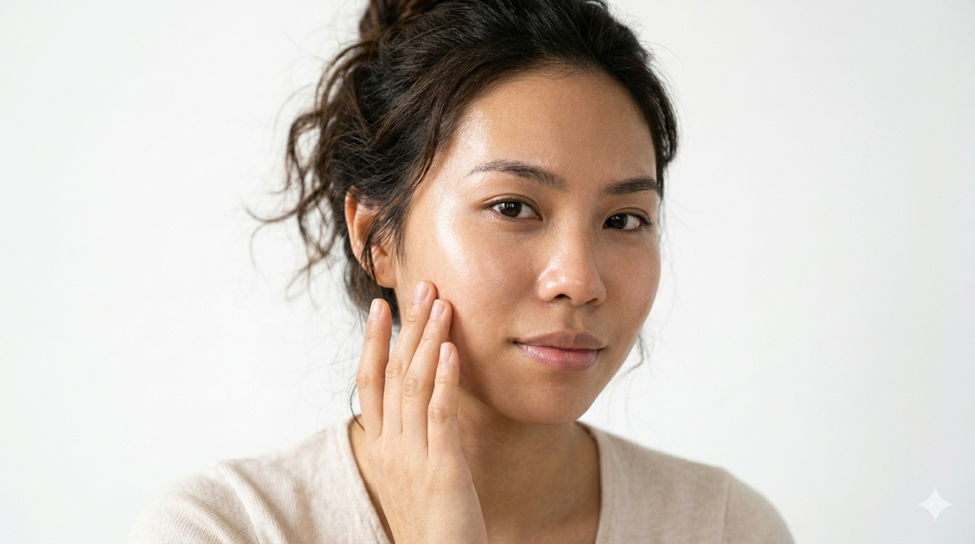
Azelaic acid is a naturally occurring dicarboxylic acid found in grains including wheat, rye, and barley. It is also produced naturally by Malassezia, a yeast that lives on all human skin as part of the normal microbiome. Your skin already knows this ingredient. It has been in contact with it your entire life.
Available in prescription strength at 15% to 20% (as Finacea and Skinoren) and in over the counter formulations at concentrations under 10%, azelaic acid has one of the longest clinical track records of any skincare active. It has been used in dermatology for over three decades for acne, rosacea, and hyperpigmentation. It is not new. It is just finally getting the social media attention that it should have received years ago.
What makes it particularly relevant in 2026 is the cultural moment skincare finds itself in. After years of aggressive actives, ten step routines, and barrier destroying acid stacking, consumers are burned out, literally. Compromised barriers, sensitized skin, and rebound breakouts are the legacy of the over exfoliation era. Azelaic acid is the antidote: powerful, gentle, and multifunctional in a way that nothing else in the active ingredient toolkit quite matches.
One Ingredient. Three Problems. Zero Drama.
Here is where azelaic acid separates itself from everything else. Most active ingredients solve one problem. Salicylic acid clears pores. Vitamin C fades spots. Niacinamide controls oil. Azelaic acid does all three simultaneously through three completely distinct mechanisms and that combination is genuinely unusual in skincare.
It kills acne bacteria. Azelaic acid inhibits protein synthesis in Cutibacterium acnes, the bacteria responsible for inflammatory acne. It reduces the bacterial population in the follicle directly. Unlike benzoyl peroxide it does not bleach your towels, over dry your skin, or cause the kind of peeling that makes people stop using their spot treatment within a week.
It fades dark spots at the same time. Azelaic acid inhibits tyrosinase, the key enzyme in melanin synthesis. This makes it genuinely effective for post inflammatory hyperpigmentation, the dark marks that pimples leave behind. This dual action is extraordinary: it treats the active pimple while simultaneously working on the mark that pimple would otherwise leave. A well formulated dark spot correcting serum addresses marks after the fact. Azelaic acid addresses the cause and the consequence at the same time.
It calms redness and inflammation. Azelaic acid has measurable anti inflammatory properties that reduce the redness, swelling, and irritation associated with acne and rosacea. It is one of the only non prescription ingredients with clinical evidence for reducing rosacea symptoms. For anyone whose skin always looks red and reactive, this third mechanism alone makes it worth adding to the routine.
One ingredient that kills bacteria, inhibits melanin, and reduces inflammation simultaneously. That is not normal. That is extraordinary.
Why 2026 Is Azelaic Acid’s Year
- The timing of azelaic acid’s rise is not random. It is a direct response to where the skincare community finds itself after years of aggressive active ingredient culture.
- The over exfoliation epidemic has left millions of people with compromised barriers that simply cannot handle the ingredients that were once a standard part of their routine. Retinol causes too much irritation. High percentage AHAs sting and peel. Even vitamin C causes flushing for some sensitized skin types. Azelaic acid has none of these problems.
- There is no purge period. Unlike retinol, which can cause weeks of worsening breakouts as it accelerates cell turnover, azelaic acid does not produce a purge. Results build quietly and consistently without the dramatic adjustment phase that causes most people to abandon retinol before it can deliver results.
- There is no photosensitivity. AHAs, retinoids, and vitamin C all increase sun sensitivity to varying degrees, requiring careful SPF compliance. Azelaic acid does not. You can use it morning or evening without any photosensitivity concern.
- It is safe during pregnancy. Almost every active ingredient carries a caution for pregnant women. Azelaic acid is one of the very few that does not. This makes it the active ingredient for one of the most underserved groups in skincare: women dealing with pregnancy hormonal acne who have almost nothing else they can safely use.
- It is safe for all skin tones. AHAs can worsen post inflammatory hyperpigmentation in darker skin tones if they cause irritation. Azelaic acid does not carry this risk and is specifically recommended by dermatologists for darker skin tones dealing with stubborn pigmentation.
Is Azelaic Acid Right for Your Skin?
The honest answer is: probably yes, regardless of your skin type or concern. But here is how it maps to specific situations:
Acne and dark spots: This is the single best use case for azelaic acid. No other ingredient treats both simultaneously as effectively. If you are tired of managing active breakouts with one product and chasing their marks with another, azelaic acid collapses both into one step.
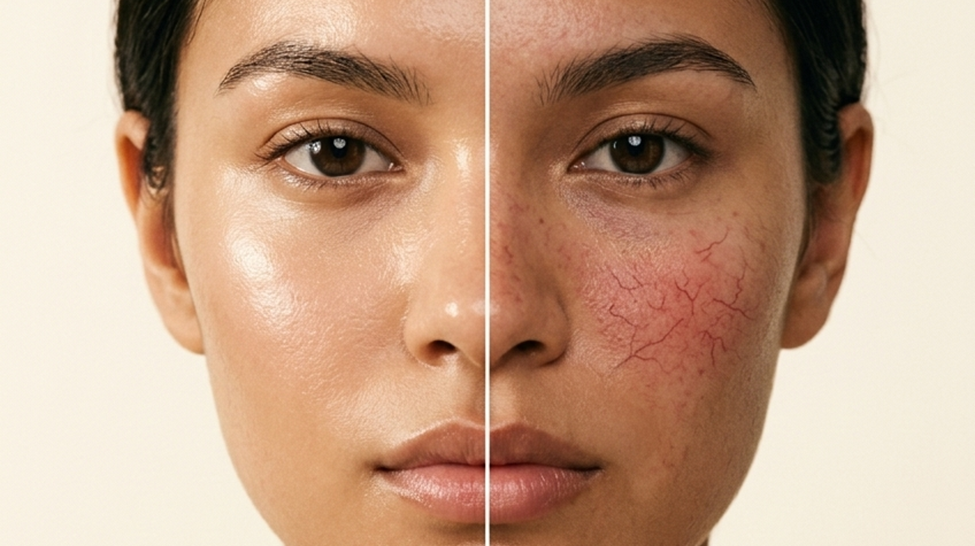
Rosacea and persistent redness: Azelaic acid is one of the only OTC ingredients with genuine clinical evidence for rosacea. It reduces vascular reactivity and calms the redness that rosacea causes over time with consistent use. Prescription strength 15% formulations are specifically approved for rosacea treatment.
Sensitive skin that cannot tolerate retinol or acids: Azelaic acid has a significantly lower irritation profile than virtually every other active ingredient. It is the active ingredient for people who have been told by their skin that active ingredients are not for them.
Pregnant skin: As mentioned, it is one of the only options. For pregnant women dealing with hormonal acne and melasma simultaneously, it is genuinely life changing.
Darker skin tones: The combination of effective pigmentation treatment without irritation risk makes it the most intelligently formulated option for medium to dark skin tones dealing with post acne marks.
How to Use It Correctly
Azelaic acid is available in gel, cream, and serum formats. Gels and serums work best for oily and acne prone skin. Creams suit dry and sensitive skin better. Apply after cleansing and before moisturizer as part of your regular serum step.
Start with every other day use for the first two weeks to allow your skin to adjust, then build to daily use. Morning or evening application both work equally well since there is no photosensitivity concern. If you use both morning and evening applications, start by establishing one session before doubling up.
It pairs exceptionally well with niacinamide (complementary mechanisms for both oil control and pigmentation), hyaluronic acid (adds hydration to support barrier health during treatment), and SPF (non negotiable for any pigmentation treatment to prevent UV from deepening marks while azelaic acid works to fade them). Avoid using it at the same time as high percentage AHAs or strong retinoids until your skin has fully adjusted to it.
What Results to Expect and When
This is where azelaic acid surprises most people. Unlike the dramatic before and after transformations that retinol produces after months of peeling and purging, azelaic acid works quietly and consistently. The results are real but they arrive without drama.
In weeks two to four, redness and inflammation begin to reduce noticeably. The skin looks calmer and less reactive overall. In weeks four to six, active breakouts start reducing in frequency and in severity. By weeks eight to twelve, post acne dark spots and hyperpigmentation show visible improvement. For rosacea and established pigmentation, the full benefit becomes apparent between months four and six of consistent use.
The absence of a purge period means you never have a period where your skin looks worse before it looks better. Results build in one direction only from day one. For anyone who has quit retinol because the initial adjustment was too much, this difference is significant.
Quiet, consistent improvement with no purge and no drama. In a skincare world full of ingredients that make your skin worse before better, that is genuinely refreshing.
The Bottom Line
Niacinamide had its moment. Retinol is still having its moment. But azelaic acid is the ingredient that has been patiently waiting in the wings with a clinical track record longer than either of them and a gentleness that neither can match. In 2026, as the skincare community collectively recovers from years of over exfoliation and barrier damage, the qualities that make azelaic acid exceptional are exactly what damaged, sensitized, and frustrated skin needs.
It treats acne. It fades marks. It calms redness. It works for everyone. It works during pregnancy. It has no photosensitivity and no purge. If you have not added it to your routine yet, 2026 is your year to start.
FAQ’s
Q: What does azelaic acid do for acne?
A: It kills acne causing bacteria by inhibiting their protein synthesis, unclogs pores by normalizing cell turnover inside the follicle, reduces inflammation, and simultaneously fades the dark marks that active pimples leave behind.
Q: Is azelaic acid safe for sensitive skin?
A: Yes it is one of the gentlest active ingredients available and is suitable for sensitive skin types that cannot tolerate retinol, high percentage AHAs, or benzoyl peroxide.
Q: Can I use azelaic acid during pregnancy?
A: Yes, azelaic acid is one of the only active acne ingredients considered safe during pregnancy, making it one of very few options available for pregnant skin dealing with hormonal breakouts and melasma simultaneously.
Q: How long does azelaic acid take to work?
A: Redness and inflammation reduce within two to four weeks, active breakouts improve within four to six weeks, and dark spots show visible improvement within eight to twelve weeks of consistent daily use.
Q: Which California Skin+ product should I use alongside azelaic acid?
A: Pair azelaic acid with the California Skin+ Acne Control Serum for the most complete acne and dark spot routine. The serum delivers niacinamide to control sebum and fade post acne marks while azelaic acid targets bacteria, redness, and pigmentation simultaneously.
Q: What California Skin+ product is best for protecting skin while using azelaic acid?
A: The California Skin+ Barrier Repair Moisturizer is the ideal partner for azelaic acid use. It replenishes ceramides and niacinamide to maintain barrier health and lock in hydration while azelaic acid does its active work.