Modern work and study settings usually mean long hours staring at screens, notebooks, or all kinds of digital devices. While most people talk about productivity tricks and ergonomic arrangements, there is one small habit that kinda slips by everyone, touching the face again and again. Whether it’s just resting your chin on your hand, rubbing your forehead when you’re thinking, or absentmindedly pressing at a growing blemish, those little actions can end up affecting your skin health more than you might expect. That is basically where an acne cover patch helps, it creates a protective layer between your hands and your skin, so the contact is reduced without you needing to constantly watch yourself.
How Face Touching Becomes a Daily Habit
Most people end up touching their faces way more than they realize. During times of intense focus, or when there is stress , boredom, or fatigue involved, face touching turns into kind of an automatic habit. Students getting ready for exams and professionals working right up against deadlines often end up doing these actions without really noticing, not even for a moment .
Typical face-touching behaviors include:
- Palm to cheek or chin
- Rubbing the forehead while thinking
- Scratching around the nose or jawline
- Erase pimples or blemishes
- Frequently adjusting glasses or face masks
Even if these actions seem pretty harmless at first, they can lead to skin irritation in a steady way, and then make current breakouts more noticeable.
Why Frequent Face Touching Can Trigger Breakouts
All day long, our hands end up kinda brushing against keyboards, phones, door handles desks, and a bunch of other surfaces. Those surfaces can slowly collect dirt, oil and various environmental pollutants, in the background like, without us noticing. Then whenever the hands go up to the face, a part of all that might get carried over onto the skin.
Also, having the same kind of contact over and over can cause friction. That mechanical irritation tends to stress the skin barrier and in turn make the blemishes more inflamed, kinda like they get stuck in that loop. If you are already someone who is prone to acne then constant touching, well that may also add to longer healing time, not just quickly calm down.
Another concern is pimple picking, people often do this without thinking, like they instinctively touch or squeeze those little blemishes as soon as they notice them. Unfortunately, this kind of behavior can crank up redness and swelling, and it may also raise the chance of post-acne marks, which is pretty annoying.
Why an Acne Cover Patch Can Make a Difference

One of the biggest advantages of an acne cover patch is how it can work like a physical shield, basically. Rather than letting fingers keep touching the blemish again and again, the patch makes a protective layer right over the affected area. So, it kind of blocks that constant handling, and gives the spot a calm boundary.
This barrier can help in a few ways, really:
- It discourages unconscious touching, and it sort of interrupts that habit.
- It reduces exposure to outside contaminants, in a safer way.
- It minimizes friction from fingers, so there’s less irritation.
- It helps prevent pimple picking, or that urge to mess with it.
- It supports a cleaner healing environment overall.
For folks that have trouble touching those little blemishes during work or study sessions , this kind of barrier can make a noticeable difference, in real life. It’s a small change yet it helps keep your hands a bit more away while you’re focused, kind of like a gentle wall.
The Workplace and Study Environment Connection
Work and study sessions do create those particular circumstances that sort of push us toward face touching , even if we don’t really notice. Long stretches of deep focus also can lead to unconscious habits, like your hand just drifting, without warning or intention.
Stress and Mental Fatigue
When people are feeling stressed they may fall into repetitive little self-comfort behaviors , like touching their face a bit, but they don’t notice it much, or they do it without thinking. During exam periods, and when work projects get demanding, these actions can ramp up quite a lot and suddenly.
An acne cover patch can help interrupt this cycle a bit, acting like a little reminder that the blemish should be left alone while it heals, so it won’t get prodded and worsen.
Extended Screen Time
Sitting for hours right in front of a computer can bring on eye strain and overall fatigue sooner than you think. A lot of people end up doing the same small things, like rubbing their eyes , touching their forehead, or just holding their face with their hands, kind of automatic.
People who use an acne cover patch often notice those little unconscious habits faster, because the patch provides direct immediate feedback the very moment they try to reach that exact spot.
Sedentary Postures
Sitting for long stretches seems to nudge you into a way where your cheek kinda ends up resting into the palm, or the face sort of slides against the hand. That same contact again and again can keep laying out steady pressure on certain little skin areas , over time.
If you put on an acne cover patch before a full workday or study session, it can really shield the sensitive spots from the constant rubbing, or friction that keeps going.
The Psychological Benefit of Visible Protection
It’s kind of interesting, theacne spot patches do more than simply guard the area. It also becomes, in a way, a little visual nudge or reminder.
A lot of people don’t notice how often they touch their faces. Usually that changes once they see a patch sitting over a blemish. Then the whole routine gets interrupted, and suddenly there’s more awareness. After a while, this can help lower the face-touching habit altogether, not just for a day or two.
This can feel especially handy for students and working professionals, those who have to stay locked in for several stretches of focused hours on demanding work.
Dermatologists Say Face Touching Can Worsen Existing Breakouts
Face touching is kind of one of the most common habits people do during long workdays, study sessions, and also during periods of stress. Touching your face is probably not the only reason for acne, but dermatologists keep hinting it can make things worse if you already have breakouts, since it kind of shifts oil, debris, and bacteria from your hands to your skin. After a bunch of contact it can even increase friction and irritation, especially when someone, without thinking, keeps fiddling with or pressing on the active spots.
Dermatologists also mention that touching, or worse picking at acne lesions can bring more dirt and bacteria in, kinda yeah, it adds extra material to the area while at the same time messing with the skin’s natural healing routine. Because of that, those blemishes may end up looking even more red and inflamed, recovery might take longer, and there’s a higher chance of lingering post-acne marks.
For students and professionals who end up spending hours hunched over a desk, it can be helpful to reduce unnecessary face contact, as a sort of simple step that helps clear skin look better. Some straightforward protective steps, like staying aware and discouraging that habit of touching active blemishes , may reduce irritation, and in turn help the skin recover in a calmer setting .
Areas Most Affected by Frequent Touching
Certain facial regions are more likely to experience problems because they are commonly touched throughout the day.
| Facial Area | Common Habit | Potential Skin Impact |
| Chin | Resting face on hand | Increased irritation and clogged pores |
| Jawline | Leaning during study sessions | Friction-related breakouts |
| Cheeks | Supporting head while reading | Oil and debris transfer |
| Forehead | Rubbing during stress | Inflammation and redness |
| Nose Area | Frequent adjustment of glasses | Skin irritation and congestion |
Using an acne cover patch on the active blemishes in these areas, can help to reduce repeated touch and encourage better healing conditions, kinda like more stable circumstances.
Why Picking Pimples Makes Acne Worse
Lots of people, once they see a small blemish they kind a wanna poke it right away. But yeah that instinct usually turns into more trouble than relief, because touching it can push the issue further, and then suddenly there are extra problems to deal with.
Picking can:
- Increase inflammation
- Delay the healing process
- Spread debris deeper into the pore
- Increase the likelihood of post-acne marks
- Raise the risk of secondary irritation
An acne cover patch works like a small protective barricade, so it becomes harder to mess with a pimple throughout the day.
By limiting access to the spot, an acne cover patch can help someone stick with a more hands off style of skincare, instead.
Why Remote Work and Online Learning Increased the Problem
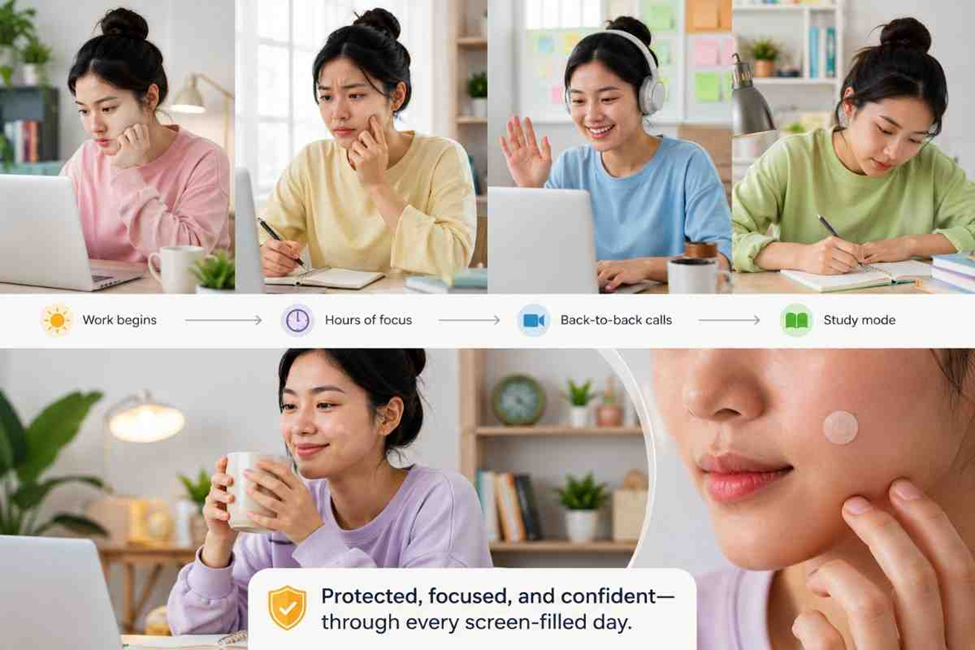
The rise of remote work, and online learning kinda shifted how people spend their day.With longer screen time , less movement breaks ,and that extra mental tension, you end up with a sort of setup that can quietly nudge the repetitive face touching habit.
Nowadays a bunch of people just stay there for several straight hours in front of screens. During those same stretches, they can kind of drift off, absent-mindedly tap their face dozens of times, and not really notice it at all, or maybe not even realize when it happened.
An acne cover patch can help with this by acting like a protective cover throughout the day. It adds an extra shield during those long work sessions, virtual meetings, and study marathons where you’re staring at the same thing for ages.
Also, the discreet look of an acne cover patch means it sits comfortably in professional spaces or academic settings, without really interrupting what you’re doing.
Conclusion
Frequent touching of the face during work or study sessions is like, kinda a normal habit but it often gets ignored, and still it can push irritation and inflammation along, plus it may slow down the whole acne recovery phase. For example, when you kinda rest your chin on your hand, or you end up picking at a pimple without noticing, that repeated touch messes with how the skin naturally repairs itself.
Using an acne cover patch creates a real physical barrier. It kind of discourages the hand-to-face habit, and it keeps a more hygienic environment around the blemish so it can mend better. If you add that to solid hygiene practices and just a little more mindfulness day to day, these patches can turn into a simple but quite effective extra step within a skincare routine. For a lot of people, a good hydrocolloid patch gives both protection and support while helping break the loop of constant face touching.
FAQs
1. Why do people touch their faces more during work or study sessions?
Face touching is often an unconscious response to concentration, stress, boredom, or fatigue. Long hours at a desk can make people more likely to rest their face on their hands or repeatedly touch specific areas without realizing it.
2. Can touching my face really make acne worse?
Yes. Frequent touching can transfer oil, dirt, and environmental debris from the hands to the skin. Repeated contact may also increase irritation and inflammation, especially around existing blemishes.
3. How can I reduce unconscious face-touching habits?
Improving posture, taking regular breaks, and identifying personal triggers can help. Keeping your hands occupied during focused work sessions may also reduce the urge to touch your face.
4. Are protective blemish patches useful during long workdays?
They can be particularly helpful because they create a barrier over active blemishes and discourage direct contact. Many people find that they become more aware of their face-touching habits when a patch is in place.
5. Is California Skin+ Triple Action Acne Relief Pimple Patches a good choice for people who frequently touch their face?
Yes. California Skin+ Triple Action Acne Relief Pimple Patches are designed to help protect active blemishes from unnecessary touching, picking, and environmental exposure. They create a protective barrier that supports a cleaner healing environment while remaining comfortable enough for extended wear during work or study sessions. Their targeted approach helps reduce external irritation and serves as a useful reminder to avoid disturbing blemishes throughout the day, making them especially beneficial for individuals who tend to touch their face frequently.