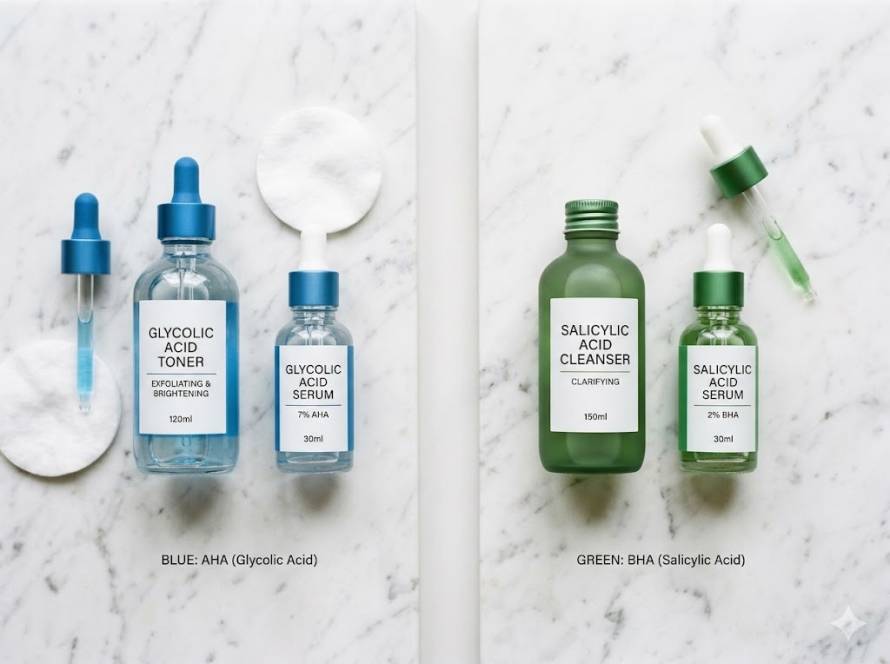
Your acne treatment has resulted in complete control of your skin condition. Your skin has achieved smoother texture, but the marks still persist. The acne marks should be treated as difficult-to-remove spots which create more irritation than the acne itself. Your search for post-acne marks treatment, which you have conducted, shows that you are not the only person who needs this solution. The experience you have right now is a typical reaction which affects people with medium to deeper skin tones.
What Are Post-Acne Marks?
Post-acne marks serve as visible indicators which remain after a pimple has completely healed. The skin demonstrates its response to inflammation through these skin conditions which do not involve active breakouts. Your skin will display different healing patterns which result in dark spots and red patches and uneven texture.
Three main types exist in this classification system. Post-inflammatory hyperpigmentation appears as brown or dark spots which develop because of excessive melanin production. Post-inflammatory erythema shows up as red or pink marks through blood vessel damage.
Acne scars differ from both conditions because they produce skin texture changes which create either indented or raised skin. However, the significance of the disparity lies in the differing treatment response each demonstrates.
Why Do Acne Marks Stay So Long?
Many people assume that their skin should return to normal after acne treatment but actual healing requires a longer period. Your body reacts to skin inflammation by producing additional pigment through melanocyte activity which serves as a protective response. The pigment remains on the skin until it eventually fades away. It takes time for the substance to leave the skin because it develops into the body during the next several weeks or months.
Research supports this. Studies found that 45.5% to 87.2% of individuals with acne develop post-inflammatory marks which most of these marks persist for more than one year. The explanation shows why marks continue to exist after breakouts have finished.
Source
The Real Reasons Your Marks Aren’t Fading
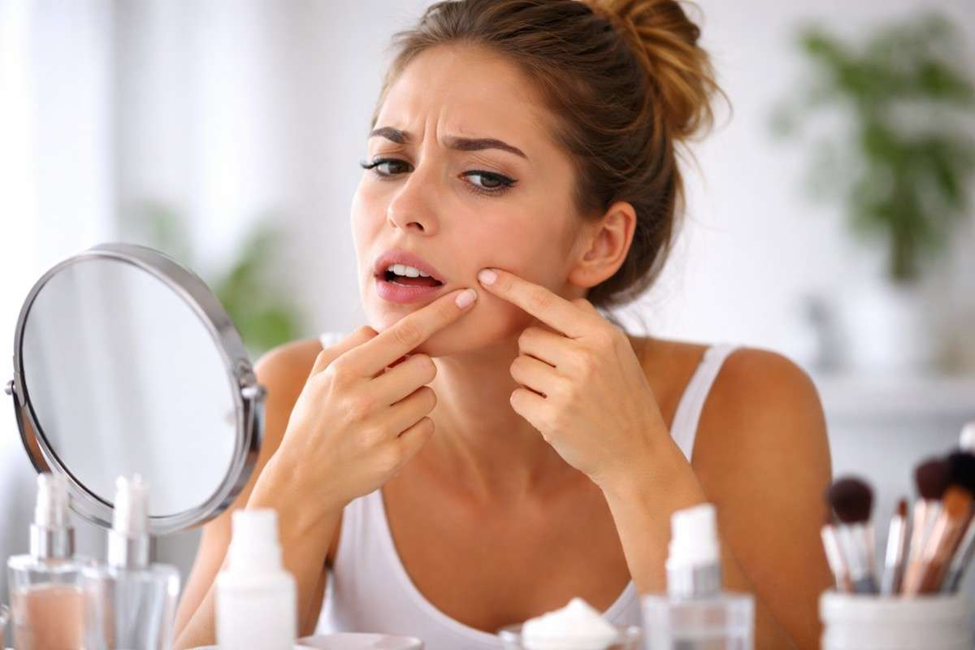
The presence of multiple causes represents the common situation. Acne development results from a combination of skin type and severity and personal habits. People experience more skin discolouration when their body faces deeper skin infections. The healing process takes more time for people who have experienced cystic or inflamed acne because their bodies require extended time to recover. Skin trauma caused by picking or popping pimples results in darker and more lasting marks because it creates additional damage to the skin. The sun functions as a major factor that influences this situation. Every instance of UV exposure creates two effects, which include intensifying skin pigmentation and delaying its natural fading process. Visible skin marks occur more frequently among people who possess higher melanin levels because these marks remain on their skin for longer periods, which explains why this happens with Indian skin tones.
Types of Acne Marks and How They Behave
| Type | Appearance | Cause | Time to Fade |
| PIH | Brown or dark spots | Excess melanin | Months to years |
| PIE | Red or pink marks | Blood vessel damage | Weeks to months |
| Scars | Indented or raised skin | Collagen damage | Long-term |
This table gives a quick overview, but identifying your mark type accurately can save months of trial and error.
Why Some Marks Last for Years
Some marks seem to fade away overnight, while others seem to stay on forever. The difference between permanent and temporary skin marks depends on two factors which are the depth of pigment in the skin and the speed of your skin’s natural renewal process.
The body finds it harder to eliminate pigment when it penetrates into the dermis at deeper levels.The skin turnover process operates at a slow pace, which creates a delay in the complete process. Research shows that over half of people develop marks which last more than one year and in some cases the marks will remain permanent without any treatment.
So patience is key here. Skin healing is not instantaneous; it is gradual.
The Science Behind Post-Acne Pigmentation
Skin inflammation causes melanocyte activation, which leads to the production of pigment by these cells. The cells defend against threats by creating melanin, which they subsequently discharge into their surroundings. The pigment from the acne treatment does not spread throughout the skin. Instead, it forms patches that develop in particular parts of the skin where acne appeared. The healing process of pimples leaves behind visible spots, which take time to disappear. The marks on your skin will start to fade when the pigmented cells in your skin undergo their natural process of turnover.
How to Treat Post-Acne Marks Effectively
Treating acne marks needs ongoing treatment more than it needs extreme treatment methods. The effects of a balanced daily routine become evident through extended periods of practice.
Focus on a few essentials:
- Daily sunscreen to prevent further darkening
- Use sunscreen on a daily basis to prevent further darkening of the skin.
- The efficacy of Vit. C and Niacinamide would enhance the brightness.
Retinoids assist with skin renewal while they enhance both skin pigmentation and skin texture. Professional treatments such as chemical peels and laser therapy serve as options for treating persistent skin marks. The key to success requires you to maintain a balanced routine without excess elements. The skin becomes more sensitive through excessive active ingredients which leads to worsened pigmentation problems.
Common Mistakes That Slow Down Healing
Most people who work out their results because they don’t stick to their workouts which they perform at excessive intensity. The application of several potent active ingredients together with skin care products will result in skin barrier damage which causes skin marks to become more visible instead of diminishing.
People who do not use sunscreen make a major error in their sun protection methods. Your skin will continuously suffer from damaging effects because ultraviolet rays will keep hitting your skin. The process of healing will stop when you touch your healing skin because it creates a new start which leads to more pigmentation development.
It is seen from the findings that success comes not from an intermittent but constant working method.
How Much Time Is Needed to See Results?
The recovery time mostly depends on the type of your scar, also on the natural rate at which your skin is healing post the date of scar treatment. Red marks typically disappear within several weeks to two months. The duration for dark spots to fade extends from three months to more than one year.
The healing process for deeper pigmentation and scars needs extended time and sometimes requires professional assistance. Your skin shows proper healing progress through its gradual improvement which people often find frustrating.
Can Acne Marks Be Removed?
Normally, yes. It is natural for the skin to lose pigmentation due to the normal process of renewal of the skin. The process requires time because it takes longer to complete when the marks are deep or when people experience sun exposure. Scars differ from other skin conditions because they cause fundamental alterations to the skin structure. The targeted treatments will help to remove most of the skin marks which will still remain visible.
Emotional Impact of Acne Marks
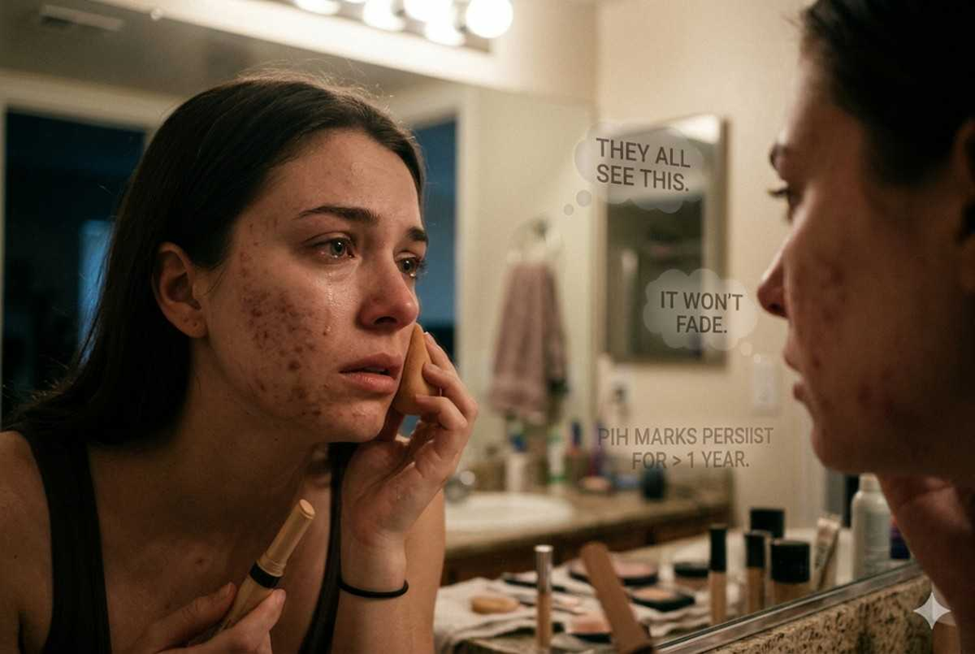
Post-acne marks continue to impact skin perception because they remain visible to others. People who experience fewer breakouts still report feeling self-conscious because their skin does not achieve complete clarity.
The emotional component of skin issues requires recognition because people frequently overlook this aspect. Skin issues encompass more than their visible symptoms because they affect various aspects of a person’s life. One faces difficulties in relation to connected links of a social type with a likely drop in his/her confidence.
It’s Better to Prevent Than Treat
It is simpler to stop marks from developing than to treat them after they appear. A few mindful habits can reduce the chances of developing long-lasting pigmentation which will allow people to maintain their normal skin appearance throughout their lives.
- Begin treatment for acne as early as possible.
- Refrain from touching or picking the skin.
- Apply sunscreen daily.
Simple steps can help in getting the desired results for an urgent home skin healing.
Building a Simple Routine for Clearer Skin
The simplest operating system needs no maintenance while the complex system requires ongoing upkeep to function properly. You should begin your skincare routine with a gentle cleanser which you should follow by using specific treatments before concluding the process with daytime sun protection. The nighttime skincare routine should use repairing ingredients which help renew skin health. Your skin will recover better when you maintain a balanced skincare routine because it reduces the chance of causing skin irritation.
Conclusion
Acne scars are formed due to the repair of skin damage through natural healing responses in the body. Most cases will not cause lasting harm because treatment will lead to complete recovery from the condition.
You need to maintain both consistency and patience as your primary focus. Your skin needs protection through proper skin care while you should use specific ingredients and avoid practices which delay your healing process. The development process requires time to show results because progress is taking place even when it appears to be moving at a slow pace.
The establishment of a regular schedule together with the protection provided by daily application of sensitive skin sunscreen establishes essential elements for maintaining skin health and achieving even skin restoration.
FAQs
1. Are acne marks permanent?
Most acne marks are temporary and fade with time. Scars may need additional treatment.
2. Why do my marks get darker in the sun?
Sun exposure increases melanin production, which makes existing marks more visible.
3. Can I treat acne and marks at the same time?
Yes, many ingredients work for both concerns when used correctly.
4. Is exfoliation necessary for fading marks?
Gentle exfoliation helps speed up the process, but overdoing it can cause irritation.
5. How does California Skin+ Triple Action Acne Scar Clear help with post-acne marks?
It helps fade discolouration and improve overall skin tone over time.