Your shower experience begins with your expectation to achieve complete cleanliness and total refreshment and complete hydration. The equation states that water should produce moisture because this relationship exists. Many people observe the reverse result. The skin develops a tight and itchy and flaky and dull appearance which starts within minutes after someone steps outside. Your shower routine contains the hidden reason why you reach for moisturizer for dry face immediately after bathing. The practice of self care appears to provide comfort but it actually breaks down your skin’s natural equilibrium through three elements which include heat and aggressive products and extended time periods of use. The first step for achieving smoother skin and healthier skin requires understanding how shower habits affect skin barrier function. People need to understand their shower habits which show them how to maintain their skin barrier because daily shower routines need to be understood. People need to understand their shower habits which show them how to maintain their skin barrier because daily shower routines need to be understood.
Why Even After Soaking in Water, Your Skin Still Feels Dry

You linger in a pool or sea with your body entirely soaked in water for minutes, yet years ago, you ended up with dehydrated skin. The explanation lies in the difference between hydration and protection.
Your skin is coated with natural oils called lipids. These oils function as a protective barrier which keeps moisture locked inside while protecting against harmful substances. Hot water breaks down this protective barrier which removes all of the protective material. Skin moisture disappears after this barrier breaks because water moves out through skin pores which results in skin dehydration.
Dermatologists describe this as transepidermal water loss, or TEWL. The body loses moisture through the compromised barrier at a rate which exceeds its ability to restore hydration. Skin tightness and roughness develop with increased oil production because the skin tries to restore balance.
The Hidden Damage of Hot Showers
Nothing provides greater satisfaction than taking a hot shower which people use to unwind after their workday. The main reason for dry skin is that high temperatures cause moisture loss from the body.
Hot water:
- Strips natural oils from the skin
- Weakens the protective barrier
- Dilates blood vessels, which leads to increased redness
- Worsens the condition because it affects people who have eczema and rosacea skin problems
A brief hot shower can reverse the results of multiple hours of skincare work. A lukewarm tepid water solution is a less disruptive way that still gets the job done.
How Long Showers Make Things Worse
Time matters just as much as temperature. The longer your skin is exposed to water, the more oils are removed. Extended showers lead to skin swelling because they make the outermost layer of skin become soft and wet. When you go outside the weakened barrier starts to lose its moisture protection because water begins to evaporate. People tend to experience skin tightness because of this reason which occurs within a few minutes after they finish bathing.
Experts generally recommend keeping showers under 10 minutes to maintain barrier integrity.
The Role of Cleansers and Soaps
It is not all cleaning products which work effectively. While the alkaline nature completely disrupts the skin’s naturally typical acid balance, most soaps thereof might lose their effectiveness under certain conditions. The microbiome and barrier function become weakened through this imbalance. The strong cleaning products remove all dirt from your skin but their effect creates a feeling that your skin has lost all its natural oils. The issue becomes worse when you combine fragrance with sulfates and strong antibacterial agents. The creamy low foam formulas provide a milder cleansing experience because they clean skin without forcefully eliminating lipids.
Hard Water and Mineral Residue
Living environments in areas of hard water lead to skin dryness problems because of the ability of hard water to fill areas with deposits of minerals. The body absorbs calcium and magnesium through hard water, which creates a skin residue that remains after washing. The film blocks skin moisture retention while it reacts with cleansers to create skin irritating deposits. The process results in skin that develops roughness and flaking, which produces a dull appearance.
Towels Can Strip Moisture Too
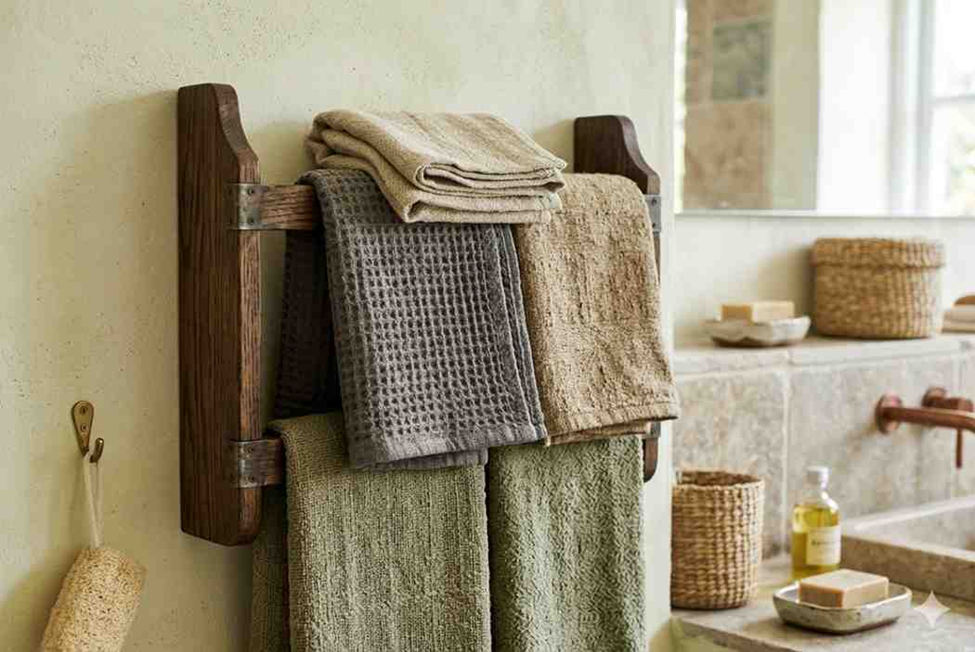
The process of drying skin appears to be safe but intense towel rubbing results in skin barrier destruction through increased friction. The product can eliminate the delicate moisture barrier which remains on skin after showering. Dermatologists advise people to use gentle patting methods for skin drying instead of using rubbing techniques. Moisturizer application should occur right after leaving a small portion of dampness on skin because it helps maintain hydration.
Symptoms of Skin Damage from Your Shower Routine
Because it takes time to develop, dryness is not immediately apparent. Many people overlook subtle warning signs.
Common indicators include:
- Tight feeling after bathing
- Flaky patches
- Increased sensitivity to products
- Dull or rough texture
- Itchy skin appears without any visible rash
- Oily skin condition exists despite body needing hydration
If these symptoms are constant all the time after your daily bath, then maybe it is high time to change your habitual nature.
The Effects of Various Shower Practices on Skin
A simplified comparison of popular showering techniques and how they affect skin hydration can be found below.
| Shower Habit | Effect on Skin Barrier | Dryness Risk |
| Very hot water | Strips natural oils quickly | High |
| Lukewarm water | Minimal disruption | Low |
| Long showers (15+ min) | Weakens outer layer | High |
| 5 to 10-minute shower | Locks in moisture | Low |
| Harsh soap | Alters pH, removes lipids | High |
| Hydrating cleanser | Supports barrier | Low |
| Rubbing with towel | Causes friction damage | Moderate |
| Pat drying | Maintains moisture | Low |
The Science Behind Post Shower Dryness
The stratum corneum functions as the topmost layer of skin which protects against external elements. Skin cells function as bricks which lipids use to create their binding substance. Hot water dissolves this lipid mortar. The barrier loses its ability to retain water after it sustains damage. Environmental factors such as air conditioning together with pollution and low humidity conditions create faster evaporation rates.
Statistical Insight on Dry Skin
Skin dryness occurs more frequently than most people understand. The American Academy of Dermatology reports that approximately 50 percent of adults experience dry skin or sensitive skin conditions throughout every year.
This statistic brings to light the fact that apparently small regular practices like bathing and washing have an immense impact on the health of one’s skin.
Why Your Face Suffers More Than Your Body
Facial skin contains less oil production while its thickness remains lower than skin found on other body parts like the back and chest. The skin undergoes permanent exposure to environmental conditions throughout its lifetime. The facial skin suffers from hot water contact which removes its delicate lipids, resulting in skin tightness and redness. Inadvertently, a lot more people enhance dryness by washing faces under showers rather than at the sink under moderated temperature of water.
Simple Changes That Protect Your Skin
The shower routine requires only minor modifications to achieve better results. The process needs only brief changes to deliver significant results throughout the first two days. The following protective habits should be adopted by you to improve safety:
- Instead of using hot water, use lukewarm
- Don’t take more than five to ten minutes of showers
- Select gentle, hydrating cleansers
- Avoid using scrubbing tools to clean sensitive body parts
- Skin should be dried through gentle patting
- Users should apply moisturizer within three minutes
This last step is especially important. The damp skin condition enables better product absorption which maintains skin moisture until the product evaporates.
When Dryness Becomes a Medical Concern
Persistent dryness with cracking and bleeding plus severe itching indicates potential skin disorders which include eczema and psoriasis and dermatitis. In such cases, over the counter products may not be enough, and professional evaluation is recommended. Certain medications together with health conditions, decrease oil production, which makes skin more susceptible to damage during showers.
Conclusion
Your shower should provide you comfort because its hidden stress effects do not harm your skin. The combination of heat and time together with harsh cleansers and friction will cause hidden damage to your protective barrier which results in tightness and dull skin and skin irritation. Your skin will improve through your regular showering routine which includes taking short showers and using warm water and drying your body with a towel and applying moisturizer. A gentle cleanser for acne prone skin uses a mild formula which maintains proper oil balance while preventing the loss of essential oils.
FAQs
1. How hot is too hot for a shower?
If your skin turns red or feels tight afterward, the temperature is likely too high. Lukewarm water is ideal for preserving moisture.
2. How soon should I moisturize after showering?
Within three minutes is best. This locks in the remaining surface moisture before it evaporates.
3. Can showering daily cause dry skin?
Yes, especially if showers are long or hot. Daily bathing is fine when done with gentle techniques and hydrating products.
4. Are loofahs and scrubs harmful?
Frequent or aggressive use can damage the barrier and increase dryness. Limit exfoliation to a few times per week.
5. Is California Skin+ Barrier Repair Moisturizer helpful if my skin feels tight after showering?
Yes, it helps restore lost moisture and supports the skin barrier after exposure to hot water.