People who skip sunscreen because of their belief that it will cause breakouts now join you. Acne sufferers avoid using sunscreen because they believe it will block their pores and increase their skin’s oiliness. People with acne should use sunscreen because it will prevent their skin problems from getting worse as time passes. The key isn’t skipping sunscreen, it’s choosing the right one. Acne sufferers can use oil-free sunscreen products, which provide them protection without causing the skin problems that usually result in breakouts.
Why Sunscreen Is Essential for Acne-Prone Skin
Sun exposure makes acne problems worse because it affects already affected skin. UV rays increase inflammation, which results in pimples appearing redder and more irritated. Acne marks and post-inflammatory pigmentation become darker through sun exposure, which makes them harder to fade away.
Active ingredients and exfoliating acids in acne treatments increase your skin’s sensitivity to sunlight. Your skin needs protection to prevent damage from occurring. People with acne-prone skin must use properly formulated sunscreen because it serves as their main defense. People who use sunscreen regularly not only protect their skin from sun damage but also experience improved healing and skin tone balance.
What Causes Sunscreen to Trigger Breakouts?
People need to choose their sunscreen products because different sunscreens have different effects on the skin. The formulation of sunscreen products that you used for your acne treatment brought about your skin condition. Heavy, greasy textures will remain on skin surfaces because they create a barrier that stops natural skin oils from escaping. Some products also contain comedogenic ingredients that block pores and trigger breakouts. Fragrances and certain chemical filters will cause skin irritation for people who have sensitive skin and acne-prone skin.
Another common issue occurs when people select a sunscreen product that does not match their specific skin requirements. Thick creams provide effective protection for dry skin, but people with oily skin find them to be uncomfortable. People with acne-prone skin need to select lightweight sunscreen products that specifically address their particular skin condition.
Key Ingredients to Look for in Sunscreen for Acne-Prone Skin
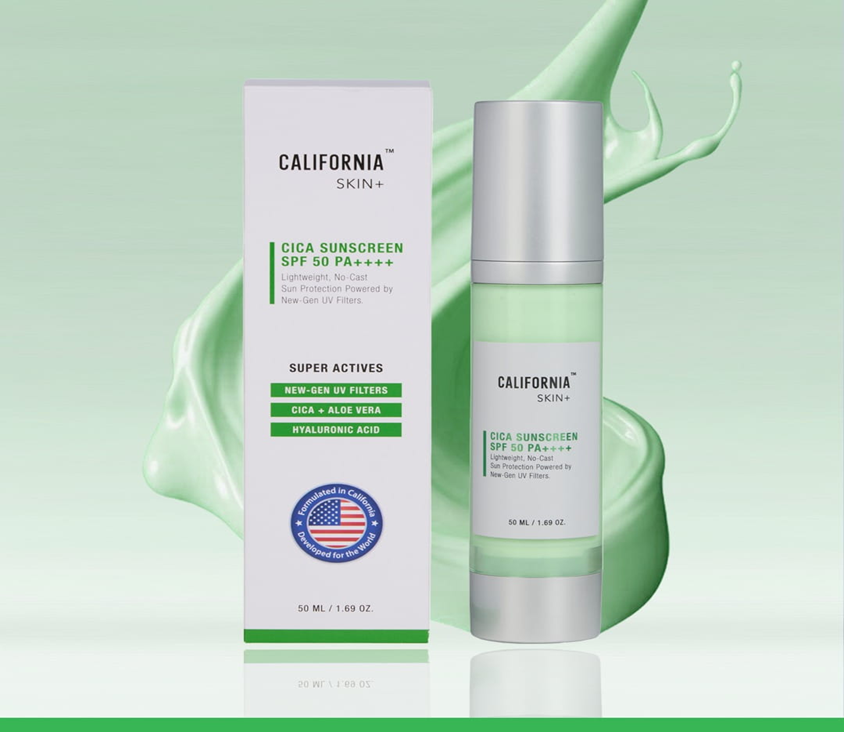
The process of selecting an appropriate sunscreen for acne-prone skin requires two main objectives that people must fulfill. The skin of people who have acne-prone skin becomes easily irritated after they experience heat, sweat, or sun exposure.
Soothing and hydrating ingredients create significant advantages for skin treatment. Skin protection products that contain Cica (Centella Asiatica), Aloe Vera, and Hyaluronic Acid reduce redness while calming skin irritation and maintaining skin moisture without creating any heavy or greasy sensations. The ingredients combine to strengthen the skin barrier, which functions as the main defense mechanism against acne breakouts.
A sunscreen product that adheres to proper formulation standards for acne-prone skin and contains recommended ingredients will maintain your skin’s comfort during hot and humid weather. This becomes more crucial when you have oily skin because heavy products will create a locking effect, which makes you uncomfortable.
Soothing and Hydrating Ingredients That Support Acne-Prone Skin
The skin condition of acne-prone individuals displays both oily and sensitive characteristics, which make their skin more vulnerable to irritation. Soothing ingredients hold equal importance to oil control because they provide necessary relief for acne-prone skin. The formula contains Cica and Aloe Vera, and Hyaluronic Acid as soothing elements, which maintain skin comfort during hot and humid weather conditions. The active components of these products provide two benefits because they decrease skin inflammation and diminish redness while preserving skin moisture without causing a heavy or oily sensation. The ingredients enable the skin barrier to function properly, which helps to avoid future acne breakouts.
The combination of these ingredients creates an effective sunscreen solution that provides daily use comfort for individuals who experience acne breakouts.
Ingredients to Avoid If You Have Acne-Prone Skin
The process of making your selection requires you to know which items you should avoid just as much as you need to know which products you should select. Certain ingredients can easily trigger breakouts or irritation.
Excessive usage of heavy oils, rich emollients, and thick silicones leads to pore obstructions. Alcohol-based products create an initial lightweight feeling, which leads to skin stripping that results in increased oil production. Artificial fragrances are another common trigger, especially for sensitive skin. The process of selecting a sunscreen for acne-prone skin requires you to understand which ingredients work with your skin and which ones create problems for your skin.
Selecting the Appropriate Texture and Product Formula
Most people do not realize that texture affects products more than they think. The sunscreen becomes unwearable because its texture does not match its effective ingredients. People with oily and acne-prone skin should use gel-based sunscreens because these products provide lightness and fast absorption. Matte finishes help control shine, especially in hot and humid weather. Daily use of products becomes easier with lightweight formulas that absorb quickly.
The oil-free sunscreen for acne protects these situations by decreasing shine while keeping skin pores free from blockages. The skin interface makes products more likely to be used when you select textures that match your comfort level.
The Proper Method for Sunscreen Application That Prevents Breakouts
Improper sunscreen application creates problems even when using the best product. Start with clean skin and apply a lightweight moisturizer before your sunscreen to create a balanced base. Apply the recommended amount of product, which equals two finger widths for your face, and spread it throughout your skin. The application of multiple heavy products should be avoided because it results in product accumulation on your skin.
Outdoor activities require you to maintain your sunscreen application schedule because it matches your initial application. Proper application of an acne-friendly sunscreen provides skin protection while maintaining skin balance.
Common Mistakes to Avoid
People need to avoid the main mistake, which involves skipping sunscreen, because they fear its application. This common behavior pattern results in more severe skin problems during the ensuing years. People make the error of selecting sunscreen products according to their SPF value, which they mistakenly believe provides sun protection without examining actual product details. People who do not remove sunscreen from their skin properly at nighttime create conditions that lead to their skin pores becoming blocked throughout the night.
People who apply skincare products with excess application or who change their products too often will develop more severe skin problems. People who want to achieve successful results should focus on maintaining a straightforward approach to their work, which they should execute consistently.
How Oil-Free Sunscreen for Acne Helps Prevent Breakouts
An oil-free sunscreen for acne provides skin protection because it adds no additional weight to your skin. The product prevents skin breakouts because it controls excessive oil production, which leads to blocked pores. These products provide a lightweight experience because they allow skin to breathe. The products protect your skin without creating a greasy texture, which becomes essential during hot weather and high humidity conditions. People who experience persistent breakouts will notice improvements after they choose an oil-free product.
How to Choose the Best Sunscreen for Your Skin Type
Different types of acne-prone skin require different sunscreen products according to your individual requirements. People with oily skin should use products that contain gel or matte finish because these formulas help them stay matte throughout the day. People who have dry skin and acne problems should choose products that provide moisture but do not block their pores. People with sensitive skin should use mineral-based sunscreens that contain soothing components for better protection.
Your lifestyle needs to be taken into account. You need a stronger sunscreen product when you spend time outside. A person who works indoors throughout the day should use a sunscreen product that provides basic protection. People with acne-prone skin can select suitable sunscreen products when they understand their skin type and daily activities.
Conclusion
The process of selecting the appropriate sunscreen for acne-prone skin needs more information than most people think, but actually requires only simple methods. The goal of sunscreen use requires you to select a product that matches your skin. The ideal sunscreen for people with acne-prone skin needs to protect their skin from harm while maintaining their skin’s natural state. The use of lightweight formulas that do not cause breakouts, together with oil-free acne sunscreen products, enables you to safeguard your skin while decreasing your chances of developing breakouts.
The most important thing in life needs to be established as the most important time of day. Your acne and overall skin condition will improve when you use the sunscreen that suits your needs.
FAQs
1. Can sunscreen cause acne?
Yes, using the wrong formula can clog pores and trigger breakouts.
2. What type of sunscreen is best for acne-prone skin?
A non-comedogenic, lightweight, and oil-free sunscreen works best.
3. Is oil-free sunscreen good for acne?
Yes, oil-free sunscreen for acne helps prevent clogged pores and reduces breakouts.
4. Should I skip sunscreen if I have acne?
No, skipping sunscreen can worsen acne marks and skin damage.
5. How often should I apply sunscreen?
Every 2–3 hours, especially when outdoors.
6. Are gel sunscreens better for acne-prone skin?
Yes, gel-based sunscreens are lightweight and less likely to clog pores.