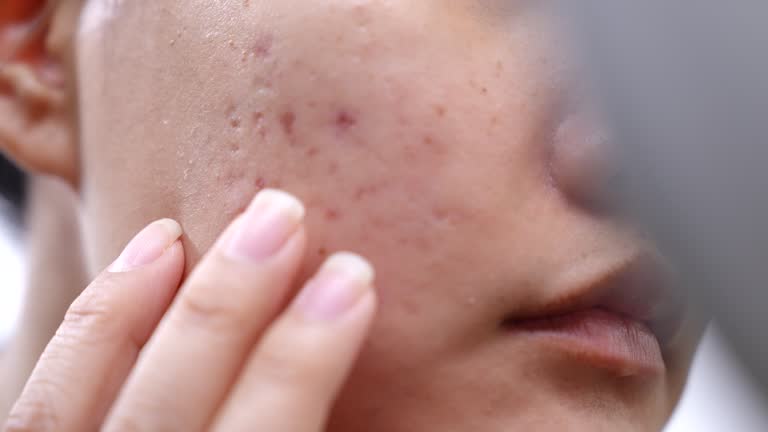
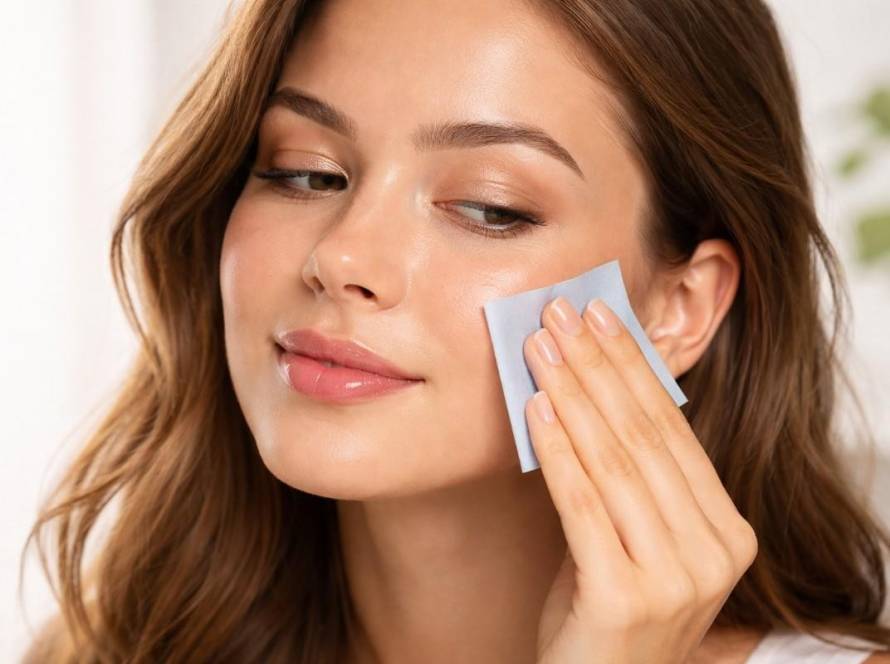
Let’s be real for a second skincare in the winter is actually pretty easy. You can still use your thickest, greasiest cream off the shelf and smear it on like frosting, then wrap a scarf around yourself. But once the first humid heat wave of June hits, everything changes. The expensive moisturizer you loved so much in January now feels like room temperature butter smeared all over your face and you just entered an oven-size sauna.
For those of you that have waited at a bus stop and actually had your skin care products dripping off your chin, you totally understand what I mean! It’s that gross, suffocating feeling where your skin just can’t breathe.
Switching from those heavy “winter” creams to a lightweight moisturizer isn’t just a trend or a way for brands to sell you more bottles. It’s a total survival tactic for your pores. When the weather gets hot, our skin starts acting like a completely different organ, and if we don’t listen to what it’s telling us, we end up with a face full of clogged pores, “maskne,” and that weird, frustrating combo of being greasy yet somehow dehydrated at the same time.
Finding a solid Oily skin moisturizer for the summer is usually the first thing people get right. But understanding the “why” behind that mid-July oil slick is the secret to actually fixing the problem for good.
Why Your Face Becomes a Science Experiment in July
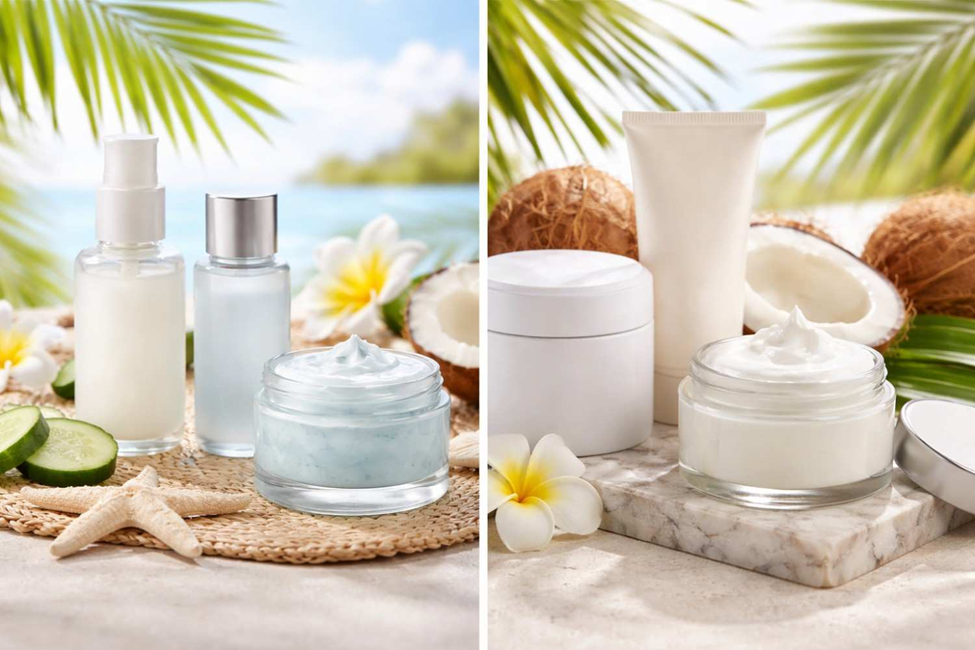
The thermostat produces unexpected effects on our skin. TConsider the example of coconut oil; when in a cool environment, it is a hard block, whereas as soon as it comes into contact with heat it becomes a smeared liquid. Sebum, or your body’s natural oils, works in a very similar fashion. When the environment around you becomes warmer, the sebum melts into a thinner or more liquid state.
Research shows that for every single degree the temperature goes up your skin pumps out about 10% more oil. Your face operates at increased capacity during a 95-degree afternoon.
The next challenge you face involves humidity. The winter air becomes dry and “thirsty” because it attempts to extract moisture from your skin. We apply thick waxy creams because they function as plastic wrap which prevents water from escaping our skin. The summer environment already has complete moisture saturation. The application of thick occlusive cream on oily skin during humid conditions results in complete pore blockage. Your body ends up creating a barrier of heavy oil which prevents the release of sweat and dirt and bacteria. “Mallorca Acne” (the annoying summer bumps that create itching) begins through this process.
Statistics from various skin clinics suggest that nearly 40% of us see a massive spike in breakouts during the summer months. It’s rarely just the “heat” it’s usually the fact that we’re using the wrong products for the environment. We need hydration (water), not more lubrication (heavy oils).
The “Breathable” Factor: Why Texture is Everything
The primary distinction between a “heavy cream” and a “lightweight gel” is primarily defined by the water to oil proportions inherent in those ingredients. Thick creams are intended to sit on top of the surface of your skin and serve as a barrier from the cold wind, however, once you begin sweating, they become almost unbearable.
During the summer months, your skin also needs to be allowed to breathe properly; therefore, if you’re applying a thick layer of petroleum jelly or wax to your face, when you start to sweat, the sweat doesn’t have any place to escape. It gets trapped, which can lead to heat rash or milia—those tiny, stubborn white bumps that are such a pain to get rid of.a lightweight gel or a water-cream will usually absorb into your skin and give you that silky, hydrated look without leaving any film.
If you’re already seeing some congestion or “summer spots,” layering a targeted acne serum under a light moisturizer is a total game-changer. It treats the problem at the source without adding more bulk or weight to your routine.
Air Conditioning: The Hidden Skin Saboteur
Here’s a curveball: your environment isn’t just what’s happening “outside.” Most of us spend about 90% of our summer indoors, usually right in front of an AC unit. Air conditioners are basically giant dehumidifiers. They rip the moisture out of the air, which can actually leave your skin feeling tight and parched even if it’s boiling hot outside.
This is why some people think they still need a heavy cream in July. They feel that “tightness” after sitting in the office all day and reach for the thick stuff. The optimal choice is to apply a lightweight moisturizer which contains both ceramides and hyaluronic acid. The two elements establish skin protection through their work yet maintain a non-greasy appearance even after your return from outdoor activities.
How to Layer Without Looking Like a Glazed Donut
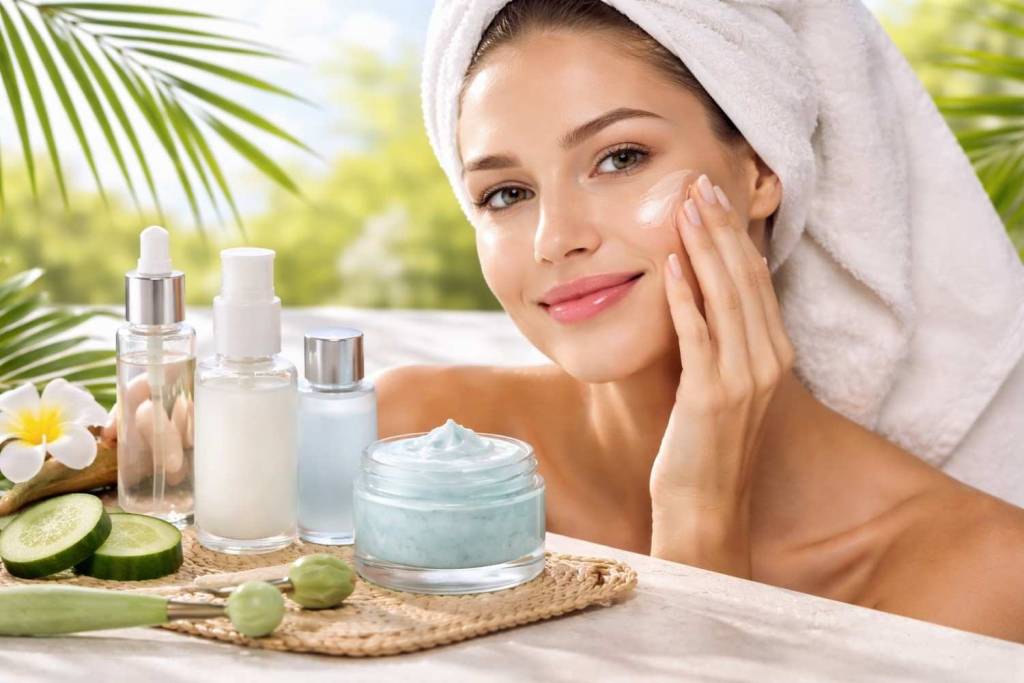
The biggest mistake? People skip moisturizer entirely because they believe their skin already contains sufficient oil. Your skin loses moisture when you skip applying moisturizer which triggers an increase in oil production as your skin attempts to shield itself. The process creates a harmful loop which results in additional skin breakouts.
The application method follows a “thin-to-thick” sequence. Start with a super gentle wash to get the sweat off. Then, hit the problem areas. Apply a small amount of acne gel for pimples to treat the pimple which has developed due to increased humidity. The application method enables you to apply strong drying substances only to required areas while keeping your entire face from being dried out.
The application of your lightweight moisturizer should take place now. The ingredient list should include Vitamin B5 (panthenol) together with squalane. Squalane functions as an effective oil substitute because it replicates the natural oil production process of your skin which enables complete absorption without creating a greasy sensation.
Ingredient Check: What’s In and What’s Out
During the summer months, be sure to take some extra time to read labels on all products you would like to use.Get the ‘water magnets’ and ‘soothers’ instead of then seek out the ‘sealants.’
- The Good Stuff: Hyaluronic Acid (is weightless hydration), Niacinamide (visibly reduces pores & calms redness) and Green Tea (antioxidants to help prevent sun damage).
- The “Save for Winter” Stuff: Petrolatum, heavy Mineral Oil & high amounts of Shea Butter; these are winter skin care heroes!! In the summer they are a little over the top.
A report published in Journal of Clinical and Aesthetic Dermatology showed that the best way to diminish or prevent signs of inflammation is to keep your skin barrier hydrated.Using light, water-based layers will help your skin barrier stay happy which helps your skin stay less inflated after either sweating or sun exposure. (Source)
The Sunscreen Struggle
We need to discuss the SPF elephant that exists as an unspoken issue. People dislike applying moisturizer during summer because they believe sunscreen already creates a thick sticky barrier on their skin. The statement is accurate because modern sunscreens function as moisture-based products that include ultraviolet protection filters.
People with oily skin can use hydrating SPF because it serves as their morning moisturizer. The person needs to use a water-based gel moisturizer which has a lightweight texture if they want to use both products. This prevents “pilling” those annoying little white flakes that happen when your products don’t mix and just roll off your skin in clumps.
Listen to Your Face (It’s Talking to You)
Skincare requires ongoing maintenance because it needs regular evaluation throughout the entire process. Your skin will experience different sensations because of the weather conditions which include rainy humid days and dry windy days. You require additional serum for your skin when you experience a tight feeling after waking up. Your skin becomes shiny before you drink your first coffee of the day so you should reduce your use of oily products.
People should not expect their skin to remain completely matte through all summer weather because this is an unrealistic expectation. People should aim to achieve a healthy glow which maintains its bouncy appearance without causing any weight or itchiness. The use of lighter textures allows your skin to perform its natural functions while you provide essential hydration for your skin’s protection.
Conclusion
The essential requirement for summer skin care involves maintaining proper skin weight. The beach requires you to choose lightweight clothing which you should not wear as a heavy wool sweater. The skin achieves maximum potential for clear and calm conditions through the replacement of heavy cream tubs with light water-based containers. You should maintain proper skin moisture while handling skin blemishes and applying sunscreen at all times. Your skin will appreciate the time off from work.
FAQs
1. Is it okay to use a gel moisturizer if I have dry skin?
Totally. Just look for one that has “barrier repair” ingredients like ceramides. If you still feel dry, try applying it to damp skin right out of the shower, it helps lock in more water without needing a heavy oil.
2. Why does my skin feel greasy and dry at the same time?
That usually means your skin is “dehydrated” (lacks water) but “oily” (has plenty of oil). A heavy cream adds more oil but doesn’t fix the water problem. Switch to a lightweight, humectant-rich moisturizer instead.
3. Do I really need moisturizer if I’m sweating a lot?
Yes! Sweat is just salt and water leaving your body; it doesn’t actually hydrate your skin cells. In fact, the salt in sweat can be drying. A light moisturizer helps balance things out after you wash the sweat off.
4. How can I tell if a product is “lightweight”?
Usually, it will say “gel,” “water-cream,” or “emulsion.” If you rub a little on the back of your hand and it disappears in about 30 seconds and doesn’t leave a sticky shine, it’s perfect for summer.