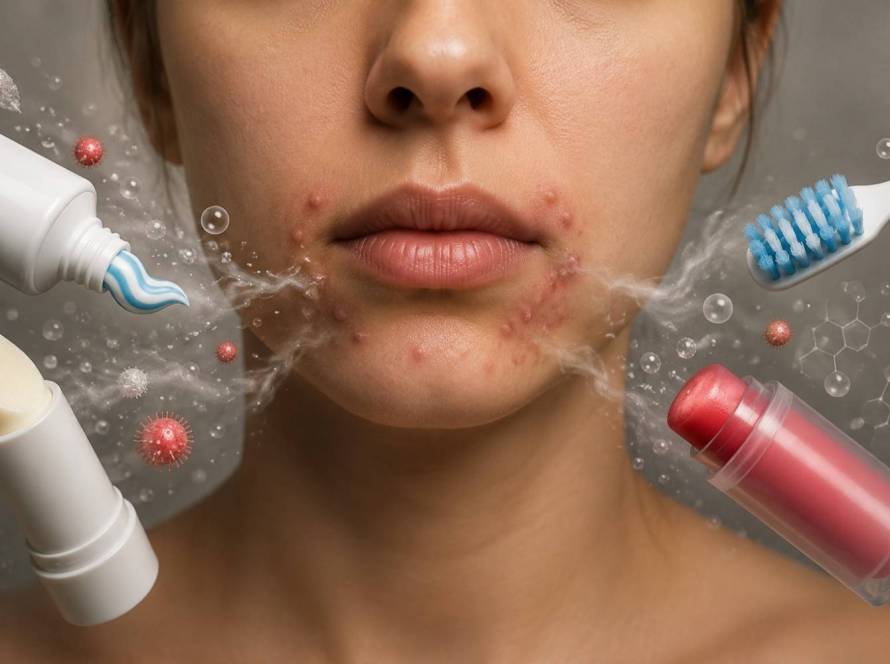
Acne is not “just a phase.” Acne affects 85% of people worldwide who are between the ages of 12 to 25 and approximately 20% of adults who are 25 years old and above. Acne exists as one of the most prevalent skin disorders that affects people throughout the world because it extends beyond teenage years. The actual issue now exists. People continue to use incorrect products despite the fact that acne occurs in most cases. Harsh drying treatments. Over-exfoliation. Skipping moisturizer. Layering five actives at once.
Skincare has undergone development throughout the years since 2026. The conversation has shifted from “dry it out” to “balance it intelligently.” The guide will provide evidence-based information about the effective acne treatment serums which operate for acne-prone skin in 2026. The truth about selecting the ideal serum for acne-prone skin in 2026 requires more than using the most potent product available. The process requires selecting suitable components and establishing proper proportions. The combination with proper serum for oily skin and lightweight oily skin moisturizer creates complete transformation. The most basic explanation of this matter will be presented.
Source: mdpi
Why Acne-Prone Skin Needs a Serum
Face washes clean the surface. Serums work deeper. A serum contains concentrated active ingredients that target:
- Excess oil production
- Clogged pores
- Inflammation
- Acne-causing bacteria
- Post-acne pigmentation
The future of skincare in 2026 will implement advanced technologies for skincare products. Dermatologists now treat patients by restoring their skin barriers and controlling their skin oil production instead of using outdated methods that cause excessive skin dryness. The damaged skin barrier causes your skin to produce additional oil, which results in increased acne outbreaks. The optimal serum for treating oily skin currently combines oil control with skin calming and balancing features.
What Really Works in 2026 for Acne-Prone Skin
Trends come and go, but science-backed ingredients stay. These are the ingredients dermatologists still recommend in 2026:
1. Salicylic Acid (BHA)
If you have oily skin and clogged pores, salicylic acid is your best friend. It is oil-soluble, meaning it penetrates deep inside pores and dissolves excess sebum.
It helps with:
- Blackheads
- Whiteheads
- Mild acne
- Congested skin
Unlike physical scrubs, it exfoliates gently without causing micro-tears.
2. Niacinamide (5–10%)
Niacinamide is one of the most loved ingredients in modern skincare. It controls oil production without drying your skin.
Benefits include:
- Reduced sebum production
- Smaller-looking pores
- Reduced redness
- Stronger skin barrier
When people search for the best serum for oily skin, niacinamide is almost always part of the formula.
3. Azelaic Acid
This ingredient is underrated but powerful. It fights acne bacteria while also reducing pigmentation.
It’s especially good if you:
- Have acne + dark spots
- Have sensitive skin
- Experience redness
It’s gentle but effective.
4. Retinol (Low Strength for Beginners)
Retinol increases cell turnover. That means fewer clogged pores and smoother texture over time.
It helps with:
- Persistent acne
- Acne scars
- Uneven skin
Start slow (2–3 times a week) and always pair it with an Oily skin moisturizer to avoid irritation.
5. Zinc PCA
Zinc helps calm inflammation and regulate oil. It’s often combined with niacinamide in the best serum for acne-prone skin formulas.
6. Hyaluronic Acid (Yes, Even for Oily Skin)
Many people with oily skin skip hydration. Big mistake. Your skin produces extra oil as a response to skin dehydration. The skin receives moisture from hyaluronic acid which does not create oily skin. The best serum for oily skin contains this ingredient because it is effective.
Ingredient Comparison Table
| Ingredient | Best For | Why It Works |
| Salicylic Acid | Clogged pores, blackheads | Oil-soluble exfoliant that clears excess sebum inside pores |
| Niacinamide | Oil control, large pores | Balances oil production and strengthens skin barrier |
| Azelaic Acid | Acne + dark spots | Reduces inflammation and fades pigmentation |
| Retinol | Persistent acne, texture | Speeds up cell turnover and prevents pore clogging |
| Zinc PCA | Active breakouts | Controls oil and calms irritation |
| Hyaluronic Acid | Dehydrated oily skin | Hydrates without adding oil |
How to Choose the Best Serum for Acne-Prone Skin
Choosing the best serum for oily skin depends on your specific concern.
If You Have:
- Mostly blackheads → Choose salicylic acid
- Red inflamed acne → Choose niacinamide + zinc
- Acne + pigmentation → Choose azelaic acid
- Persistent adult acne → Add low-strength retinol
But remember, one serum cannot do everything instantly. Consistency matters more than intensity.
Common Mistakes People Still Make in 2026
Even in 2026, with smarter formulations and better awareness, people are still unintentionally sabotaging their skin. The problem isn’t the lack of products. It’s a lack of strategy. Acne-prone and oily skin needs consistency, balance, and patience. But most routines fail because they’re driven by urgency, not understanding.
Here are the four biggest mistakes that quietly ruin your results:
- The practice of applying multiple active ingredients to your skin simultaneously leads to adverse effects. Your skin barrier becomes overstressed when you apply salicylic acid, retinol, AHA, benzoyl peroxide, and vitamin C together. Inflammatory processes begin when your barrier function declines which leads to increased inflammation that drives acne development. The treatment results in irritability and skin redness while it causes your skin to produce excess oil. The optimal serum for oily skin delivers its best results when applied without any competing active ingredients.
- People believe that they should not use moisturizers when their skin feels oily which creates the most damaging skincare myth. Your body requires a barrier repair moisturizers because these products protect your skin from dehydration. People who experience skin dehydration will develop oily skin because their body needs to counteract the moisture loss.The additional oil that develops during this process will create blocked pores which result in extra breakouts. The use of lightweight non-comedogenic moisturizer enables you to maintain sebum control while protecting your skin barrier from active ingredients.
- The practice of daily exfoliation through strong acids leads to skin damage because it removes protective skin elements. People who over-exfoliate their skin experience momentary smoothness which develops into skin sensitivity and breakouts and three times higher oil production. Acne-prone skin requires controlled exfoliation because aggressive methods lead to more skin damage. Most people achieve better results from their skincare routines when they scrub their skin two to three times weekly instead of daily.
- The body requires multiple weeks before it can generate new skin cells. Most active ingredients need at least 4-6 weeks to show visible change, and sometimes up to 8 weeks for consistent improvement. The process of switching products repeatedly during this period will stop you from making any advancement. Permanent clear skin development requires daily skincare which uses gentle materials to protect your skin barrier.
Healthy skin is not about intensity. It’s about patience, balance, and giving the right ingredients time to work. Healthy skin takes 6–8 weeks to show visible improvement.
How Long Before You See Results?
- Salicylic acid: 2–4 weeks
- Niacinamide: 3–4 weeks
- Retinol: 6–8 weeks
- Azelaic acid: 4–6 weeks
Patience is part of the process.
Final Thoughts: What Really Works?
The only important information to remember from this blog is that acne-prone skin requires treatment through balance instead of punishment. The most effective serum for oily skin problems exists. The serum, which provides strength, serves as the solution to your particular problem. Users can achieve permanent results by combining salicylic acid, niacinamide, azelaic acid, and retinol with a lightweight Oily skin moisturizer. The path to achieving clear skin requires knowledge of your particular skin type and scientific evidence to guide your choice of skin products.
Your skincare routine reached new levels of effectiveness because you gained knowledge about the most effective treatments.
FAQ’s
1. What is the best serum for acne-prone skin?
The best serum for acne-prone skin is California Skin+ Acne Control Serum as it contains salicylic acid, niacinamide, to control oil, unclog pores, and calm inflammation.
2. Can oily skin skip moisturizer?
No, oily skin still needs hydration, using a lightweight Oily skin moisturizer helps balance sebum and prevent excess oil.
3. How long does it take for acne serums to work?
Most acne serums show visible improvement in 4–6 weeks, while retinol may take up to 8 weeks.
4. Is California Skin+ good for acne-prone and oily skin?
Yes, California Skin+ is great for acne-prone skin because of its balanced formulations focused on oil control, barrier repair, and lightweight textures.
5.Can I use acne serum every day?
Yes, most acne serums can be used daily, but strong actives like retinol or exfoliating acids should be used 2–3 times a week to avoid irritation