Air conditioning provides heat relief but creates skin problems that cause tightness and flakiness and discomfort. The body experiences moisture loss because continuous time in air-conditioned spaces decreases atmospheric moisture which results in skin barrier deterioration. Women with existing dry skin conditions must use dry skin facial moisturizers to achieve proper hydration and comfort throughout their daily routines. Your skin health will benefit when you learn about AC skin effects and methods to protect your complexion from those effects throughout the year.
The Reasons Air Conditioning Affects Your Skin
Air conditioning will remove moisture in the air when the air is cooled. After spending some time in a room which is air-conditioned, you will realize that your skin is tight or even a bit flaky. This is because dry air complicates your skin to hold on to the moisture that your skin requires. The system achieves indoor comfort through its operations, but it produces a major decrease in indoor humidity. Human skin experiences water loss through transepidermal water loss when humidity drops below 40 percent. The condition produces three specific symptoms which include skin dryness and irritation and changes in skin texture.
Lipids and naturally occurring moisturizing agents are essential for the stratum corneum, the skin’s outermost layer, to remain intact. For the body to maintain the right balance of moisture in the skin, humidity levels are necessary. People experience skin problems which include tightness and flaking and increased sensitivity. People who spend long hours in offices, cars or homes that use powerful air conditioning systems face increased risk for developing these symptoms.
The Common Signs Which Show Dry Skin From Air Conditioning Use
The following effects might be apparent if you spend a lot of time in air-conditioned areas:
- Tight feeling after washing
- Flaking skin on the cheeks and nose
- Bumpy skin texture
- Lines that look deeper
- Itchy or red
When you notice these early signs of your condition it becomes possible to modify your daily activities until the permanent dryness develops.
The Science of Humidity and Skin Health
Humans require humidity control because it serves as their essential defense mechanism against skin moisture loss. The National Center for Biotechnology Information published research which showed that low indoor humid conditions create extreme skin dryness and discomfort for people who work indoors. The study shows that people who experienced low humidity conditions showed higher levels of skin roughness while their skin hydration showed lower levels. Environmental moisture acts as a direct factor which determines the effectiveness of skin barrier performance.To keep your skin feeling good, indoor humidity needs to stay between 40 and 60 percent.
Here’s a quick look at how humidity messes with your skin:
| Atmospheric Moisture | Skin Impact | Common Symptoms |
| Below 30% | Severe dryness | Flaking, tightness, irritation |
| 30 to 40% | Moderate dryness | Rough texture, sensitivity |
| 40 to 60% | Balanced hydration | Comfortable, supple skin |
| Above 60% | Increased moisture | Slight oiliness |
This data demonstrates why AC-heavy environments often lead to compromised skin hydration.
A Daily Skin Care Routine to Combat Dryness
A good routine lowers the chances of barrier dehydrating and enhances resilience. Think about adequate sealing and layering of hydration.
- Start with a gentle cleanser that won’t strip away your oils. The dry of cationic surfactant is liable to increase in high humidity. Opt for a cleansing cream or gel that won’t strip your skin and leave it tight and dry.
- After cleansing your face, gently pat it dry without waiting a moment and the reach for that hydrating serum now. Seek out ingredients such as hyaluronic acid or glycerin, those are your skin’s best friends.
- Then you follow with a heavy moisturizer with something like fats, oils or ceramides that would lock all of the goodness in.
- These elements seal water loss and strengthen the barrier. As skin renewal is at its highest when you sleep, why not opt for a cream with a little more oomph to aid repair whilst you catch some z’s.
Hydration Maintenance Through Active Life
Hydrating with products is not the only option. You must drink water all day long to provide your body with proper hydration. Avoid hot showers as they take away the essential protective oils from your skin.
Eating foods provide water and more to the body. Antioxidants found in cucumbers, oranges, melons, spinach, and other such food protect skin against the elements. Don’t consume too much alcohol or caffeine as they both dehydrate you when taken in excess.
Exercise helps people with their physical needs. Moderate exercise promotes circulation which delivers oxygen together with nutrients to skin cells. Improved blood flow enables the body to produce natural skin radiance while it repairs its protective barriers. After exercising, people should use gentle cleansers and moisturizers to protect their skin from salt damage which occurs when sweat evaporates.
Learning how to handle stress proves to be equally essential. Extended periods of stress lead to decreased skin barrier protection together with heightened skin sensitivity.Through meditation, deep breathing exercises, and light stretching practices, people can improve their skin condition because these activities help them manage their cortisol production. The advantages of hydration maintenance come from people adopting small, consistent lifestyle changes.
Sun Protection Still Matters
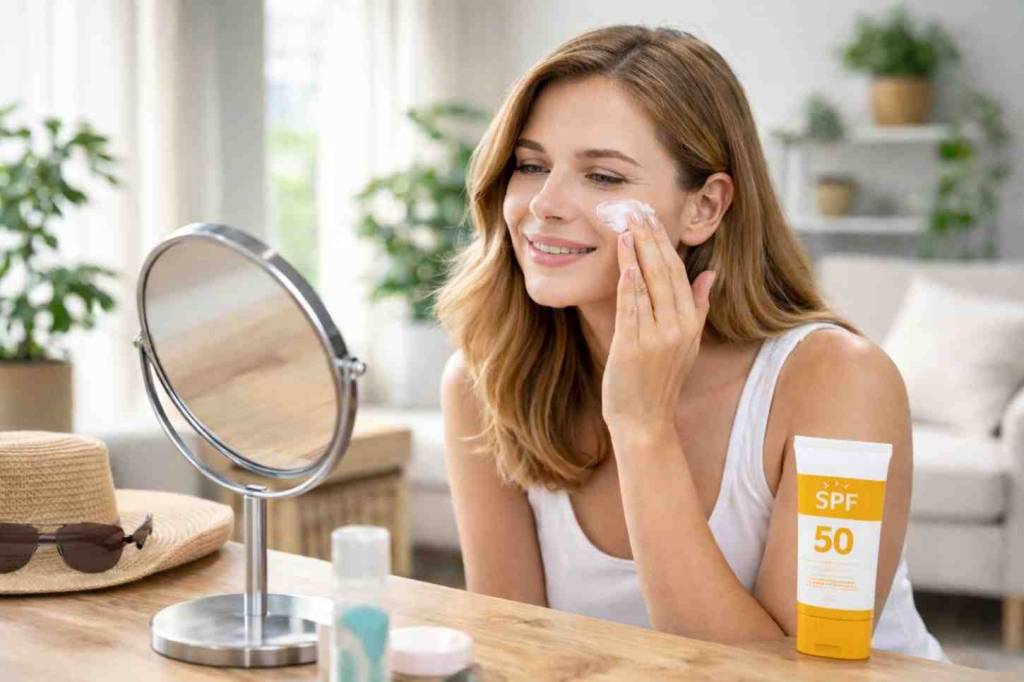
You need to apply sunscreen throughout the day because your primary skin issue involves dryness. The barrier is compromised, and water loss is elevated with UV radiation. If you are going to be doing a lot coming in and out of indoor/outdoor heating and cooling, a broad spectrum SPF 30+ sunscreen should be part of your daily regimen.
Even a little sun exposure can make your skin even more dry. The protective lipid layer gets damaged and the UV rays go deeper into the skin layers that results in more water being lost.
Air conditioning and heating systems create dry conditions which lead to skin dehydration but people with existing dry skin conditions will experience worsening skin problems through their failure to apply sunscreen. The ideal sunscreen for your needs should contain moisturizing ingredients which include glycerin and hyaluronic acid and ceramides because it provides UV protection while maintaining skin moisture.
The sunscreens for sensitive or dry skin usually contain a non, irritating, fragrance free base, which makes them good for use on a broken skin barrier. Physical (mineral) surfactants with zinc oxide or titanium dioxide provide a protective layer on the skin and unlike chemical surfactants, they don’t strip the skin of its moisture. The protective layer requires you to reapply it every two hours during outdoor activities and after your face has been wiped or you have sweating episodes. The necessary skin hydration process requires you to maintain your skincare routine because it will lead to skin damage through time.
When to Seek Professional Help
The dermatologist needs to be consulted by you when your skin dryness persists despite your efforts to change your life habits. Most of the time, dry skin might be a manifestation of eczema or skin barrier disorders that require a doctor’s treatment. Getting treated early is the best way to avoid the discomfort lasting over a long period and pigmentary changes.
Book your appointment if you experience:
- Frequent bleeding or stinging from cracked skin
- Itching so intense it prevents sleep
- Thickened or scaly areas that grow in size
- Redness with swelling or warmth
- Extreme sensitivity to items previously used
Your dermatologist will be able to prescribe medicinal ointments, limited use of topical steroids or barrier repair products based on your skin type. The advantage of early detection is that comfort is restored more rapidly and your skin is guarded against long-term harm and marbled pigmentation.
Conclusion
Although dry air and air-conditioning are endemics that plague modern indoor living, you can manage the symptoms well enough with a little know-how. Once you get how humidity is linked to barrier function, you can probably even prepare for it. Healthy, balanced skin is within your reach simply by regulating the humidity levels, layering up, opting for mild skin care, and moisturizing sufficiently. Slow release is additionally increased by the inclusion of active ingredients such as ceramides and antioxidants. Niacinamide modulates sebum production and improves barrier function without aggravating dryness so if you want to add a niacinamide serum for combination skin to your skincare routine, here are the best ones to try.
FAQs
- How fast does AC make your skin dry?
Barrier disruption with dryness can develop in as little as a few hours with low humidity.
- Is AC bad for oily skin as well?
Yes. The skin is also oily hence dehydrated and as such, surely enough, it should not be surprising that dehydrated skin can go out of balance and lead to more breakouts.
- Can one reapply moisturiser during the day?
In case you are a long time AC user, and your skin is screaming because it needs some water, a touch-up could be your savior.
- Is using a humidifier to prevent drying out safe?
It does. It really makes a difference. But you still have to have a good skin care regimen.
- Are the natural oils on your skin the only thing that can makeup for the dryness brought on by AC, or can you use other things too?
Natural oils do help trap moisture but to fully take advantage of their hydrating power, oils should be used over moisturizers and other hydrating products.