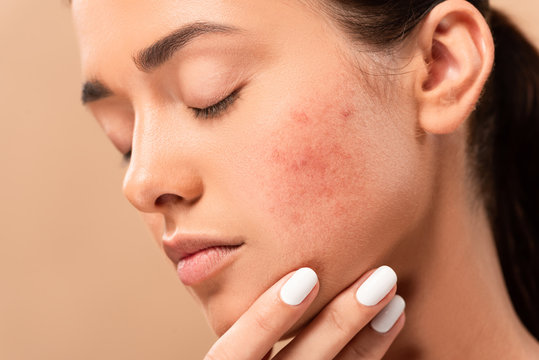
Have you looked in the mirror and felt like your face has changed its style a couple of times a month? One week’s Monday, you wake up with that effortless, “glass-skin” glow that has you feeling like a skincare queen and the next Tuesday, you’ve got an angry cluster of little red bumps on your jawline? While it can be irritating, breakouts and other skin issues aren’t just coincidental or due to the candy bar you had a few minutes & hours earlier; they are a result of your internal body chemistry trying to communicate with you!
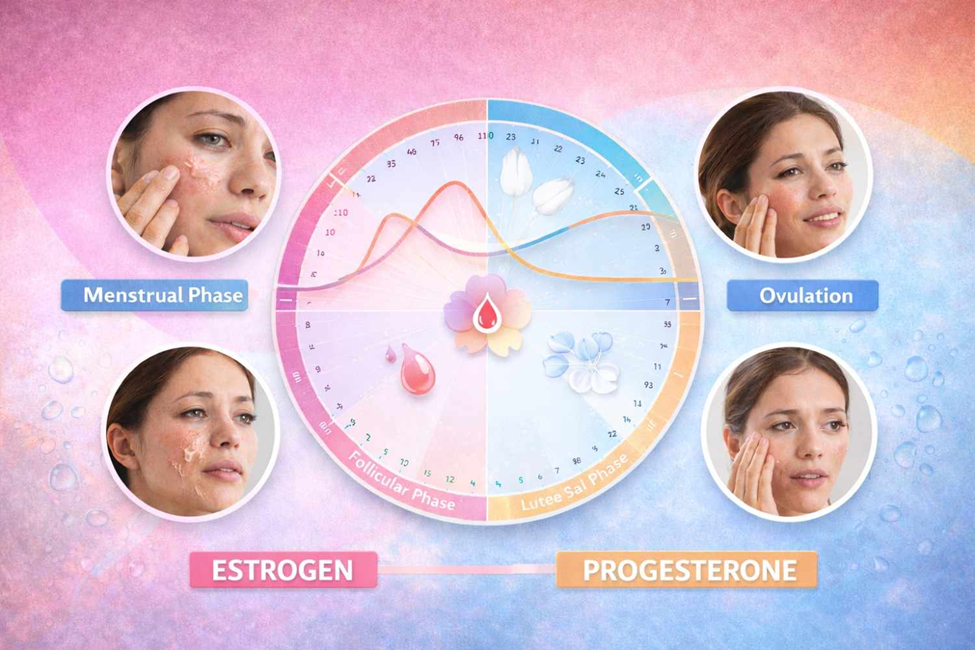
The idea of cycle-syncing your skincare routine is all about playing nice with your hormones instead of fighting them all the time. Rather than following a strict routine that’s either too harsh or too gentle depending on the day, you learn to switch it up. By knowing the four phases of your cycle; you will be able to anticipate when your skin will produce oil, when it will require moisture and when it will be best to keep your hands off of it. During the high oil producing periods, having access to good quality acne control cleansing products could mean the difference between mild pimples and an all out breakout.
The Science of the Monthly Shift
Our skin is essentially a giant sensor for our internal health. Your skin also contains many receptors that are directly responsive to estrogen, progesterone, and testosterone. Estrogen is basically the best friend your skin could have. It assists with collagen, gives it volume, and keeps it hydrated. Progesterone, on the other hand, complicates matters. When progesterone spikes, your oil glands go into overdrive, leading to the internal lining of your pores swelling, which in turn traps the oil and creates the perfect place for acne bacteria to thrive.
Not only does this sound good in theory, but the numbers are truly astounding. Research published in the British Journal of Dermatology indicates that roughly 63% of women notice their acne getting significantly worse right before their period starts. Estrogen levels drop dramatically as do progesterone levels when your cycle begins. (Source)
The Menstrual Phase (Days 1 to 6)
Both estrogen and progesterone levels drop significantly compared to the previous month. Decrease in both levels of hormone leads to loss of vitality of skin. Without these hormones to help retain moisture, your skin barrier may feel thin, sensitive, and very dry. The skin condition causes increased redness and some degree of skin shedding.
This is the week to go into “repair mode.” Put away the strong acids and the vibrating scrub brushes. Your skin is basically pleading for a nap. It’s time to concentrate on applying products that provide hydration and calming effects. All women who experience skin dryness should apply a moisturizer during this time to restore their damaged skin barrier. The process of moisturizing will help to reduce all symptoms of dryness which include tightness and itchiness that women experience.
The Follicular Phase (Days 7 to 12)
The human body starts to produce more estrogen after the completion of your menstrual period. This period represents the time when your complexion reaches its most attractive state. Your body generates increased amounts of hyaluronic acid and collagen which creates a natural facial glow that requires no effort from you.
Your skin reaches its optimal strength during this time which allows you to perform maintenance work on your skin. The period provides an ideal opportunity to conduct mild exfoliation which will remove the accumulated dullness from the previous week. This is how you prepare for the new phase of hormone secretion by getting ready for oil production.
The Ovulation Phase (Days 13 to 16)
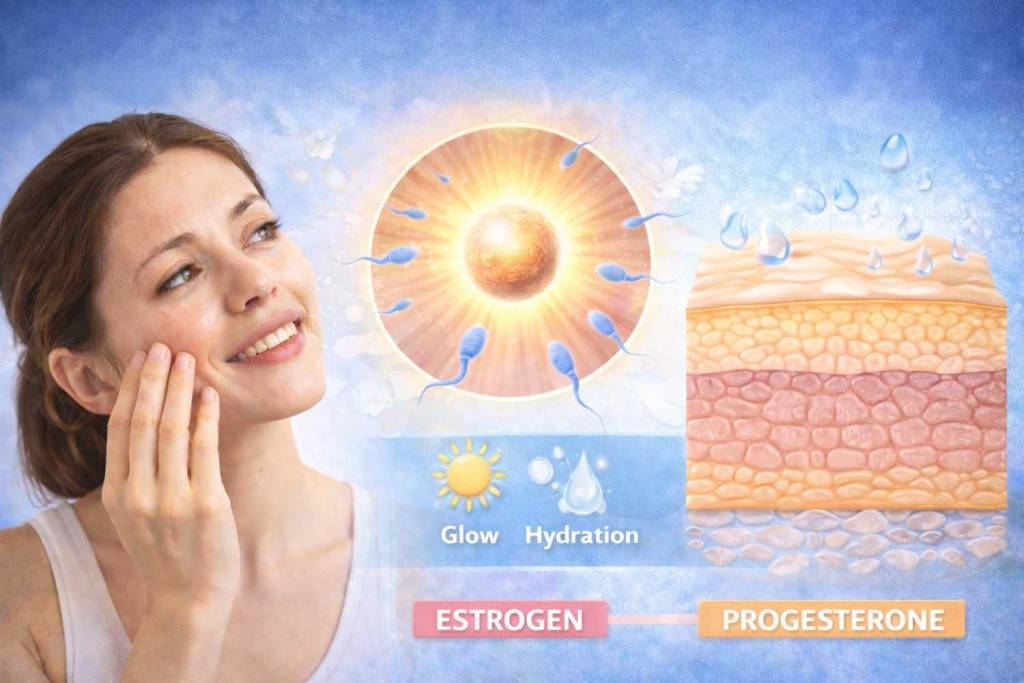
The menstrual cycle reaches its peak estrogen level during its middle point. You will experience positive feelings while your appearance improves. A hidden change is taking place which people cannot easily notice. Your oil production begins to increase because luteinizing hormone (LH) levels start to rise.
If you know you’re prone to mid-cycle breakouts, this is the time to get ahead of them. Introducing a face serum for oily skin into your routine right now can help regulate that sebum before it has a chance to clog your pores. It is much simpler to prevent a clog than it is to fix a cyst.
The Luteal Phase (Days 17 to 28)
The final stretch of the race becomes most difficult for many competitors. Your progesterone levels are high, and your skin is probably feeling much slicker than it did a week ago. This is when “period acne” usually hits, and it usually comes in the form of deep, painful nodules along the jawline.
When these areas begin to emerge, do not freak out and do not pick. Picky fingers lead to scars that last way longer than the pimple itself. Instead, use a targeted drying lotion acne to shrink blemishes while you sleep. If you have a whitehead that has already come to the surface, popping on a hydrocolloid acne patch is the smartest move. It sucks out the gunk and keeps your hands off your face so the skin can heal properly.
Tracking the Monthly Trends
You need to learn the numbers because they help people understand that others share their same challenges. The following explanation shows how different stages of skin development progress through the various stages of skin development:
| Cycle Phase | What’s Happening Inside | Skin’s Vibe | Your Game Plan |
| Menstrual | Low everything | Dry, tight, sensitive | Hydrate and soothe |
| Follicular | Estrogen rising | Strong, glowing, clear | Maintain and prevent |
| Ovulation | Estrogen peaks | Radiant but getting oilier | Control oil levels |
| Luteal | Progesterone spikes | Oily, congested, breakout-prone | Treat and protect |
Studies suggest that adult acne affects over 50% of women in their 20s. Most of these women find that their flare-ups follow this exact monthly rhythm. By syncing your products to these changes, you’re essentially giving your skin the “antidote” to whatever your hormones are throwing at it.
Why Personalization Matters
While the four-phase model is a great blueprint, every body is unique. Some women exhibit longer follicular phases whereas other women demonstrate more intense luteal spikes. Your personal symptoms require your full attention because they serve as the primary reason for this necessity. You should switch to your acne-fighting serum before Day 17 if your skin begins to feel oily. Your skin serves as the most effective method to track your current skin condition.
The hormonal responses of the body become more intense because of stress, diet changes, and weather fluctuations. The body produces more oil during stressful times because cortisol levels increase which makes the luteal phase more challenging. The implementation of a cycle-synced skincare regimen together with your planned daily activities establishes an all-encompassing system to support your skin health.
Conclusion
At the end of the day, cycle-syncing your skincare routine is all about tuning in to your body.The skin treatment approach has shifted from needing a solution to needing an approach that provides skin support. Your skin shows normal behavior through breakouts and dry patches because of its response to internal body processes. Whether you need a rich Moisturizer for dry skin women to get through a dry winter or a spot treatment for a luteal phase breakout, being prepared is everything. When you decide to stop fighting your cycle and instead work with it, you will find that clear skin becomes much more predictable.
FAQs
Do I need to buy new products?
Not necessarily. It’s more about timing than buying. Use your rich creams during your period and save the acne serums for the two weeks prior.
How do I track my cycle?
Use a tracking app. Day 1 is the first day of your period. Track your skin for 2–3 months to identify your unique hormonal patterns.
What if my cycle is irregular?
Don’t rely on a calendar; read your skin. If you notice increased oil and congestion, treat it as your Luteal phase, regardless of the date.
Can diet help my skin?
Yes. Reducing sugar and dairy can help stabilize insulin levels, leading to fewer hormonal breakouts and less oil production.