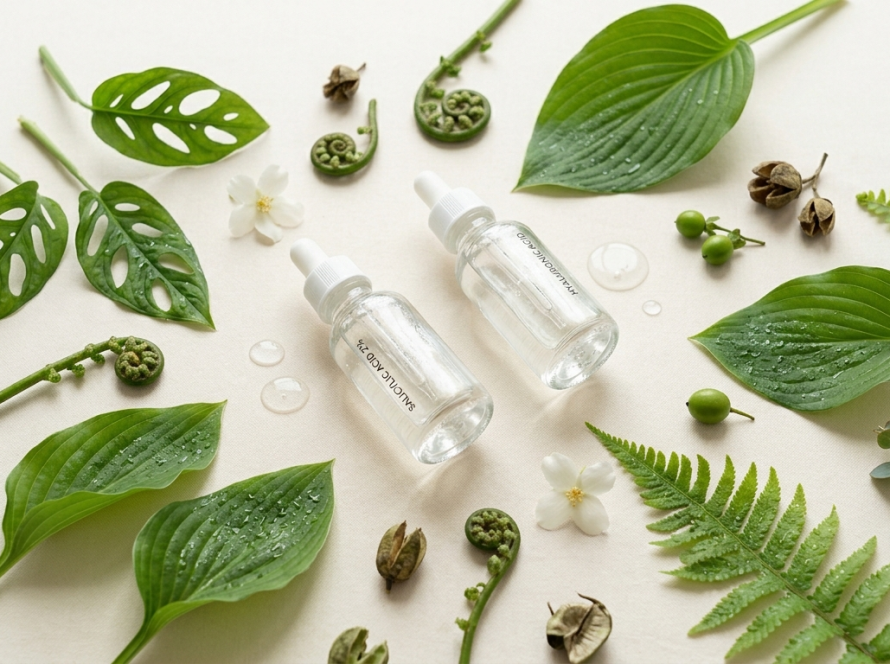
People who start the day with balanced skin, experience afternoon and evening oiliness as a common problem. People experience oil buildup throughout the day which continues to increase. Selecting the Best face moisturizer for your skin type is a crucial starting point, but it is not enough to manage oil production. The process of evening oiliness occurs through multiple internal biological patterns and external environmental elements and everyday activities and typical skincare mistakes. Once you are aware of the hidden factors, you can take deliberate steps rather than fighting a losing battle against oiliness.
The Science Behind Evening Oil Production
Sebum functions as a vital substance which helps sustain proper skin health. The substance functions as a protective barrier which prevents water loss and offers flexible movement abilities. The body produces oil throughout the day because different circadian rhythms create changes in its secretion patterns. The sebaceous glands increase their production when body temperature rises and daily stress levels build up. The surface has developed an oil layer which has built up since the morning time.
Heat exposure together with physical exercise and cortisol release from stress induces additional oil production through skin glands. The skin starts the day with a comfortable sensation which transforms into an oily feeling during the evening. The problem occurs because of two factors which include excessive oil production and the resulting build-up of oil on the skin.
Daily Habits That Quietly Increase Oiliness
The daily habits which you practice throughout your day will enable you to achieve greater attractiveness during the evening because they will work without your awareness. Your skin problems emerge because these habits create an accumulation which disrupts your skin’s natural balance.
- Makeup should be completely removed before people apply new makeup.
- People who touch their face multiple times during the day.
- People who exercise should always remove their makeup after workouts.
- The use of strong facial cleansers leads to skin dehydration.
- Foods with high glycemic index load cause insulin levels to rise.
The skin begins to produce excess oil because it becomes dehydrated through excessive cleansing. This particular reason represents a common cause that leads people to develop evening shine which they usually forget about.
Environmental Factors and Indoor Skin Stress
Your surrounding factors are crucial in having an effect on your skin. In town, your skin becomes dirty with particles as they are collected on the oils on your skin. Air conditioning in your house will decrease the level of moisture, leading to a slight state of dehydration throughout the house. The sebaceous glands produce more oil to prevent damage on your skin. Those living in the heat produce more sweat, as it will become a mixture of oil and dirt. Stress factors on your skin barrier include computer screen time and work at home conditions, and lead to the production of oil.
In addition to visual pollution, the particulate matter found in air pollution is small enough to penetrate into the pores of the skin and cause oxidative stress. Oxidative stress causes damage to the skin’s ability to naturally protect itself and it causes inflammation; this inflammation can then cause an increase in the amount of sebum (oil) produced by the glands that produce it. The daily drive to work or school through heavy traffic, the prolonged use of artificial light sources, and large fluctuations in the temperatures you are exposed to on your way in and out of your home all contribute to creating a continuous state of stress in the skin. This means that skin will be constantly out of balance. Both skin’s level of hydration and the greasiness will progressively get worse throughout the day. The mentioned stressors can be dealt with by cleansing your skin on a daily basis, with the application of antioxidants and with protection against the sun, adequate hydration will minimize your skin’s reactions to irritants.
Key ingredients that control the oil in the evenings
A balanced routine also requires ingredients that effectively manage oil without compromising the skin barrier. Below is a very basic comparison chart of oil control ingredients and their roles.
| Ingredient | How It Helps | Suitable For | Usage Tip |
| Salicylic Acid | Dissolves oil inside pores | Oily and acne prone skin | Use in cleanser or toner |
| Niacinamide | Regulates sebum production | Combination skin | Layer under moisturizer |
| Zinc PCA | Reduces excess oil | Oily skin | Ideal in serums |
| Hyaluronic Acid | Hydrates without heaviness | All skin types | Prevents rebound oil |
| Green Tea Extract | Calms inflammation | Sensitive oily skin | Use in lightweight formulas |
Choosing products that address oil control and hydration will prevent overcompensation by the skin.
The Midday Oiliness Reality: A Statistical Insight
Acne is also not just a problem for teenagers. In actuality, the American Academy of Dermatology reports that 25% of adult males and 50% of adult women have some form of face acne. Even more intriguing is the fact that 54% of women aged 25 and over suffer from face acne. A study conducted by Meredith’s “Equitrend” of how many adult women actually pay for treatment connects to their research. The study found that a lot of them buy a lot of products to cover up and get rid of acne, even though doctors advise that finding a good product is key to elastin and glowing skin.
There are many concerns about oily skin and breakout issues. The most important factor for managing oily skin and acne is structured management and non-stripping treatment of the skin. It’s also very common for the skin to produce more oil if you use harsh skin cleanser or an alcohol based product on it. To manage your skin better, a balanced skin care routine using gentle skin care techniques, protecting your skin from damage and treatment options will give you the best results.
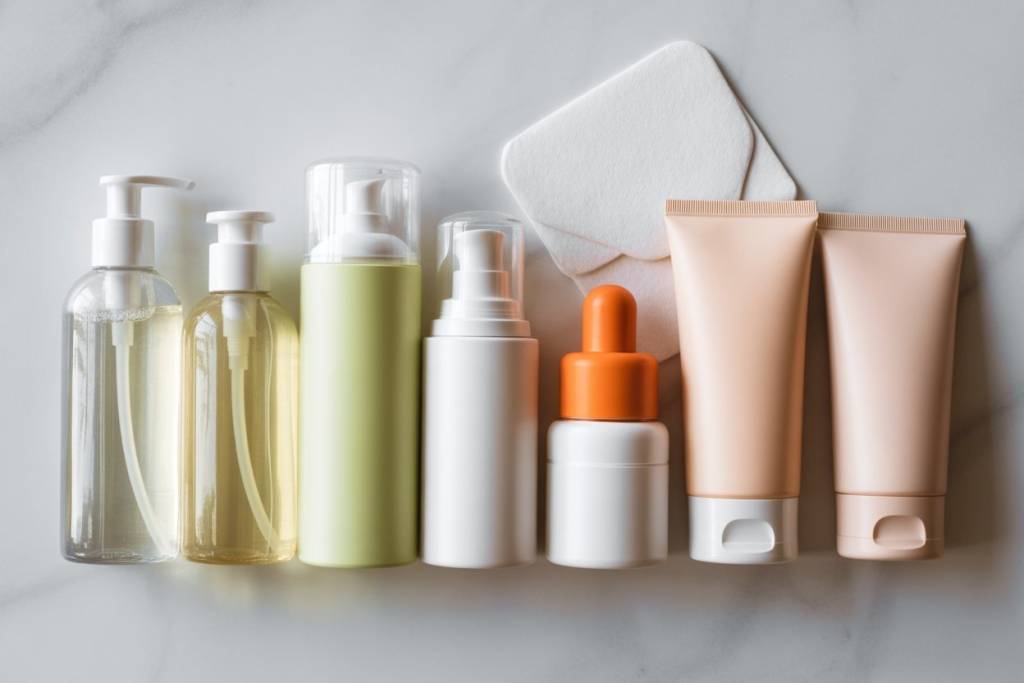
Building a Morning to Evening Oil Control Routine
A beneficial routine promotes balance without overloading the skin.
Morning Routine:
- Gently cleanse to remove overnight oil
- Apply light hydration
- Apply oil-regulating ingredients
- Finish with non-greasy sun protection
Midday Routine:
- Blot away excess oil instead of applying powder multiple times
- No skin touching or rubbing
Evening routine:
- Double cleanse your face if wearing make-up and/or SPF
- Exfoliate your skin gently 2-3 times per week
- Apply specific treatments
- Hydrate sufficiently to help maintain skin barrier function
Routine consistency is better than frequently rotating products.
Common Mistakes That Worsen Evening Shine
Overcorrection for oiliness can cause more issues. Some common mistakes are:
- Over-exfoliating on a daily basis
- Using toners that contain high amounts of alcohol
- Not using moisturizer at all
- Applying thick creams in the daytime
- Switching skincare products too often
The barrier might lead to your skin overproducing oil in order to protect itself. It’s a process to get that balance back.
When to Seek Professional Support
If the oiliness has cystic outbreaks which are painful, inflamed, it would be beneficial to have the cause examined by a dermatologist to investigate for any other internal cause, of a hormonal or medical nature, ensuring that you are dealing with the primary problem, and not just the symptom.
Sometimes dry skin may be caused by hormonal fluctuations, polycystic ovaries, a thyroid disorder, or chronic stress. A dermatologist can diagnose the cause of your oil-free skin, or whether a topical medicine, oral medication or hormonal tests are needed. They can also help simplify an over-complicated regime that is causing your dry skin.
The appearance of redness, nodules or acne that is resulting in scarring must not be ignored as early treatment is key and permanent pigmentation may be of concern for skin health in years to come. Chemical exfoliation, retinoids or light therapy can be prescribed by your dermatologist according to your skin type. Asking for assistance in the care of your skin does not mean you are not in charge of its welfare; it means you are.
Conclusion
Evening oiliness is usually not by accident. There are many factors involved like chronobiology, environmental factors, daily habits, and even your individual physiological state. Controlling the late day oiliness by establishing an appropriate daily skin care routine with proper cleansing, light moisturization and oil control is very simple and it does not require much effort from your side. Simply keep up the cleaning ritual, maintain the barrier of your skin, maintain a good lifestyle. Use blemish spot treatments for those pesky pimples if they suddenly appear despite precautions.
FAQs
- My skin is more oily in the morning than at night. Why?
There will be a rise in the production of oil in order to defend your skin from impurities, fatigue and heat.
- If I do not use a moisturizer will my oily skin not become less oily?
Without it, too much oil is produced by the skin which needs moisture to function.
- What frequency per week can I exfoliate my oily skin?
The frequency is twice to three times a week so as not to stimulate too much oil production.
- Is the quantity of oil on my skin related to the food that I eat?
Low-glycemic index food and the stress that one lives are in fact two factors that can lead to excess sebum production.
- Is it okay to use blotting sheets every day?
Blotting sheets do indeed merely absorb extra surface oil. You can use them as often as necessary.