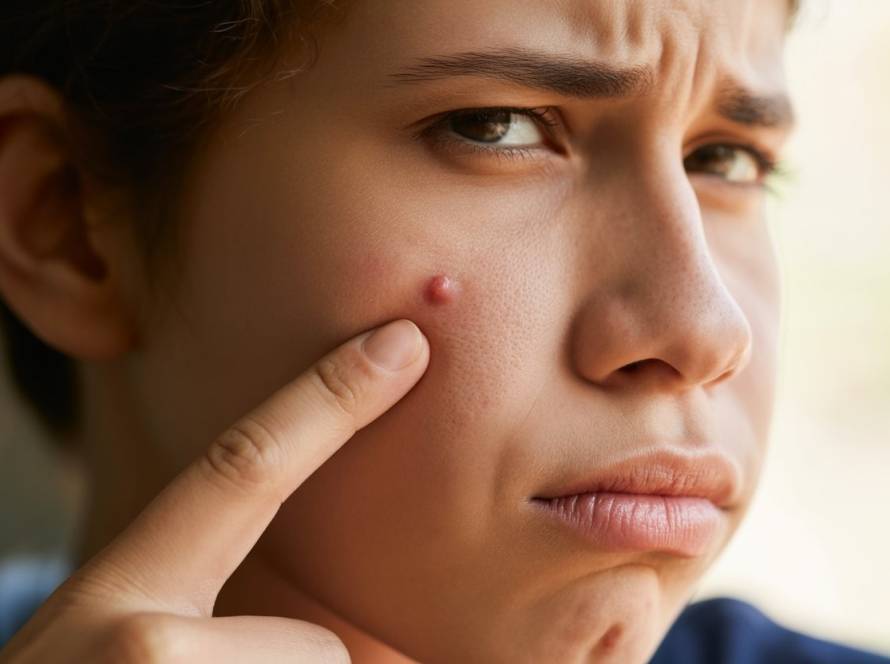
It’s honestly a running joke in the skincare community that as soon as the weather finally warms up, our faces have a massive tantrum. You spend all winter fighting dry skin, only to have March roll around and you’re fighting texture on your forehead and breakouts on your jaw. If you’ve been feeling personally victimized by the transition into spring, you aren’t imagining things. This “Spring Breakout Season” is a very real biological hurdle that most of us have to clear every single year.
The jump between February and April is probably the most chaotic time for your pores. Your skin is essentially trying to figure out how to function in 60% humidity after surviving months of 10% indoor heating. To keep things from spiraling, the best move is to simplify your routine and rely on a non comedogenic face wash that cleanses without tricking your skin into thinking it’s dry and needs to produce even more oil.
The Perfect Storm: Humidity and Winter Grit
The primary cause of March’s overwhelming impact on your complexion is attributed to old skin and new oil. The wintertime has colder temperatures; however, when the weather gets warmer and humid in March, the oil from our oily glands becomes a lot more prominent & increases in amount. The change from winter temperatures to warmer temperatures means our oil drying when we returned to warm temperatures naturally means that our oil will be trapped below our skin by the dry dead skin cells left from January which is the perfect environment for bacteria to cause active “blind” pimples that are grown from trapped oils that are stuck underneath the dry & dead skin cells.
This March, as your skin gets adjusted to the arrival of springtime, it will “trap” bacteria inside your skin as well as subject itself to an increase in the UV index based on temperature to increase exposure to damaging UV radiation based solely on the increase in temperature.
UV rays don’t just cause burns; they actually irritate the lining of your pores, causing them to narrow. When your pores narrow while your oil production is increasing, you get a bottleneck effect. This is exactly why a niacinamide zinc face serum is such a powerhouse this time of year. It helps manage that sudden oil surge while keeping the pore walls calm and less likely to collapse and clog.
The Pollen Pimples Are Real
If you have any type of allergies, the likelihood is that you currently have itchy eyes and a constantly running nose. However, pollen also acts as a large irritant to the surface of skin. These tiny, jagged particles land on your face and get stuck in your natural oils. When someone has tender/sensitive skin, they may trigger an inflammatory response in their body and cause a “red alert” from an external factor which can cause the body to have an increased level of inflammation.
This inflammatory response disrupts the body’s natural defense mechanisms to ward off acne causing bacteria. As a result, people can develop small, irritated red lesions on their face such as on their cheeks or forehead that may appear different than other problems they have had previously; this is also a normal reaction for people who have sensitive skin and live in an area that is experiencing higher amounts of pollen than usual. It’s not always traditional acne; sometimes it’s “allergic-acne” where the inflammation itself is the primary driver of the bump.
Sweat, Sunscreen, and the Spring Pivot
As soon as the sun comes out, we’re all more active. Since we are out walking longer and hiking more, we are sweating more. Sweat, however, in itself is not bad, but when you add in dust and pollution. When you mix that with a heavy, thick winter moisturizer or a sunscreen that’s been sitting in your cabinet since last July, you’re basically creating a waterproof seal over your pores.
This is a major reason for the “lower face” breakouts many people see in April. With sweat, moisture, and heavier skincare products, the chin and jaw area is a breeding ground for congestion. If you’re finding yourself fighting a never-ending battle of clusters of bumps in this region, you’re probably in need of a chin acne treatment to help dry out the area before it becomes a full-blown cystic eruption.
By the Numbers: The Spring Skin Shift
It’s helpful to look at the actual numbers of how much the environment is changing in such a short period of time. Your skin is trying to keep up with a world that is changing beneath its feet. When you take a look at the numbers, it’s a miracle that we’re all not breaking out on a constant basis.
| Factor | Late Winter | Mid-Spring (March/April) | Why Your Skin Cares |
| Humidity | Very Low (Dry) | High (Moisture) | Triggers a 40% jump in oil production |
| UV Exposure | Minimal | Moderate to High | Thickens the skin, trapping oil inside |
| Pollen Level | Dormant | Peak Bloom | Increases surface inflammation by 2x |
| Skin Barrier | Brittle/Flaky | Reactive/Sensitive | Makes skin prone to bacterial infection |
| Daily Sweat | Low | Increasing | Traps dirt and old makeup in the pores |
A peer-reviewed study on seasonal skin changes shows that our skin’s lipid barrier is actually at its weakest during these transition months. In spite of how oily your skin may feel, during the winter months, it’s much more vulnerable to bacteria because it is not fair to say it has become oily (and therefore has become less protected). This “Weak but Oily” skin condition creates an environment for acne to rapidly increase in frequency in the spring. This happens because your skin barrier is fully functional and without any damage, and at the same time, your oily skin will be producing more oil than ever! (Source)
The Internal Spring Cleaning
We can’t just blame the weather. Our bodies go through a massive shift in March as the days get longer. The change in light affects our circadian rhythm, which in turn messes with our cortisol levels. Cortisol is the stress hormone, and it has a direct “on” switch for your oil glands. As your body adjusts to the new season, your hormones are often fluctuating in the background, showing up on your face as “hormonal” acne around the mouth and jaw.
Even our sleep quality can take a hit during the spring transition. As the sun peaks sooner now compared to other times, the production of melatonin within your body could be slightly delayed. You experience a lack of good quality, refreshing sleep which contributes towards less than radiant looking skin and a greater vulnerability to new blemishes forming. Your skin does its best repair work at night, and if that cycle is interrupted by the changing seasons, you’ll see it in the mirror by morning.
How to Fix Your Routine for April

The biggest mistake people make in the spring is “over-correcting.” When they see oil, they scrub. When they see a breakout, they blast it with harsh chemicals. This usually backfires because your skin is already stressed out from the pollen and the sun. If you strip away all your natural oils, your skin will panic and produce twice as much as it did before.
Instead of attacking your skin, try these three pivots:
- Swap the Heavy Cream: Move away from the thick balms and grab a fragrance free moisturizer. You will want to maintain a strong barrier, but with Spring comes the end of needing the heavy oils that were needed in January.
- Double Cleanse: If you’re wearing sunscreen or spending time outdoors, make sure you’re getting all that pollen and pollution off at the end of the day. One wash usually just doesn’t do it for getting rid of all the “grime” you may have picked up while out in the sun on a Spring day.
- Use Smart Spot Treatments: The salicylic acid acne patch should be used instead of picking because picking results in scars that become more visible during spring when UV radiation increases. The active ingredients will do their thing while keeping everything surrounding it clean from environmental trash.
Conclusion
The “Spring Breakout Season” might be an exercise in patience, but you can break that cycle; your skin doesn’t have a problem, just that it is attempting to adjust itself to a very humid, “pollen-ridden,” environment. You can solve your skin care issues by removing heavy winter clothing and applying lightweight, soothing products. The proper daily use of clean non-comedogenic cleansers will enable your skin to achieve its natural balance because your sebaceous glands will operate normally before summer begins. Spring is a season of renewal which allows you to achieve a fresh start for your skin through persistent effort combined with appropriate methods.
FAQs
Why did I suddenly get acne in March?
It’s mostly the humidity. Your skin produces excess oil because of humid conditions while your skin remains blocked by dead skin cells which accumulated during the dry winter period.
Do seasonal allergies make acne worse?
Seasonal allergies result in greater acne problems for affected individuals. The allergy condition leads to bodywide inflammation which increases your skin’s sensitivity to environmental factors.
Is it acceptable to use my winter moisturizer during the springtime period?
Your skin will need different treatment because you experience breakouts. Winter moisturizers create “occlusive” properties which develop a protective barrier that prevents skin moisture from escaping.
What impact does the April sun have on my acne breakouts?
UV rays create Solar comedones which are skin conditions that result from sun exposure. The sun dries out the surface and creates skin thickening effects which prevent natural oil from leaving the pores.
Is it necessary for me to increase my face washing routine because of pollen exposure?
You don’t need to increase your washing frequency but you must clean your face more effectively during nighttime. You need to remove all pollen dust and particulate matter that has built up during the day.