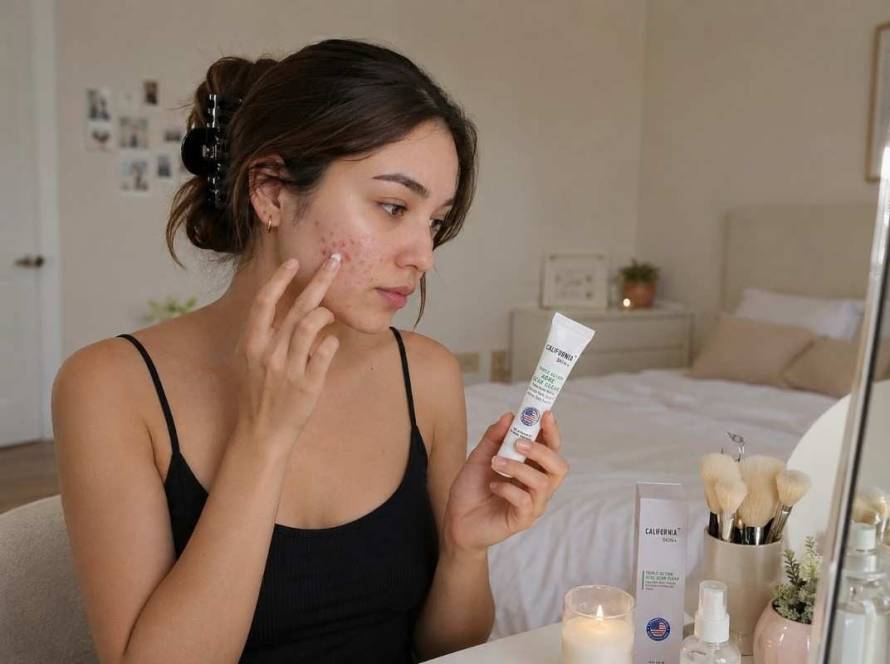
Acne is not just a case of having a few pimples. One may feel that acne has a negative influence on one’s appearance. Although acne may have negative implications primarily among teenagers, it may surprisingly have a way of affecting adults, especially after having survived the terrible teenage years in the first place. Needless to say, in some cases, acne may “come back, again and again, despite all the creams that have been its hardest victims.”
Among those groups, however, a difference is identified in the causes. The acne form experienced by teenagers involves hormone change, while that of adults normally involves a combination of hormone change, stress, lifestyle issues, and in some cases, some form of medical complication.
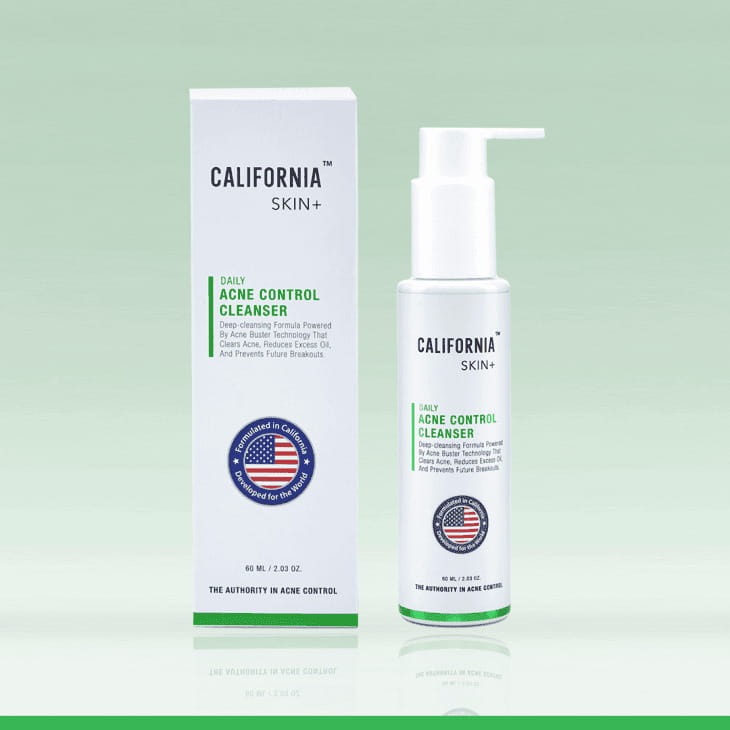
The concept of understanding these differences is very simple: as soon as you realize why acne happens and what it does at different stages of human life, it is probably with consideration of this principle and others like it that the best steps are taken towards healthy skin at any given time. Starting with a non-comedogenic cleaner is probably going to make a world of difference when combined with specific types of treatment designed to work with and eliminate breakouts.
Understanding Acne
Acne can thus be described as a disorder of the skin which results from a plugging of the hair follicles by oil, dead skin cells, and bacteria. Thus, in brief, when a person has acquired this type of disorder, their skin reacts to this problem by becoming inflamed. Acne can thus be described as a point in which the hair follicles on a given face become filled with oil, dead skin cells, and bacteria, thereby becoming inflamed and forming a “zit.” Although this might sound quite easy to grasp from a basic point of view, in reality, this is quite far from being true as a result of complexity in nature.
There are several kinds of acne. For example, blackheads develop when a pore is partially blocked and exposed to the atmosphere. There is a resulting black spot. For whiteheads, there is blockage of the pores, and they don’t get exposed. Another type of acne is a pimple, or a papule. This is an inflamed bump. In some instances, there is a cyst. This is a painful bump filled with pus and has a higher possibility of scarring.
While it is true that acne prevalence is greatest during teenage years owing to increased hormones in the body, it should be said that the condition disappears as we age. Indeed, there is an increasing prevalence of acne among adults usually caused by stress and lifestyle. For one to start effectively dealing with their condition whether it is teenage or adult acne, it is important first to know all about acne and how it forms.
2. Causes of Acne
2.1 Acne in Teens
Acnes among teens do not just affect the looks of the affected individual, it’s become part of the rite of passage for every teen. The minute the hormone of puberty starts to dominate the body of the teen, the body begins to go on hormone roller coasters.
The hormones increase the production of the body’s oil, and the more oils the body produces, the more acne the individual develops. For these reasons, it is believed that approximately up to 85% of the teen population develops acne during their teen days.
Yet hormones are only half of this picture. Lifestyle contributes to this issue to some extent as well stress from school or a test can cause a rise in oil production, a lack of sleep can delay skin regeneration, and consuming a diet rich in sugar or milk can cause problems in some individuals’ skin. Skin problems in teenagers occur primarily due to a series of blunders in skincare regimens: inappropriately rough exfoliating methods, washing excessively, or using a different skincare product every day to cause a rise in oil production and irritation in the skin.
2.2 Acne in Teens
The reality of adult acne is this: adult acne is real, surprisingly common, and to some extent misunderstood. While an adult’s perception of an adolescent’s pimple-filled face may be ‘well, at least you are not in middle school or college,’ in reality, researchers have proven that adult-onset acne not only exists, it often begins for the first time in adulthood. According to study findings, over 70% of adults over the age of 20 reported having suffered from adult-onset acne at some time in their life; in this group of adult women, men were not higher in numbers.
Source: ncbi
Fluctuations in hormones, a primary factor, also must be taken into consideration. During the menstrual cycle, pregnancy, menopause, and the occurrence of diseases like PCOS, breakouts can happen years after puberty as the hormones fluctuate. Consequently, more oil is produced, mainly in the jawline region.
Other factors that could contribute to or worsen adult acne have been proposed to include working stress, sleep deprivation, and environmental influences such as pollution.
Acne cases differ between adults and teens; adult acne is usually more serious, cystic, and more resistant to treatments. On one hand, teens face acne resulting from different cosmetic and heavy cream usage, and hormonal levels affected by their medications, including contraceptives and steroids.
3. Key Differences Between Teen and Adult Acne
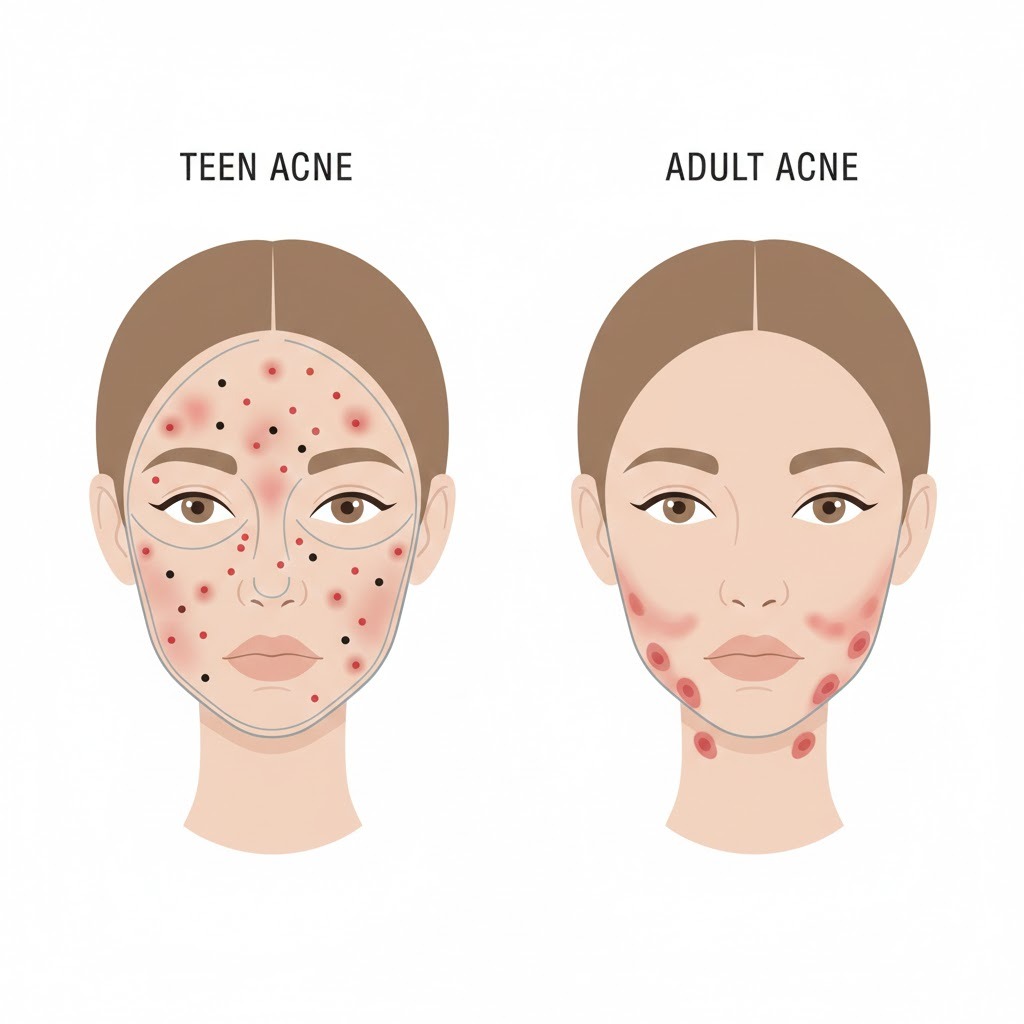
Acne occurs differently in different people at different ages. Knowing the differences in adult acne from teen acne can guide you in choosing the best care routine for acne treatment. Here’s a clear comparison:
| Feature | Teen Acne | Adult Acne |
| Age of Onset | 12–19 years | 20 years and above |
| Common Locations | Forehead, nose, cheeks | Jawline, chin, lower cheeks; sometimes back or chest |
| Lesion Types | Blackheads, whiteheads, inflamed pimples | Deep cysts, nodules, persistent pimples |
| Triggers | Hormonal surges, stress, diet, skincare mistakes | Hormonal fluctuations, stress, lifestyle, cosmetics, medications |
| Scarring Risk | Moderate if untreated or picked | Higher, due to deeper inflammation and longer-lasting breakouts |
Such differences are not superficial since they also affect the way one treats the acne that is manifested. A case of teenage acne, for instance, is usually effectively managed through the use of gentle cleansers and a change of lifestyle. Acne presenting in adults is usually better managed through a combination of various medications used to deal with adult acne, such as hormone therapy, as well as a moisturizing agent that is noncomedogenic.
Keeping these differences in mind will not only avoid the risk of irritation and scars but will also give you clearer skin in the shortest span of time. Whether you are dealing with teenage acne or adult breakouts of zits and pimples, the key to better skin has to start with identifying the differences between teen vs adult acne.
4. Skincare Tips and Treatment Approaches
4.1 For Teens
- The application of a mild non-comedogenic cleanser can remove the dirt and the oil from the skin.
- Keeping your skin hydrated with a light moisturizer is important, even if you have an oily complexion.
- Spot treatment with salicylic acid or benzoyl peroxide should be limited to affected areas only.
- Use products on a consistent basis over several weeks instead of switching from one product to another constantly.
- Try to refrain from popping pimples to avoid scarring and infections.
- Pay attention to your lifestyle, eating a well-balanced diet, sleeping sufficiently, and managing your stress appropriately.
- Acne products marketed towards teenagers can also be used. They are usually gentle on the skin.
- Routine-keeping should be simple and straightforward, as simple as possible.
4.2 For Adults
- Determine the causes of acne, which may include hormonal, stress, or cosmetic factors.
- It is recommended to use comedogenic-free moisturizing and skincare products.
- Look into treatments that target the affected areas with a topical retinoid, an antibiotic, or a stronger-over-the-counter spot treatment
- Lifestyle improvements may include managing stress levels, eating healthy, and sleeping well.
- Avoid heavy makeup and pore-clogging skin care products.
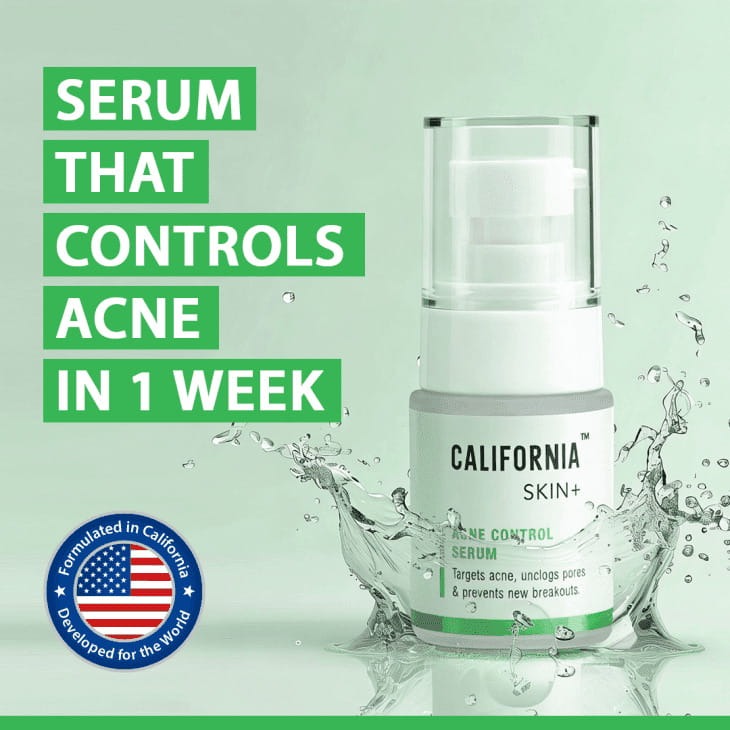
For targeted relief from stubborn breakouts, consider incorporating the California Skin+ Acne Control Serum into your routine to help calm inflammation and prevent new pimples.
5. The Role of Hormones in Acne
Another major factor which causes both teen and adult acne is hormones. During teens, androgen production increases in the body due to puberty, and it leads to increased oil production in the sebaceous glands, which in turn causes breakouts because of the combination with dead skin and bacteria.
In adults, hormonal acne occurs on the jawline, on the chin, and on the lower cheekbones. These triggers include:
- Menstrual cycles
- Pregnancy
- Menopause
- PCOS
Unlike other forms of pimples, hormonal pimples tend to be deeper, more cystic, and recurrent, appearing in cycles.
Females with an unscientific menstrual cycle, sudden flare-ups, or PCOS are encouraged to visit a skin care practitioner to deal with the hormonal instability. This will give us an idea of how hormonal factors can be considered in order to select the most appropriate treatment option; it can vary from teen acne solutions during puberty to adult solutions dealing with adult hormonal imbalances.
6. Conclusion
Indeed, acne appears to affect both teens and adults, but it should always be kept in mind that while the causes and forms of the two may be similar, their treatments may be quite distinct. Of course, while teen acne is to some extent dependent upon changes in their hormonal formulations during puberty, adult acne is influenced by the interplay of multiple factors such as hormones, lifestyle issues, and stressors. Good news is that it is treatable for both teens and adults with the right approach!
Be it the teenage breakouts or the acne that refuses to leave with age, the knowledge and the products that are chosen can actually help. There are cleansers and treatments that are specifically designed to aid in the prevention of acne, and the final solution is just a doctor away.
Frequently Asked Questions (FAQs)
1. What causes acne in teenagers?
Teen acne is mainly driven by hormonal surges during puberty, which increase oil production in the skin. Other factors include stress, diet, poor sleep, and improper skincare routines.
2. Why does adult acne appear after the teen years?
Adult acne can be triggered by hormonal fluctuations (menstrual cycles, pregnancy, menopause, PCOS), stress, lifestyle factors, certain medications, and cosmetic products.
3. How can I prevent acne from scarring?
Avoid picking or squeezing pimples, use gentle skincare products, and apply targeted treatments early. For severe acne, consult a dermatologist to prevent long-term scarring.
4. Which is the best acne serum for daily use?
The best acne serum is one that targets breakouts without irritating the skin. A lightweight option like the California Skin+ Acne Control Serum works well for daily use because it treats acne while staying gentle on the skin barrier.
5. What’s the difference between teen acne and adult acne?
Teen acne is usually mild to moderate, affects the T-zone, and is driven primarily by puberty hormones. Adult acne is often deeper, cystic, appears around the jawline or chin, and is influenced by hormonal fluctuations and lifestyle factors.
6. Can lifestyle changes help manage acne?
Absolutely. Maintaining a balanced diet, managing stress, getting adequate sleep, and avoiding pore-clogging products all help reduce the frequency and severity of breakouts.
7. Is California Skin+ suitable for acne-prone skin?
Yes. California Skin+ is suitable for acne-prone skin because it’s formulated to target breakouts without clogging pores or irritating the skin.